DbcultAccessing Vault...
7.5/10
Senior Film Conservator
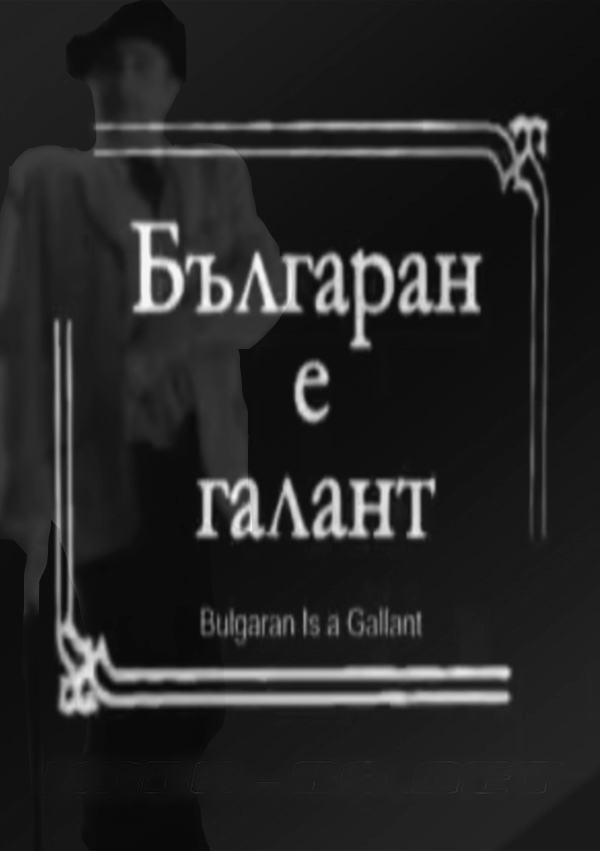
A definitive 7.5/10 rating for a film that redefined the boundaries of cult cinema. Balgaran e galant remains a cornerstone of transgressive art.
Sofia, 1917: cobblestones slick with drizzle, shop-fronts lacquered like sarcophagi, and a man who believes charm is legal tender. Vassil Gendov’s one-reel jape lands like a thrown glove at the feet of every self-declared gallant.
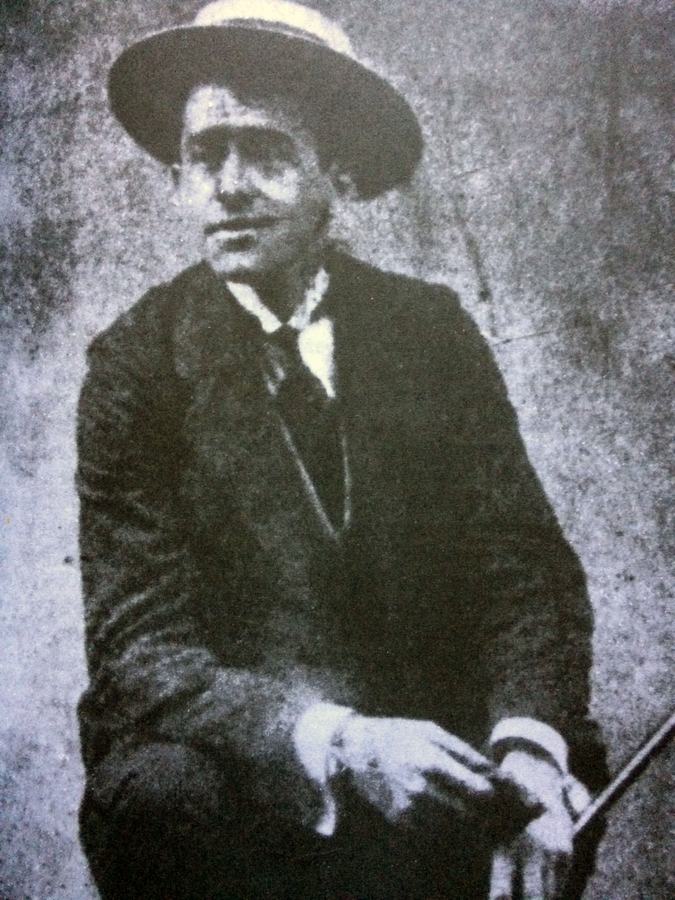
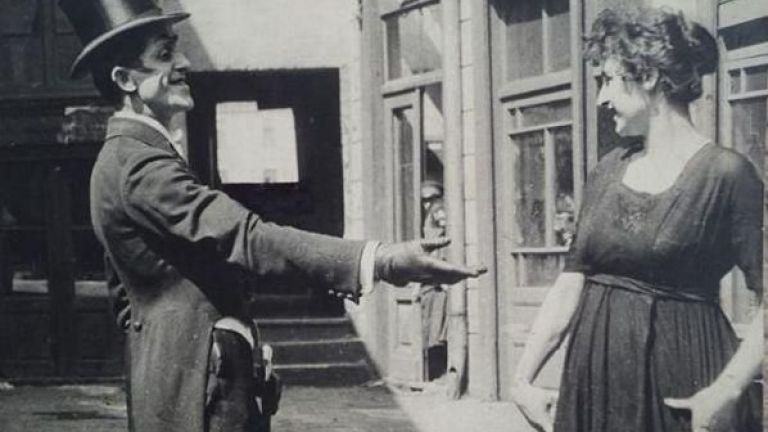
The film’s architecture is flimsy—three interiors, one boulevard, a restaurant gilded to the point of gaud—but its moral scaffolding is ironclad. Notice how Gendov the writer seeds every glance with future comeuppance: when the Bulgar tips his hat, the brim bisects the frame like a guillotine. The girl, played by Mara Miyateva-Lipina with eyes sharp enough to core apples, never once hurries; she lets the market’s metronomic haggling dictate tempo while our hero’s swagger slows to a funeral march.
Cinematographer Anton Delbelo tilts mirrors so that shop-windows become confessionals: we watch the Bulgar watch himself, narcissus with a thinning purse. Each reflection is fractionally delayed, creating a stutter of conscience he never heeds. The camera itself seems to shrug.
Inside the restaurant, gilt rococo wrestles with Bulgar art-nouveau; the clash is intentional. Over caviar blinis that glisten like miniature oil-slicks, the woman orders a nectar of insult—a yellow cocktail the exact shade of future humiliation. The waiter, Vassil Gendov cameoing as a mummified maître d’, serves with the reverence of a priest administering last rites. Notice the cut: from wide shot to extreme close-up of the Bulgar’s Adam’s apple bobbing over the bill, a spasmodic ledger of mounting debt.
Sound is absent yet sonically evocative: the clatter of unseen cutlery becomes a drumroll; the pop of a cork signals not celebration but execution. Gendov understood that in silent cinema the audience becomes foley artist, each viewer supplying the imagined thwack of wallet veins being severed.
Compare the power inversion to Dzieje grzechu where Stanisława Podgórska’s sinner is punished by society; here society is complicit in the swindle. The woman weaponises expectation: the expectation that a man bankrolls flirtation, that a wife obeys, that a husband remains oblivious. When the spouse (Metodi Stanoev, all waxed moustache and predatory amicability) appears, the frame trifurcates—wife, husband, porter—each locked in a daisy-chain of transactional glances. The cab they hail is not escape but triumphal chariot.
Yet the film refuses a facile “battle of sexes” tag. The Bulgar is no martyr; he is a broker of ego, trading compliments for hypothetical conquest. His comeuppance feels less moral than karmic bookkeeping.
Look closer at the parcels: Persian silks, Bohemian crystal, a Japanese parasol. The woman’s shopping spree is a miniature empire drained of its spoils. The Bulgar, standing in for a national masculinity still bruised after the Balkan Wars, becomes porter to colonial plunder. The coin tipped at the end is not merely insult; it is the residue of imperial transaction, a petty-cash indemnity for historic humiliation.
This reading finds traction when one learns the film premiered in the same month Bulgaria declared war on the Central Powers. Audiences in 1917 would have seen the Bulgar’s stunned silhouette and read their own geopolitical abandonment.
Where The Dancer and the King waltzes through palace corridors rescuing its protagonist from disgrace, Balgaran e galant strands its hero amid cardboard boxes, a sadder Sisyphus. The gold-digger schema resurfaces in The Spoilers yet that narrative grants the roué a shotgun-toting redemption; Gendov offers only the echo of a coin against pavement.
Meanwhile Lime Kiln Club Field Day shares this film’s ethnographic curiosity, but where Black joy is surveilled by white onlookers, here masculine pride is surveilled by feminine strategy. Both are cinema of predation, only the prey differs.
Miyateva-Lipina operates within the grammar of calculated languor. Watch her fingers drum against a champagne flute—one-two-three—each tap a stanza in a contract the Bulgar cannot read. She never arches a brow; instead the whole face drifts into amused neutrality, a mask that keeps options open.
Opposite her, Todor Stamboliev’s Bulgar disintegrates in real time. By the final tableau his shoulders curve like parentheses enclosing an absence. The micro-gesture of looking at the coin—first bewildered, then incredulous, then hollow—lasts maybe three seconds yet contains the entire emotional arc of Edwardian gentility collapsing into modernist absurdity.
Restored prints tint market sequences amber, restaurant scenes jade, exteriors cobalt. The chromatic rhetoric is: innocence curdles into avarice, then petrifies into melancholy. The final shot—Bulgar alone, streetlamps flickering like faulty memories—bleeds into indigo, a bruise that refuses to heal.
Viewers today might call it incel-fuel; cinephiles will recognise a hinge between Méliès’ carnival and Buñuel’s scorpion of etiquette. Gendov anticipates both: he knows farce is merely tragedy stripped of funeral music.
Does twenty minutes merit canonical status? Yes, if those twenty minutes compress the entire twentieth-century gender wars into a single purse-string pulled tight. Yes, if you savour satire that bites without moral grandstanding. And yes, if you believe cinema’s duty is not to console but to expose the moment when gallantry morphs into ledger.
Essential for devotees of The Road to the Dawn or Maria Magdalena—films that likewise traffic in luminous despair. Everyone else: watch it twice; the first for the joke, the second for the scar.

IMDb 6.6
1923
Community
Log in to comment.