DbcultAccessing Vault...
4.6/10
Senior Film Conservator
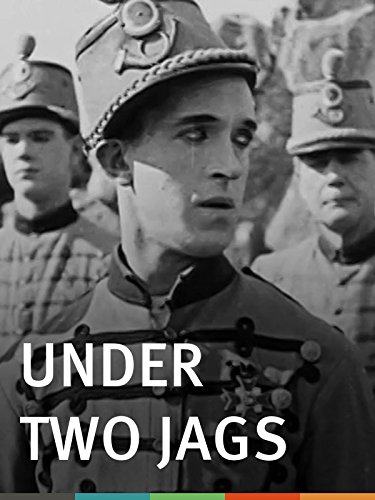
A definitive 4.6/10 rating for a film that redefined the boundaries of cult cinema. Under Two Jags remains a cornerstone of transgressive art.
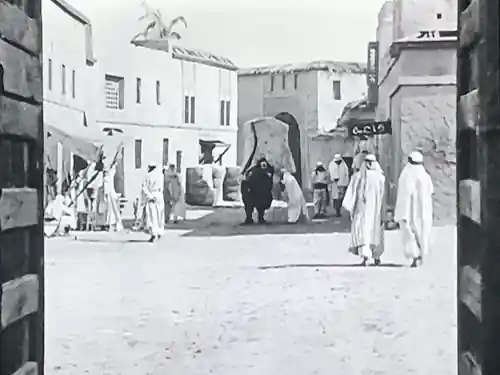
When the 1920s silent era reached its zenith, filmmakers delighted in transplanting familiar comic archetypes into exotic locales. Under Two Jags epitomises this trend, thrusting Stan Laurel’s iconic tramp into an Arabian desert that feels both fantastical and deliberately anachronistic. The mise‑en‑scene brims with sun‑bleached dunes, fluttering pennants, and a cavalcade of costumed extras whose attire borrows liberally from Orientalist stock imagery. This visual palette, while dated by contemporary standards, serves a purpose: it amplifies the absurdity of a British‑style vagrant stumbling through a world where every gesture is amplified by the heat and the cultural distance.
\nLaurel’s tramp, a figure usually associated with London’s foggy streets, becomes a wandering nomad in this film. His tattered coat, oversized shoes, and perpetually bewildered expression remain unchanged, creating a striking visual dissonance. The audience instantly recognises the character, yet the surrounding world refuses to accommodate him. This tension fuels the comedy: every attempt at integration is met with a new layer of misinterpretation, whether it be a mis‑aimed rifle or a mis‑read desert etiquette.

The inciting incident—British soldiers rounding up the tramp—provides a structural backbone for the film’s episodic gags. Laurel’s character is thrust into a regimented environment that thrives on precision, a stark contrast to his improvisational survival tactics. The ensuing series of blunders—dropping a cannonball, tripping over a sandbag, and accidentally firing a pistol into a ceremonial flag—are choreographed with a kinetic energy reminiscent of Buster Keaton’s physicality, yet filtered through Laurel’s softer, more whimsical sensibility.
\nMae Laurel, cast as the desert belle, offers a subtle counterpoint to Stan’s chaos. Her reactions oscillate between bemused tolerance and exasperated disbelief, providing a grounding emotional anchor. Though her screen time is limited, each glance she directs at Laurel’s antics carries narrative weight, hinting at a potential romance that never fully blossoms due to the film’s brevity.
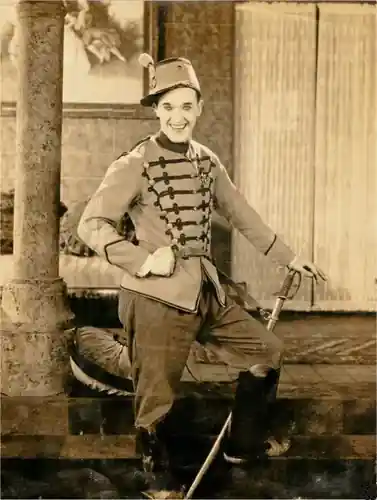
The supporting soldiers—portrayed by George Rowe, Eddie Baker, and Charles Stevenson—function as both authority figures and comedic foils. Their exaggerated salutes and over‑the‑top discipline create a caricature of colonial military presence, allowing the film to lampoon both the British army’s rigidity and the Western fascination with the “exotic East.”
\nLaurel’s mastery of timing shines in sequences where he attempts to mount a camel, only for the animal to lurch forward, sending him sprawling into a pile of sand‑laden crates. The camera lingers just long enough to let the audience savor the moment before cutting to a close‑up of Laurel’s bewildered eyes, a technique that underscores his trademark blend of panic and innocence.
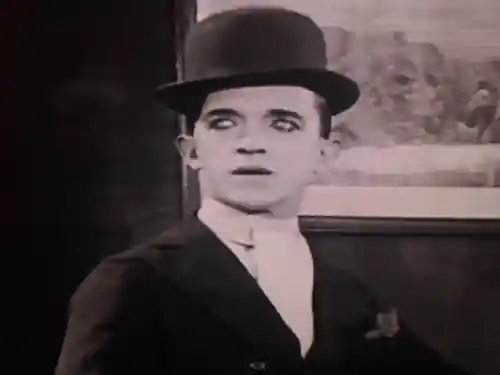
Beyond its surface slap‑stick, Under Two Jags subtly interrogates the notion of “otherness.” The tramp, an outsider by definition, is further alienated by the cultural and military structures that surround him. His inability to conform becomes a silent critique of colonial authority: the British soldiers, despite their confidence, are equally baffled by the desert’s unpredictability.
\nThe film’s title itself—an absurd play on “under two jags” (a colloquialism for being under the influence of alcohol)—suggests a state of disorientation, mirroring the protagonist’s perpetual confusion. This linguistic joke, while lost on non‑English audiences, adds an extra layer of wit for contemporary viewers.

Fans of Laurel’s later collaborations with Oliver Hardy may recognise thematic threads that echo in Easy Pickin', where a hapless protagonist navigates a similarly chaotic environment. Likewise, the desert setting invites comparison to the more dramatic The Cheat, though the latter employs melodrama rather than comedy. These intertextual nods enrich the viewing experience, positioning Under Two Jags within a broader silent‑era tapestry.
\nThe film’s visual composition relies heavily on wide‑angle shots that capture the expansive desert horizon, juxtaposed with tight close‑ups of Laurel’s expressive face. The contrast between the stark, sun‑bleached landscape and the dark silhouettes of the soldiers creates a chiaroscuro effect that heightens the comedic stakes. Intertitles, rendered in a bold serif typeface, punctuate the action with succinct, witty commentary, preserving narrative flow without detracting from the visual humor.
While the film itself is monochrome, the modern presentation of this review employs a palette that mirrors the desert’s warmth and the military’s cool discipline: dark orange (#C2410C) for headings, yellow (#EAB308) for sub‑headings, and sea blue (#0E7490) for hyperlinks. This chromatic scheme pays homage to the film’s tonal dualities—heat versus order, chaos versus control.
\nAlthough Under Two Jags remains a relatively obscure entry in Laurel’s oeuvre, its experimental placement of a familiar comic figure in an unfamiliar setting prefigures later ventures by other comedians, such as Charlie Chaplin’s The Heart of a Hero, which also juxtaposes a tramp against a militaristic backdrop. The film’s willingness to blend cultural satire with slap‑stick foreshadows the genre‑bending works of the 1930s, where comedians routinely navigated foreign landscapes to elicit humor.
\nPreservationists have lauded the short for its relatively intact nitrate print, allowing modern audiences to experience the original frame rate and intertitle timing. Film scholars cite it as a case study in early cross‑cultural comedy, noting how the desert setting functions less as a genuine representation of Arabian life and more as a canvas for Western comedic imagination.
\nContemporary comedians who employ “fish‑out‑of‑water” scenarios—think of modern sketches where a city dweller is thrust into a rural farm—can trace a lineage back to shorts like Under Two Jags. The essential formula—an outsider’s earnest attempts to fit in, constantly thwarted by cultural misinterpretations—remains a fertile ground for humor.
\nIn sum, Under Two Jags delivers a compact yet richly textured comedy that leverages visual contrast, physical dexterity, and subtle social commentary. Its brevity—typical of the era’s two‑reel format—does not diminish its impact; rather, it concentrates the humor, ensuring each gag lands with precision. For aficionados of silent cinema, the film offers a delightful glimpse into Stan Laurel’s developmental phase, prior to his legendary partnership with Oliver Hardy. For scholars, it presents a nuanced artifact that reflects early Hollywood’s fascination with exoticism and the enduring appeal of the underdog.
\nWhether viewed as a historical curiosity or as a timeless comedy, Under Two Jags stands as a testament to the universality of physical humor and the enduring charm of a tramp who, despite being perpetually out of place, never ceases to elicit laughter.
IMDb —
1935
Community
Log in to comment.