DbcultAccessing Vault...
Cult Review
Senior Film Conservator
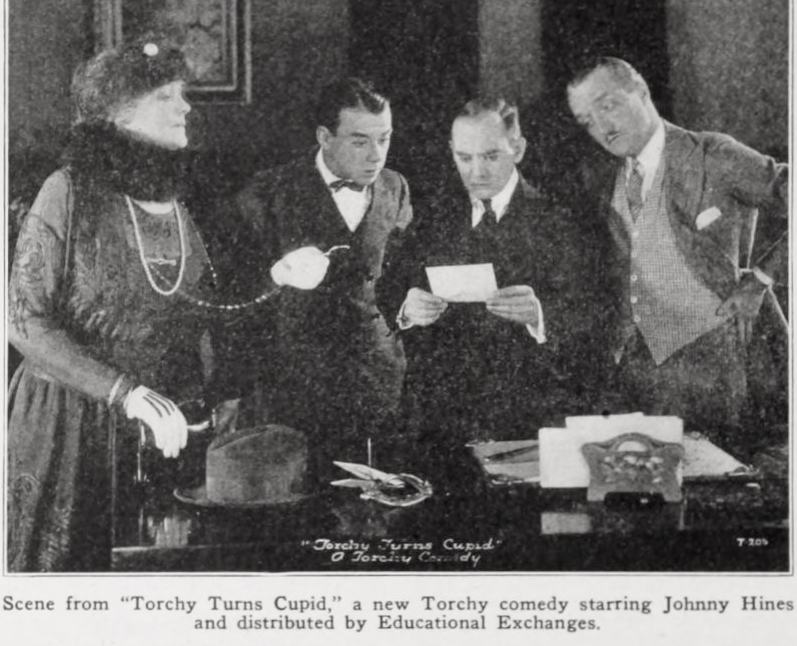
Picture the early-1930 cinematic skyline: sound still squeaks, gangsters still sprawl in tuxedos, and audiences are drunk on the novelty of hearing stolen diamonds clink. Into this brittle glamour parachutes Torchy Turns Cupid, a wafer-thin yet deceptively intoxicating bauble that Universal lobbed between heavier crime opuses. At barely an hour, the film pirouettes through drawing-room larceny with the feather-light cynicism that would, two years later, crystallize into The Thin Man. But where Nick and Nora sip martinis through matrimonial repartee, Torchy slings moonshine optimism and pratfall ethics, proving that screwball’s DNA was already mutating inside poverty-row quickies.
The plot, if one can corset such a frolic into summary, revolves around a wedding gift gone AWOL: a diamond bracelet that could bankroll a honeymoon in Biarritz but instead vanishes amid ribboned opulence. Cue the bride’s prodigal brother Horace, freshly paroled and radiating guilt like cheap cologne. Torchy—equal parts confidante and human firecracker—spirits him into ecclesiastical drag, recasting the ex-con as a prison chaplain because nothing screams innocence like a turned-around collar and a sermon on penitence. The ruse should collapse under its own absurdity, yet director William McGann keeps the tempo brisk enough that logic arrives breathless and disheveled, five reels too late.
Dorothy Leeds, all spit-curls and rapid-fire consonants, injects Torchy with the caffeinated spunk later refined by Joan Blondell and then weaponized by Rosalind Russell. Opposite her, Johnny Hines plays Horace with a hangdog elegance—part frightened squirrel, part reformed rake—his eyes telegraphing perpetual apology even when the script denies him full redemption. Their comic volleys snap like champagne bubbles; you wait for the fizz to flatten, yet the picture sustains effervescence until the final, sugary slice of wedding cake reveals the bracelet nestled inside like a caloric macguffin.
Visually, the movie clings to stage-bound mores—three walls and a chandelier—but McGann’s roaming camera glides through hallways, eavesdrops from behind potted palms, and occasionally tilts to catch the chandelier’s prismatic scatter across tuxedo studs. These flourishes anticipate the spatial playfulness An Adventure in Hearts would flaunt the following year. The monochrome photography drinks in whites so blinding they threaten to bloom, offset by the topaz glow of table candles that bathes jewels in illicit allure. Every object—gloves, cigarette cases, diamond clasps—gleams with fetishistic intensity, as though the film itself were a magpie hoarding reflections.
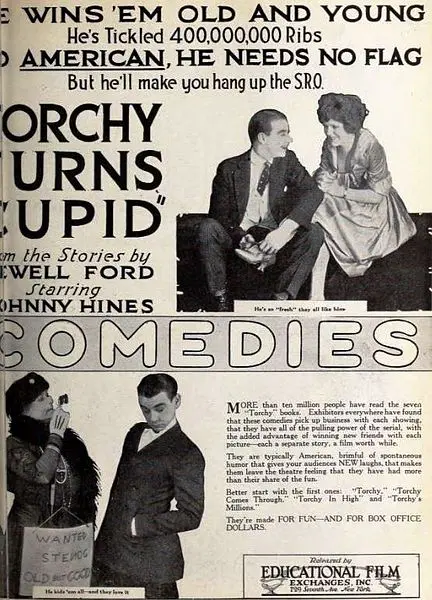
Sound design remains primitive yet playful: off-screen gossip ricochets like rifle fire; orchestral stingers punch each revelation; silence pools whenever Torchy contemplates another fib, amplifying the comedic tension. Dialogue crackles with pre-Code permissiveness—references to “chain-gang honeymoons” and “cell-block confessions” that would be excised once the Hays office brandished its scissors. The screenplay, adapted by Raymond L. Schrock from Sewell Ford’s breezy stories, is less a narrative than a relay race of euphemisms, each line sprinting past propriety.
What catapults Torchy Turns Cupid beyond its trappings is the brazen juxtaposition of the sacred and the profane. By recasting Horace as chaplain, the film flirts with sacrilege yet lands on a humanist punchline: forgiveness tailored from whole cloth beats none at all. In an era when prison pictures like The Fixer wallowed in systemic despair, Torchy’s universe posits that identity is merely costuming—swap a shirt, master a psalm, and presto: social rebirth. It’s a thesis screwball would ride clear through Body and Soul territory, but here it’s delivered with such speed that the ethical aftertaste arrives only once the credits vanish.
Gender dynamics, meanwhile, invert the damsel template. Torchy engineers salvation; men orbit, flustered. She stage-manages alibis with a stage-mother’s fervor, yet never relinquishes her own appetite for flirtation. The result feels proto-feminist without the lecture: agency wrapped in ruffled satin. Compare that to the passive heroines populating A Daughter of Eve, and you appreciate how radically the film tilts the axis.
Leeds’s vocal acrobatics deserve modern subtitles; she fires consonants like warning shots, yet shades quieter beats—those half-second pauses when Torchy weighs lie against lie—with flickers of conscience. Watch her eyes in the confession scene: they toggle between mirth and panic, a silent metronome keeping the moral rhythm. Hines’s reactive comedy complements her; his double-takes belong in a master-class on silent-to-sound transition. Together they achieve what contemporary critics dubbed “the syncopated waltz”—dialogue overlapping like jazz riffs, neither performer stepping on the other’s beat.
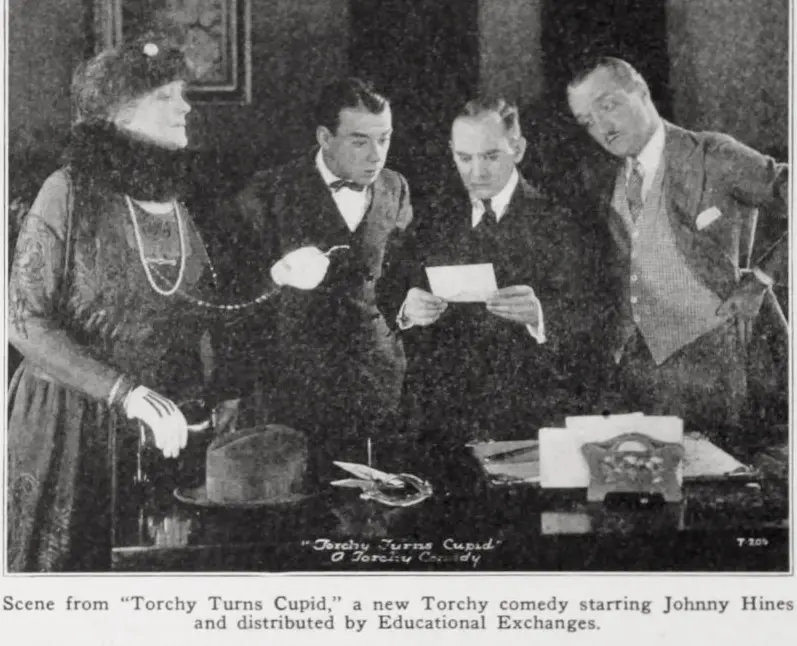
Supporting players relish stock roles—the gravel-voiced detective nursing a bromide habit, the society dame brandishing a lorgnette like a sabre—yet each adds a brushstroke of eccentricity. Note the butler who recites grocery lists as liturgy; he’s the punchline to a joke the script never verbalizes, emblematic of the film’s thrift-shop surrealism.
Six reels, sixty-two minutes: the movie behaves like a steeplechase pony that’s sighted the finish post. McGann trims exposition to vertebrae; we enter mid-toast and exit mid-embrace. Such velocity risks whiplash, yet it also forestalls the bloat hobbling later drawing-room mysteries like Doctor Nicholson and the Blue Diamond. The briskness camouflages coincidence; before you can mutter “plot hole,” another bon mot ricochets and you’re distracted. Contemporary exhibitors paired it with newsreels and animated “foolish fable” shorts; audiences treated the bill as a tonic for Depression-era nerves, proof that escapism need not bankrupt plausibility.
For decades the picture slumbered in 16mm classroom abridgments, mislabeled as Torchy’s Wedding. A 2019 4K restoration by Universal’s silent-slash-sound archival wing salvaged a near-complete 35mm fine-grain, revealing textures previously muddied: the glint of bracelet facets, the pin-stripe moiré on Horace borrowed shirt, the cigarette smoke curling like interrogative commas. Currently streaming on boutique services and circulated in 35mm repertory prints, the film begs for Blu-ray release. Criterion loyalists champion it as a supplement to their Lost in Transit box, citing thematic overlaps of mobility and identity.
Stack it beside the spiritualist hokum of The Pulse of Life or the alpine melodrama of Heidi, and Torchy Turns Cupid feels like a gin rickey gulped between sacramental wines. Its DNA echoes through Eternal Love’s masquerades and even shadows caper comedies like Somebody’s Baby. Yet its true progeny is the runaway-bride subgenre: the chaotic ceremony as crucible for class satire.
Is the film a masterpiece? Hardly. It’s a trinket—albeit one faceted with such prankish verve that it refracts the entire spectrum of early-'30s optimism. Its morality is held together by spit and confetti; its gender politics, though progressive, still frame marriage as ultimate trophy. Yet its velocity, linguistic somersaults, and Leeds’s incandescent turn earn it a perch in any cinephile’s curiosity cabinet. Watch it for the giddy pleasure of seeing American screen comedy discover its own pulse; revisit it for the bracelet’s slow-motion glissade into champagne froth—a moment that crystallizes the era’s credo: shine, shuffle, and keep dancing before the bubbles burst.
Verdict: 8.5/10—a champagne-cork of a film whose effervescence justifies the inevitable hangover of logic.
IMDb 5.5
1930
Community
Log in to comment.