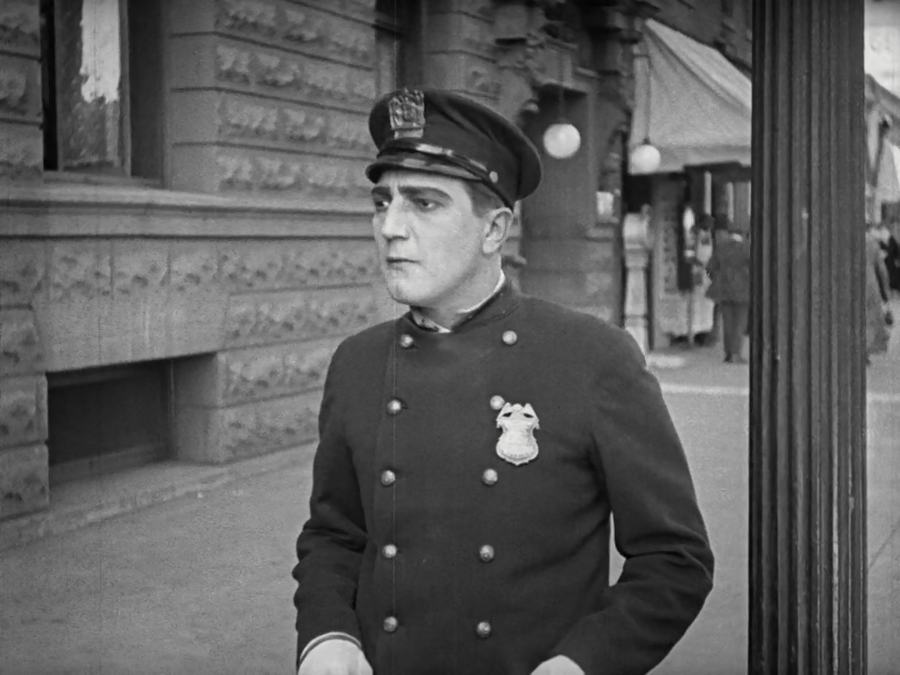
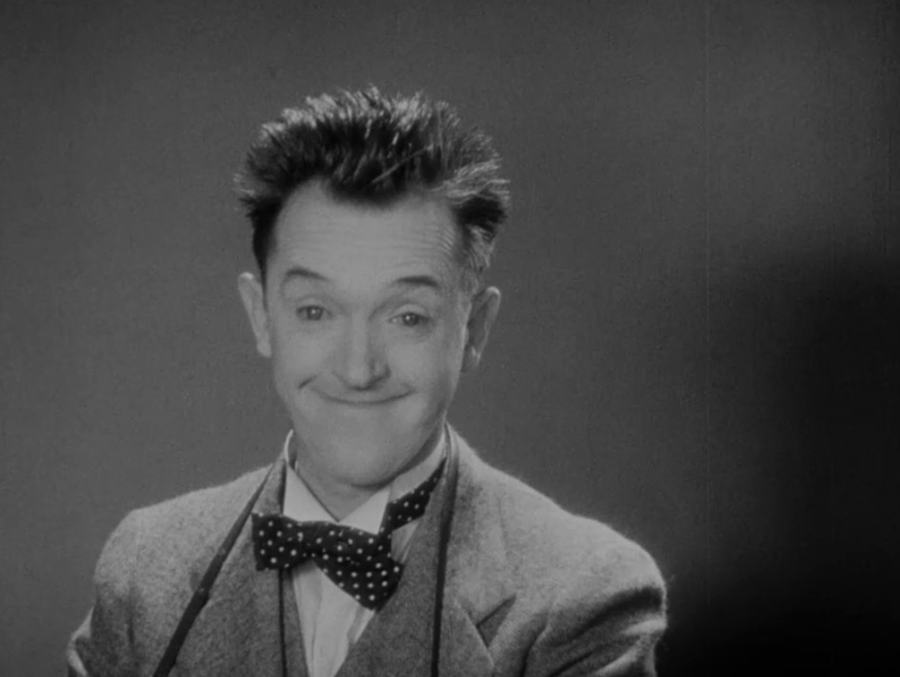
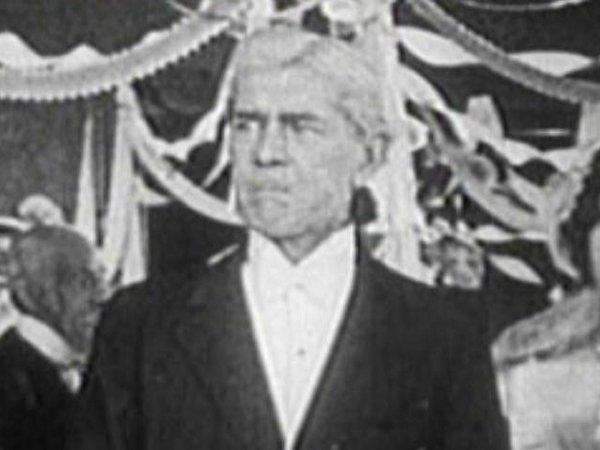
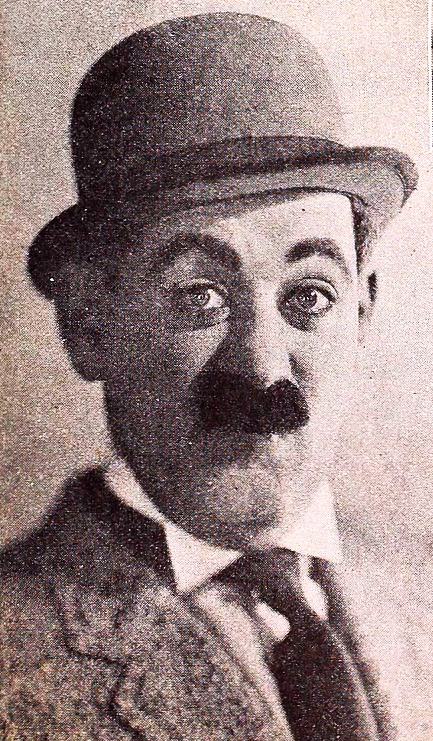
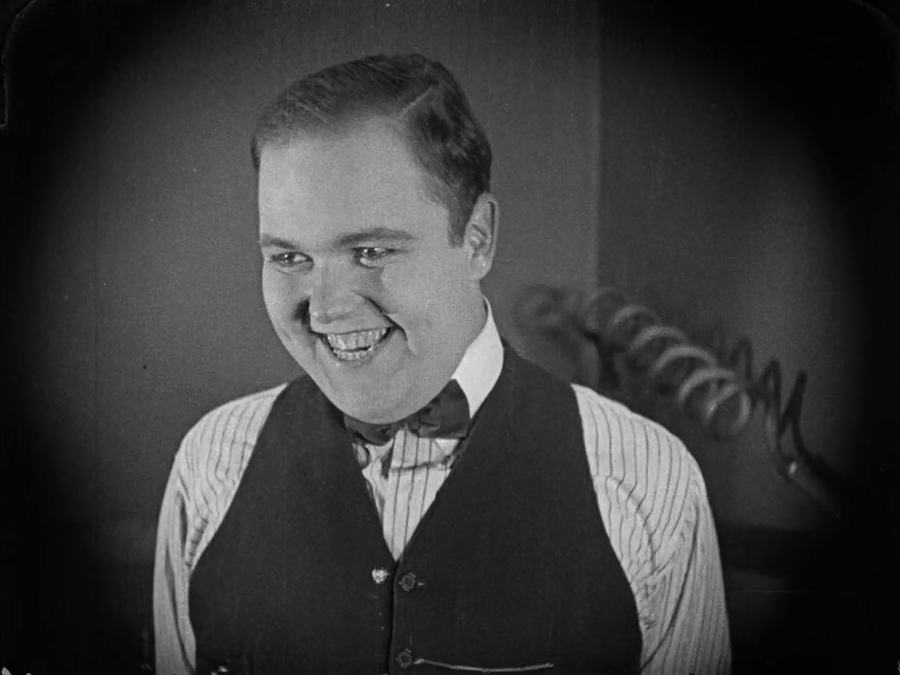
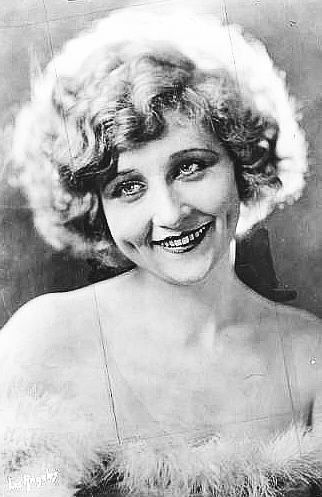
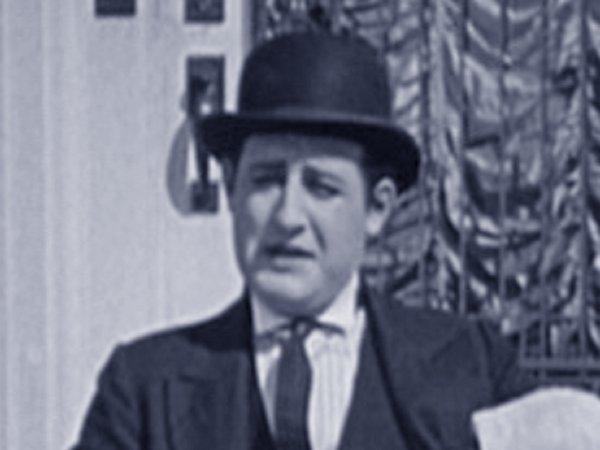
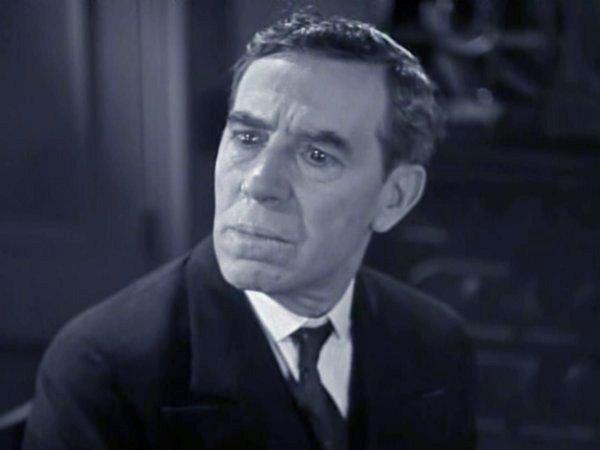
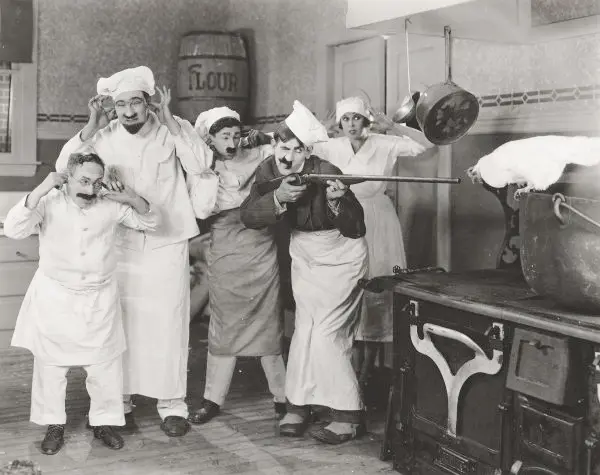
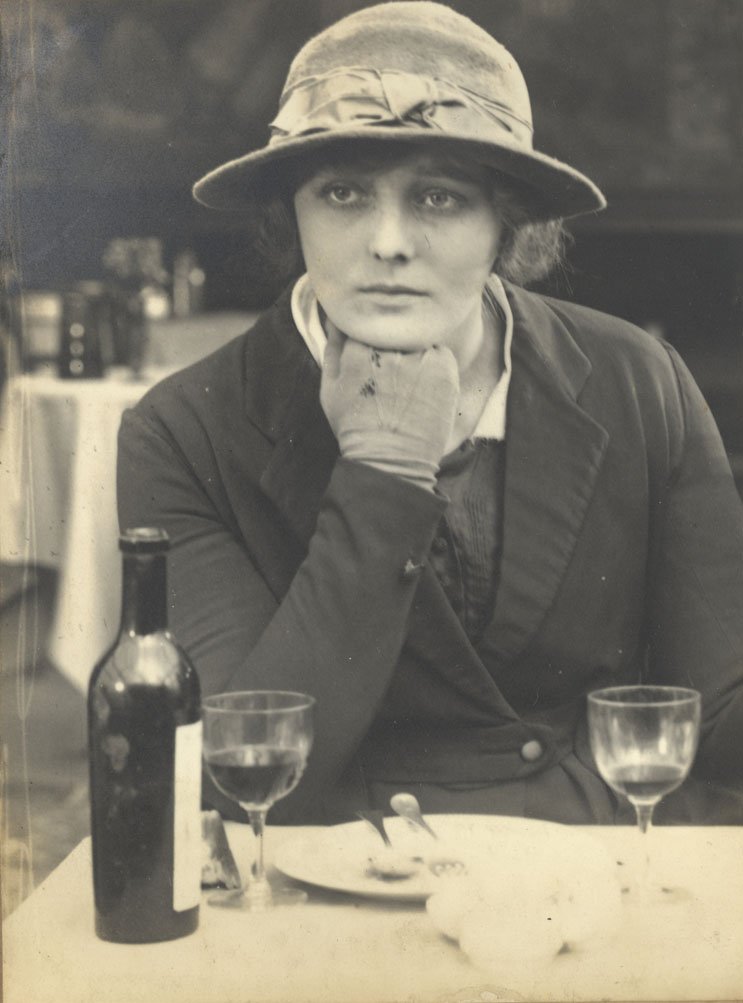
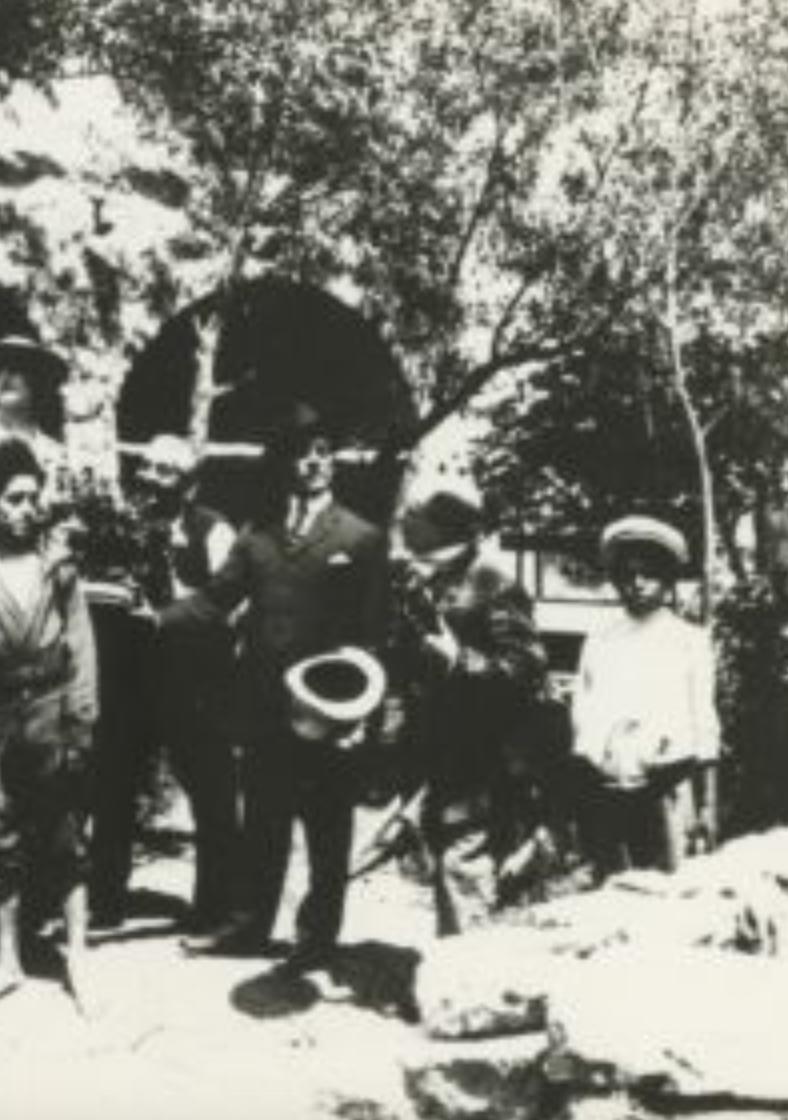
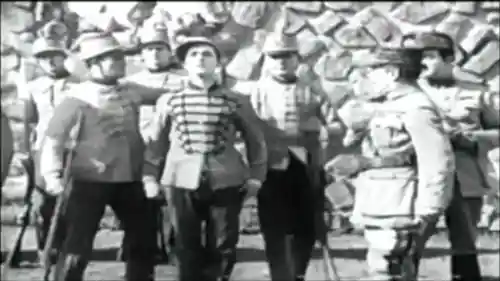
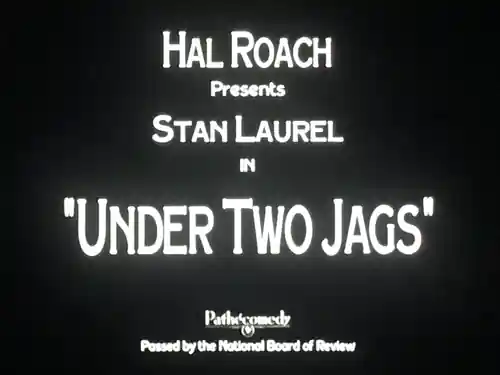
An early Stan Laurel comedy set, improbably enough, in the Arabian Peninsula. The silent star is a strange sight in his Chaplin-esque tramp costume surrounded by men in Arabic dress.

\n\n\n\nUnder Two Jags Review\n\n\nA Desert Mirage of Comedy: Context and Setting\nWhen the 1920s silent era reached its zenith, filmmakers delighted in transplanting familiar comic archetypes into exotic locales. Under Two Jags epitomises this trend, thrusting Stan Laurel’s iconic tramp into an Arabian desert that fee...

still_frame

still_frame
still_frame
still_frame

still_frame
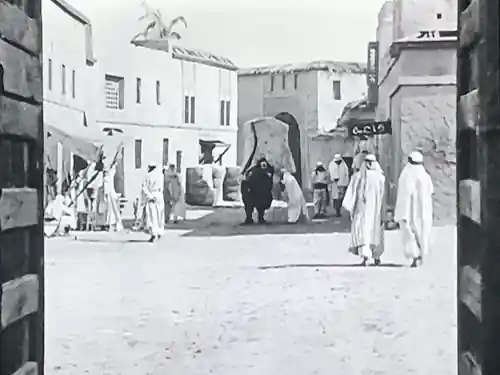
still_frame
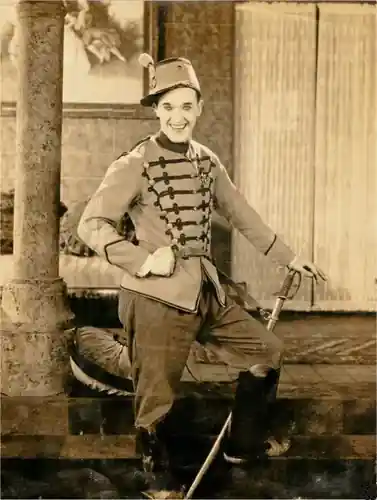
publicity

still_frame
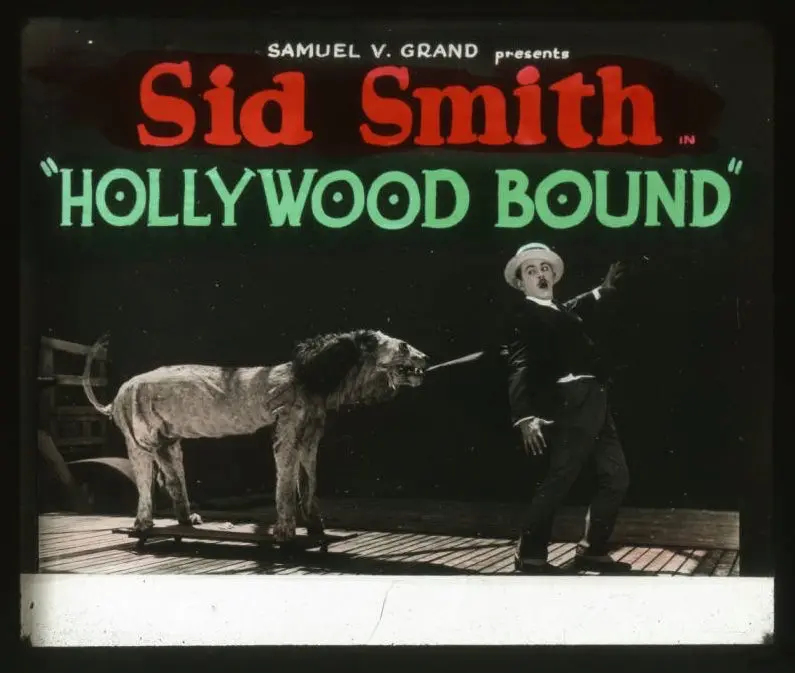
Comparing the cinematic DNA and archive impact of two defining moments in cult history.
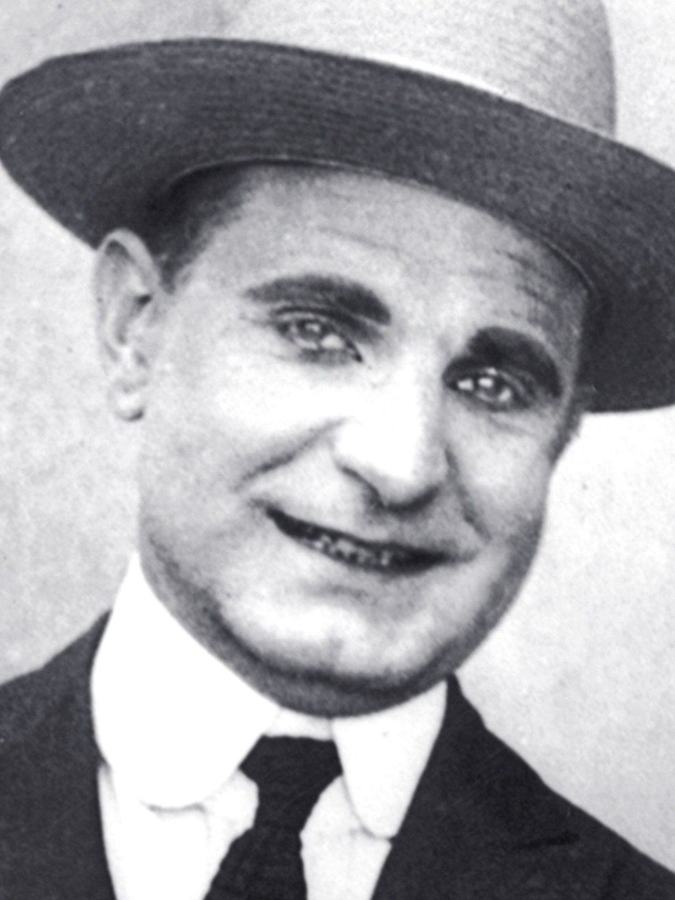
George Jeske
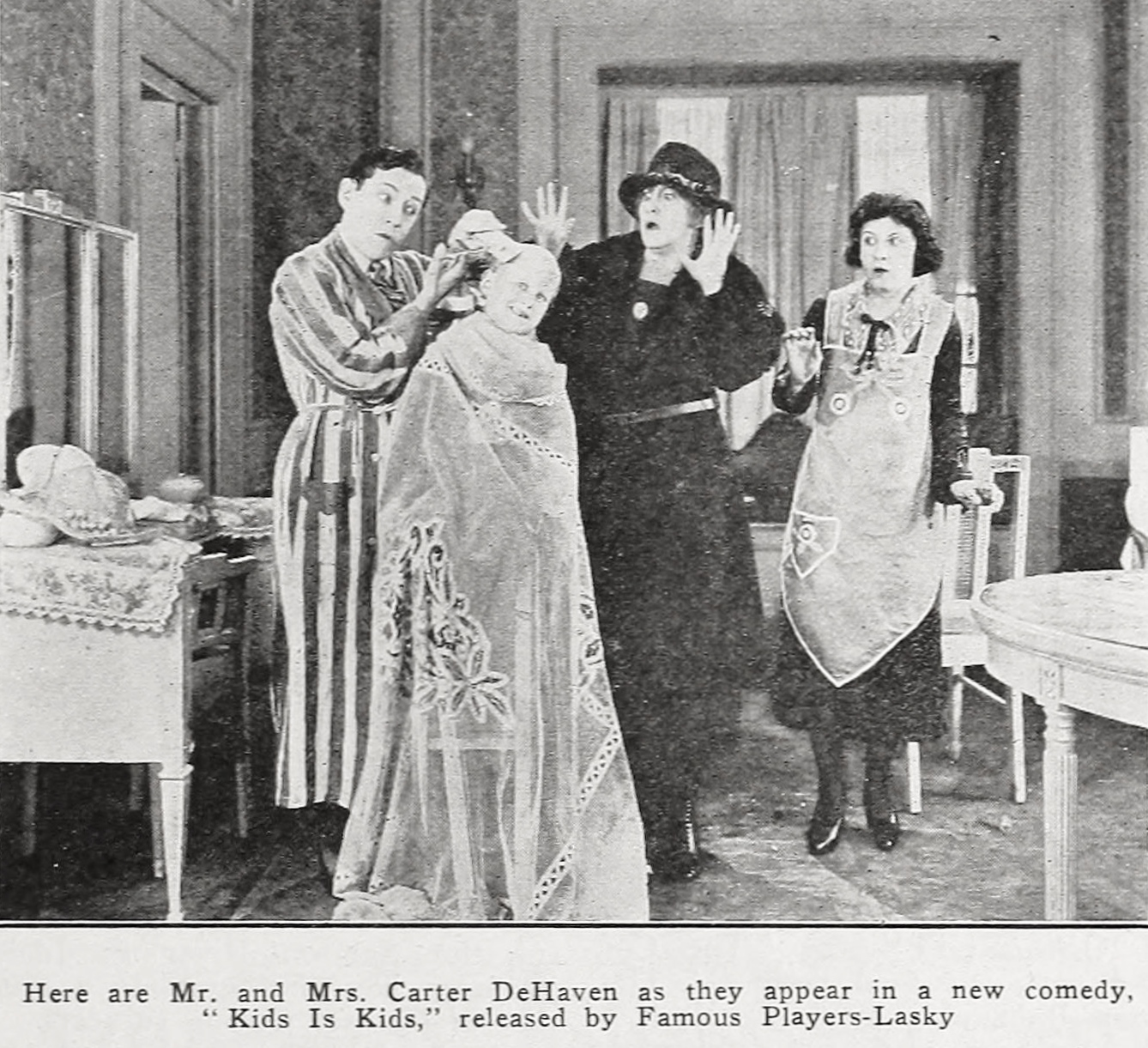
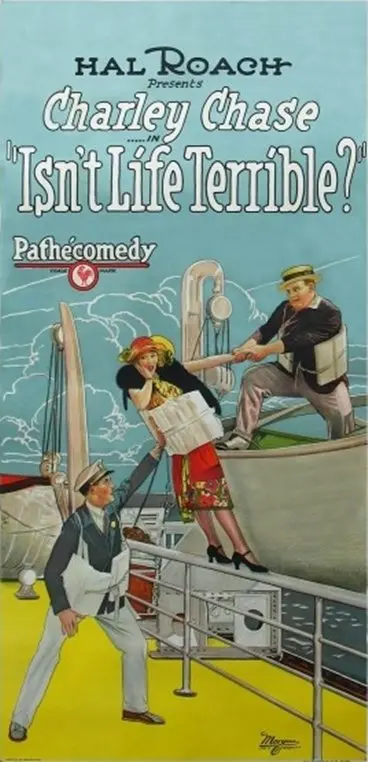
Charley Chase
Community
Log in to comment.
"\n\n\n\nUnder Two Jags Review\n\n\nA Desert Mirage of Comedy: Context and Setting\nWhen the 1920s silent era reached its zenith, filmmakers delighted in transplanting familiar comic archetypes into exotic locales. Under Two Jags epitomises this trend, thrusting Stan Laurel’s iconic tramp into an Arabian desert that feels both fantastical and deliberately anachronistic. The mise‑en‑scene brims with sun‑bleached dunes, fluttering pennants, and a cavalcade of costumed extras whose attire borrows li..."
United States
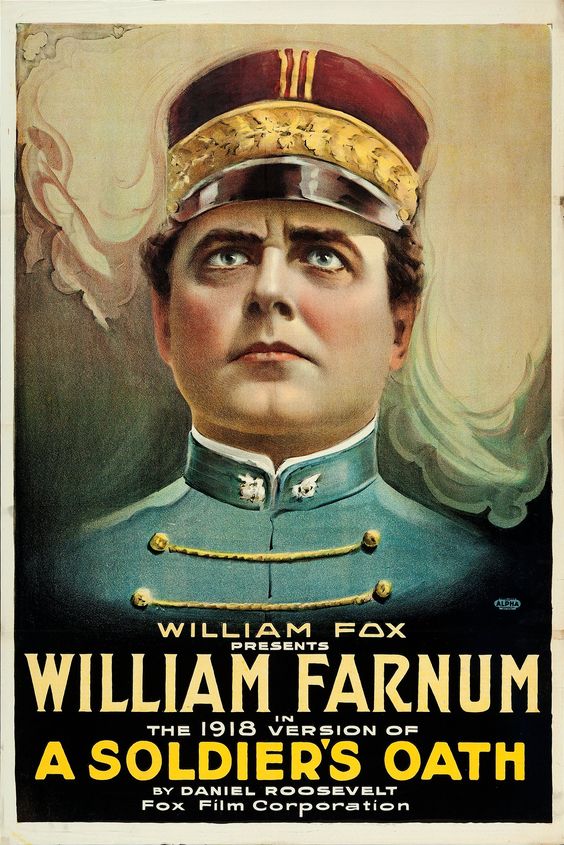
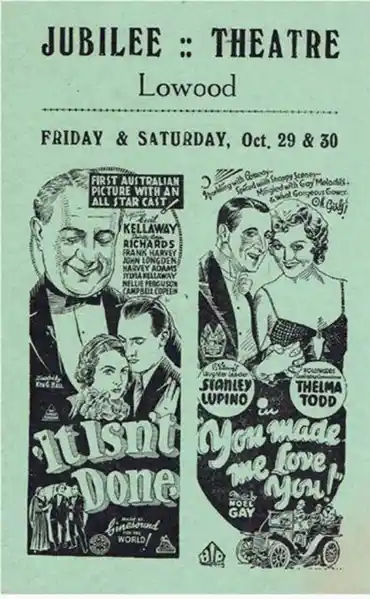
Deep dive into the cult classic
Discover similar cinematic experiences
A Directorial Spotlight on George Jeske