DbcultAccessing Vault...
6.2/10
Senior Film Conservator
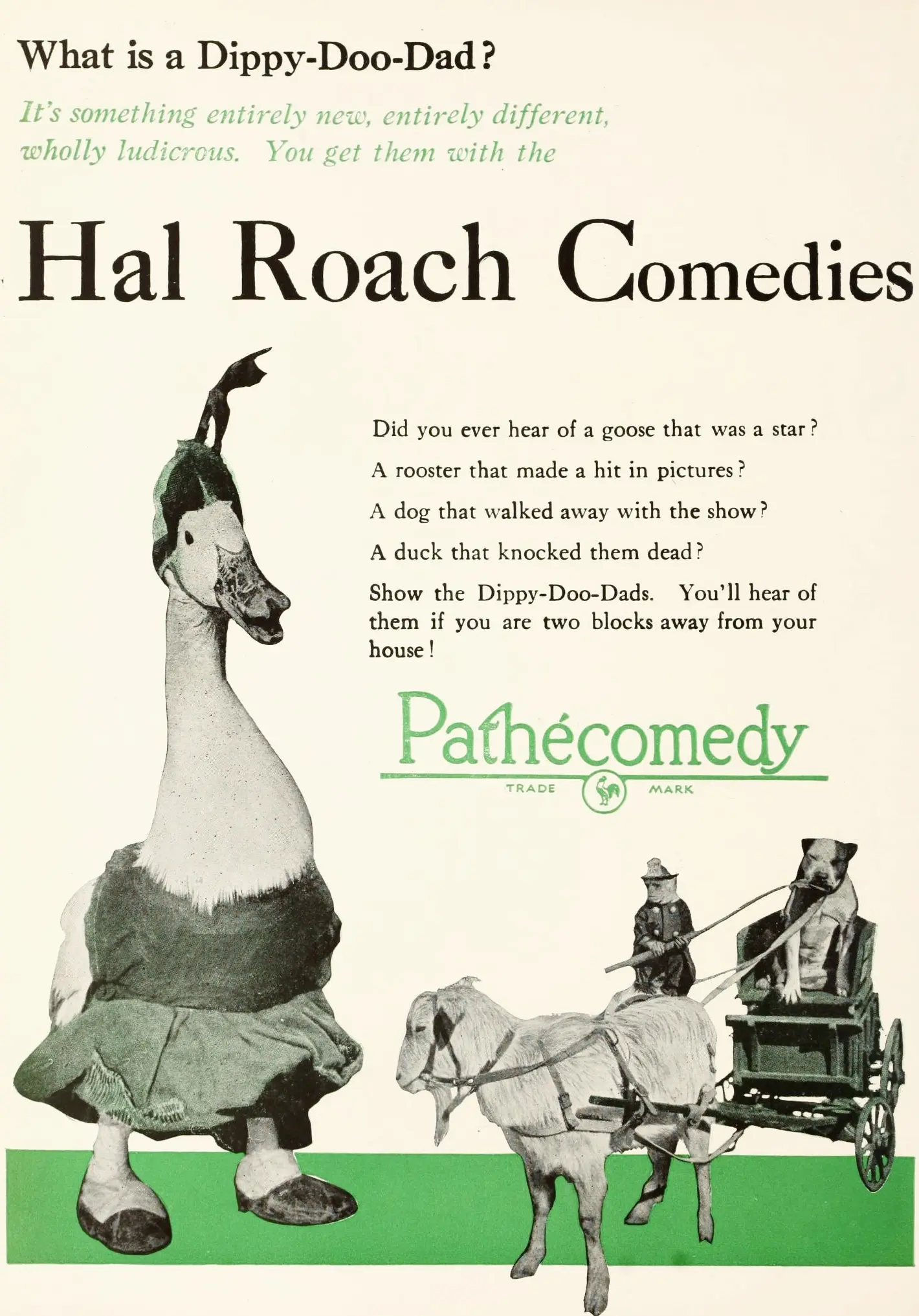
A definitive 6.2/10 rating for a film that redefined the boundaries of cult cinema. Up and at 'Em remains a cornerstone of transgressive art.
In the pantheon of early 20th-century cinema, 'Up and at 'Em' occupies a unique niche, offering a compelling narrative that deftly explores the tensions between rural life and urban ambition. The film, starring Len Powers, presents a rich tapestry of themes, from the stifling nature of bucolic existence to the redemptive power of perseverance in the face of adversity.
The story begins with a country boy, disillusioned with the monotony of farm life, who sets out for the city, driven by a desire for excitement and opportunity. His decision is motivated by a sense of restlessness, a feeling that there must be more to life than the rustic routine of rural living. This leitmotif of discontent serves as a powerful catalyst for his journey, propelling him into a world of uncertainty and challenge.
Upon arriving in the city, the protagonist secures a job at a bank, an institution that represents the epitome of urban sophistication and financial acumen. However, his naivety and inexperience soon render him vulnerable to the machinations of a group of thieves, who rob the bank and leave him as the prime suspect. The situation is further complicated by the suspicions of his employers and the authorities, who are quick to assume his guilt.
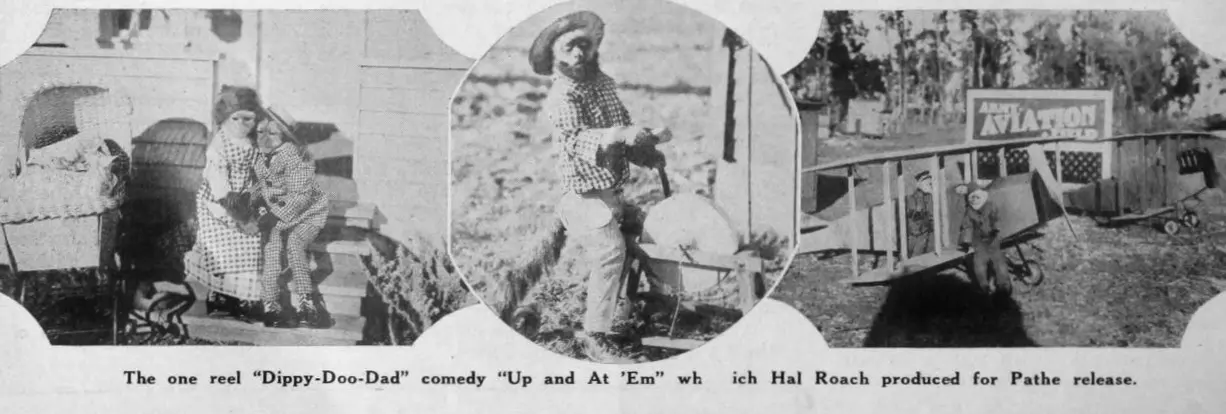
As the narrative unfolds, the protagonist finds himself entangled in a complex web of deceit and betrayal. The whodunit aspect of the story is skillfully woven, with the audience being kept in suspense as the mystery slowly unravels. The tension builds as the hero navigates this labyrinthine world, confronting various obstacles and challenges that test his resolve and integrity.
The film's portrayal of the city as a jungle of opportunity and danger serves as a powerful backdrop for the protagonist's journey. The urban landscape is depicted as a realm of Darwinian competition, where only the strongest and most resilient can survive. This Social Darwinist undercurrent adds depth to the narrative, highlighting the difficulties faced by those who venture into the unknown.
In its exploration of identity and morality, 'Up and at 'Em' invites comparison with other films of the era, such as The Crow's Nest and Három hét, which also probe the complexities of human nature and the search for authenticity. The film's use of cinematic tropes, such as the 'fish out of water' narrative, serves to underscore the protagonist's fish-out-of-water status in the urban environment.
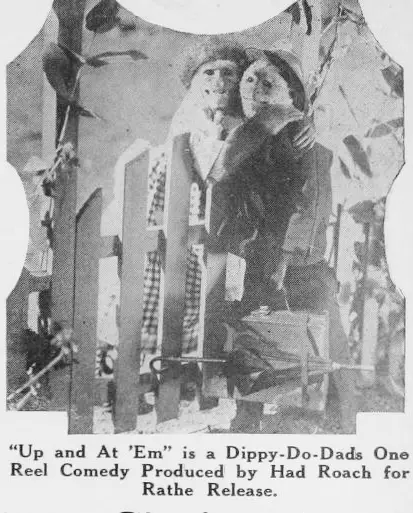
The performances in 'Up and at 'Em' are noteworthy, with Len Powers delivering a nuanced and empathetic portrayal of the protagonist. The supporting cast adds depth to the narrative, with their characters serving to complicate and enrich the story. The film's direction is similarly impressive, with the use of cinematographic techniques serving to create a visually stunning experience.
Thematic resonances can be seen with other films of the period, such as Luffar-Petter and The On-the-Square Girl, which also explore the tensions between traditional values and modernity. The film's social commentary is similarly pertinent, highlighting the difficulties faced by those navigating the urban landscape.
In conclusion, 'Up and at 'Em' is a captivating cinematic narrative that offers a rich and nuanced exploration of rural disillusionment and urban redemption. Through its thought-provoking themes and memorable performances, the film provides a compelling viewing experience that lingers long after the credits roll. For fans of classic cinema, The Champeen, The Runaway, and The College Orphan are also worth exploring, as they share similar thematic concerns and narrative motifs.
Ultimately, 'Up and at 'Em' stands as a testament to the power of perseverance and the human spirit. The film's uplifting conclusion serves as a powerful reminder that, no matter the challenges we face, we always have the capacity to overcome adversity and emerge triumphant.

IMDb 5.8
1917
Community
Log in to comment.