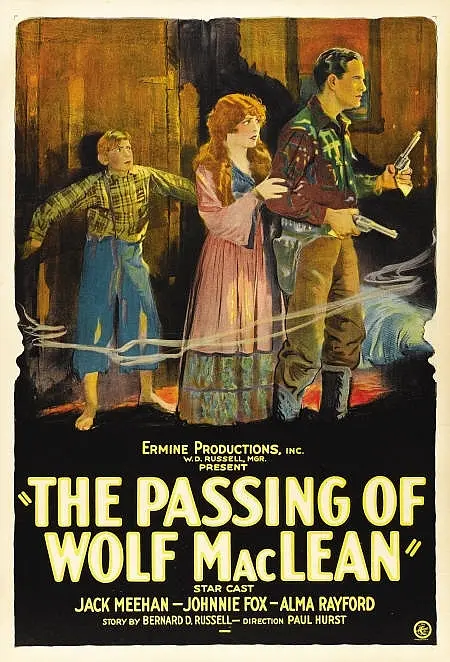
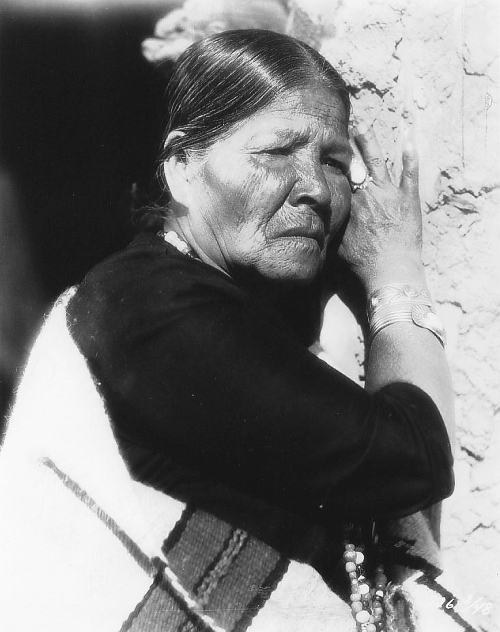
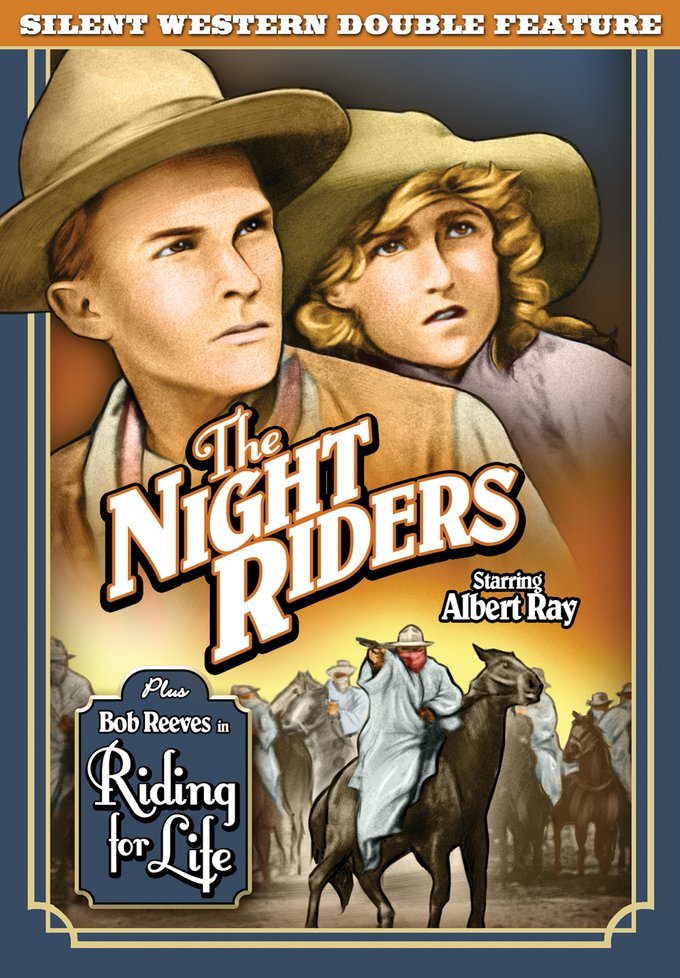
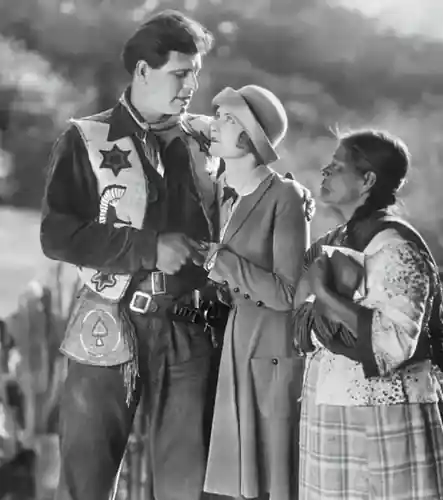
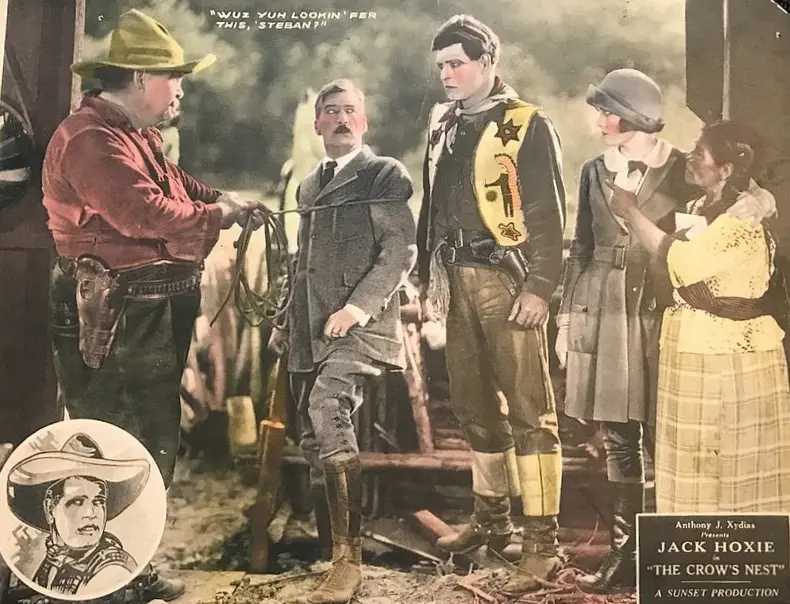
Esteban, a white boy, is reared by an Indian squaw, whom he believes to be his mother and from whom Beaugard steals the papers documenting Esteban's birth and his right to inherit a ranch. When he is grown, Esteban falls in love with Patricia Benton, Beaugard "exposes" Esteban to Patricia, and the villain taunts the lad that he has no right to a white woman.
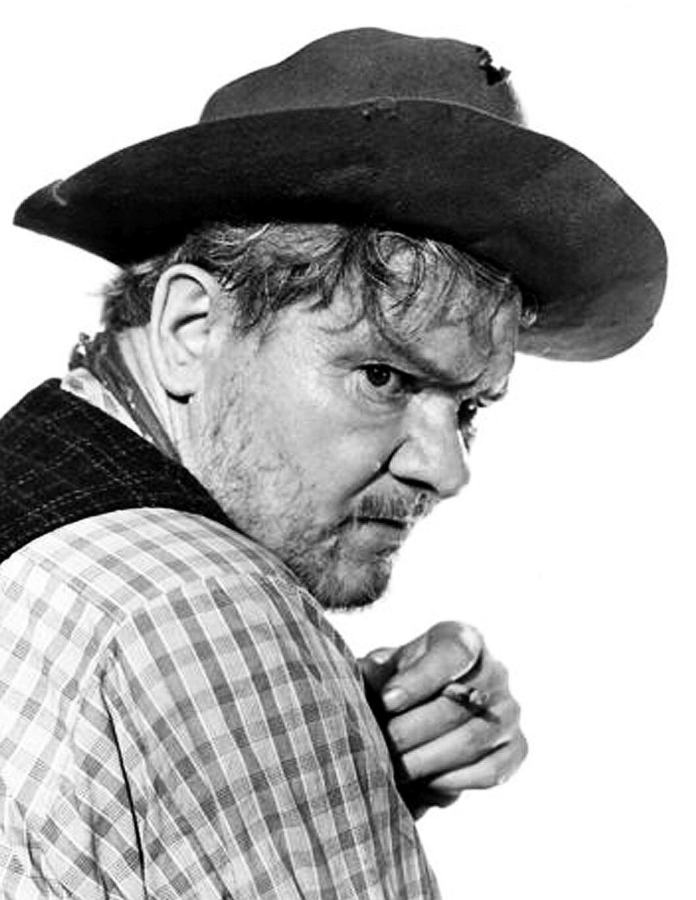
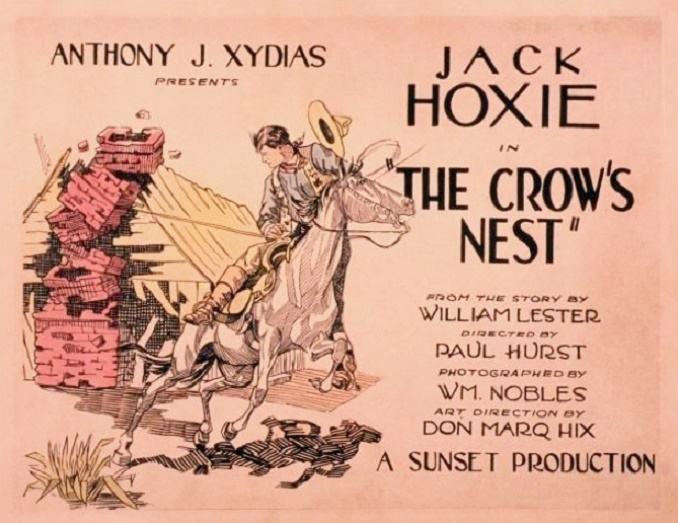
William Berke’s The Crow’s Nest—a 1922 six-reeler once feared lost in a Montana vault fire—surfaces like a ghost over wet prairie: fleeting, flawed, yet glowing with that sulphur tint of myth. Viewed today, its very title feels ironic; the crow builds no nest of its own, only usurps others, and so the film circles the...
still_frame
still_frame

Comparing the cinematic DNA and archive impact of two defining moments in cult history.
Paul Hurst
Paul Hurst
Community
Log in to comment.
" William Berke’s The Crow’s Nest—a 1922 six-reeler once feared lost in a Montana vault fire—surfaces like a ghost over wet prairie: fleeting, flawed, yet glowing with that sulphur tint of myth. Viewed today, its very title feels ironic; the crow builds no nest of its own, only usurps others, and so the film circles the predation of identity, property, and womb. Berke, who would later carve poverty-row talkies with the efficiency of a lumberjack, here brandishes silence like a scalpel. Plot as P..."
Evelyn Nelson
William Berke
United States
Deep dive into the cult classic
Discover similar cinematic experiences
A Directorial Spotlight on Paul Hurst