DbcultAccessing Vault...
6.7/10
Senior Film Conservator
A definitive 6.7/10 rating for a film that redefined the boundaries of cult cinema. The Spirit of Cabin Mine remains a cornerstone of transgressive art.
In the annals of silent cinema, where shadows danced with nascent dreams and storytelling found its voice through gesture and stark imagery, there occasionally emerges a work that transcends its temporal confines, speaking to universal human truths with an uncanny clarity. “The Spirit of Cabin Mine” is precisely such an artifact—a profoundly resonant melodrama that excavates not just the earth's riches, but the very soul of a community ravaged by avarice and haunted by its own buried transgressions. This cinematic endeavor, a formidable testament to the era’s narrative ambition, plunges viewers into a world where the lines between the living and the spectral blur, where the weight of the past is as tangible as the ore extracted from the unforgiving earth.
The narrative unfurls within the desolate, dust-choked confines of the titular Cabin Mine settlement, a place where hope is as scarce as verdant foliage. Here, the formidable presence of Silas Thorne, brought to life with chilling precision by H.N. Dudgeon, casts a long, oppressive shadow. Thorne is not merely the proprietor of the mine; he is its very embodiment—a man whose hardened visage and flinty gaze betray a soul corroded by ambition and a past laden with unspoken misdeeds. The mine itself, a gaping maw carved into the rugged landscape, serves as a character in its own right, a silent, brooding witness to the human drama unfolding within its perilous depths. Its tunnels are not just conduits to wealth but also repositories of memory, echoing with the whispers of lives tragically cut short.
Into this crucible of simmering tension and latent despair arrives Elara Vance, a figure of arresting grace and steely resolve, exquisitely rendered by Dorothy Oliver. Her entrance into the stark, masculine world of Cabin Mine is akin to a lone, delicate bloom pushing through parched earth, yet her seemingly fragile demeanor belies an unyielding tenacity. Elara is no mere damsel in distress; she is a woman driven by an almost spiritual imperative, a relentless quest for truth that stems from a deeply personal tragedy. Her family, she believes, perished in a catastrophic mine collapse years prior, a disaster that was swiftly, perhaps too conveniently, attributed to natural causes. Oliver imbues Elara with a palpable sense of purpose, her every glance and measured movement conveying a profound inner strength, a quiet defiance against the pervasive gloom. Her performance is a masterclass in nuanced emotional expression, a silent symphony of grief, determination, and burgeoning hope.
The film’s genius lies in its intricate weaving of a personal vendetta with a broader commentary on industrial exploitation and collective guilt. Elara’s arrival acts as a catalyst, disturbing the carefully constructed edifice of lies that Thorne has maintained for years. The “spirit” of Cabin Mine, initially perceived as a vague, unsettling presence, gradually solidifies into a tangible force—the lingering specter of injustice, the collective memory of the mine’s victims demanding reckoning. This is not merely a ghost story in the conventional sense, but a profound exploration of how unresolved trauma can permeate a place, influencing the living and shaping their destinies. The visual language employed to convey this spectral influence is subtle yet potent, utilizing clever lighting techniques and evocative camera angles to suggest an unseen presence, a chilling reminder of past horrors.
Amidst the escalating tension, Bud Travers delivers a compelling performance as Jed Stone, a pragmatic yet fundamentally decent miner whose initial wariness of Elara slowly transforms into steadfast loyalty. Jed represents the conscience of the working man, caught between the oppressive power of the mine owner and the nascent stirrings of rebellion. Travers portrays Jed with an earnest sincerity, his rugged exterior hiding a sensitive heart. His evolving relationship with Elara provides a much-needed emotional anchor, a glimmer of human connection in an otherwise bleak landscape. Their tentative alliance, forged in the face of shared adversity, is one of the film’s most endearing elements, reminiscent of the understated romantic arcs found in other silent-era dramas that juxtaposed rugged environments with tender human emotions, such as Rimrock Jones.
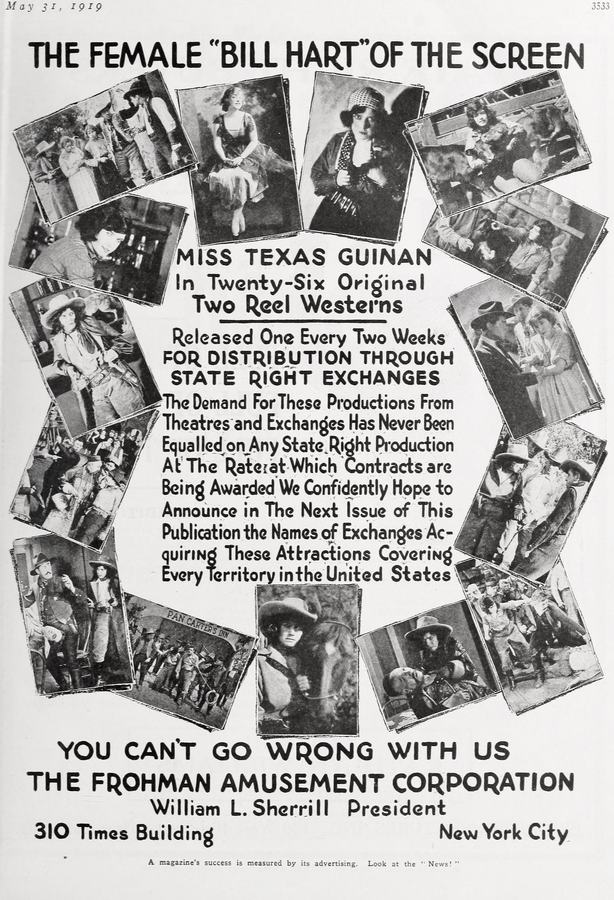
Adding another layer of intrigue is Texas Guinan as Lily Devereaux, the flamboyant, world-weary proprietress of the town’s only saloon—a vibrant oasis in the desert of despair. Lily is a fascinating study in moral ambiguity; she is a survivor, shrewd and cynical, yet possesses an underlying current of empathy. Guinan infuses Lily with a captivating blend of brassiness and vulnerability, her knowing glances and sardonic smiles hinting at a deep well of unspoken knowledge about the town’s secrets. She serves as a crucial observer and occasional confidante, her presence lending an authentic flavor to the harsh realities of frontier life. Guinan's portrayal elevates Lily beyond a mere supporting role, making her an indispensable part of the narrative tapestry, a character whose wry observations provide both comic relief and poignant insight, much like the memorable supporting figures in films like The Head Waiter.
The direction of “The Spirit of Cabin Mine” is a masterclass in visual storytelling, a hallmark of the silent era’s finest works. The cinematographer’s artistry is evident in every frame, from the stark, forbidding exteriors of the mining camp, bathed in a perpetual twilight of dust and shadow, to the claustrophobic, labyrinthine interiors of the mine itself. The use of natural light, interspersed with dramatic chiaroscuro effects, creates an atmosphere of pervasive dread and impending doom. Close-ups are employed judiciously, magnifying the raw emotions etched across the actors’ faces, allowing their nuanced expressions to convey volumes of unspoken dialogue. The pacing is deliberate, building tension with a slow, inexorable dread, much like the creeping sense of unease found in mystery-thrillers such as The Mysterious Mr. Tiller. Every tilt of the camera, every carefully composed shot, serves to amplify the narrative’s emotional impact, drawing the audience deeper into the heart of the unfolding drama.
As Elara meticulously unearths fragmented clues—a cryptic journal hidden within a crumbling wall, an abandoned locket bearing a faded inscription, and the recurring, unsettling flicker of a spectral presence in the mine’s deepest, most forgotten recesses—the truth of Thorne’s complicity in the past disaster slowly, agonizingly surfaces. The revelations are not delivered through expositional dialogue but through a series of expertly choreographed visual sequences: flashbacks rendered in soft focus, the poignant discovery of objects that speak louder than words, and the increasingly desperate actions of Thorne as his carefully constructed façade begins to crumble. The film masterfully builds a sense of inevitable confrontation, the weight of past sins pressing down on the present with an almost physical force.
The thematic richness of “The Spirit of Cabin Mine” is truly remarkable. It delves into the corrosive nature of greed, demonstrating how the relentless pursuit of wealth can warp human morality and lead to devastating consequences. Yet, it also champions the indomitable human spirit, the unyielding quest for justice, and the redemptive power of truth. The film subtly explores the class divide, the stark contrast between the opulence sought by the mine owner and the perilous existence endured by the laborers. It touches upon themes of memory and legacy, suggesting that the past is never truly buried but continues to exert its influence until its wrongs are acknowledged and rectified. In this regard, it shares a contemplative depth with other socially conscious films of its era, like Blind Man's Holiday, which often explored the deeper human condition beneath societal veneers.
The climax of the film is a tour de force of silent cinematic artistry—a harrowing, visceral mine collapse that serves as both a literal and metaphorical eruption of the town’s spiritual decay. This catastrophic event forces a brutal confrontation, not just between the characters, but with the very essence of their shared history. Long-buried secrets are violently exhumed amidst the chaos and dust, and the true “spirit” of Cabin Mine—a potent, undeniable force of justice and remembrance—finally asserts its spectral dominion over the living. The sequence is breathtaking in its execution, a testament to the era’s practical effects and the sheer ingenuity of its filmmakers. It is a moment of profound catharsis, where the scales of justice, long tipped by corruption, are finally balanced. The raw emotion conveyed by the actors during this chaotic sequence is utterly captivating, drawing the audience into the heart of the disaster with an almost unbearable intensity.
Comparing “The Spirit of Cabin Mine” to its contemporaries reveals its unique standing. While films like Saints and Sorrows might have explored moral quandaries, and War and the Woman delved into societal roles, “The Spirit of Cabin Mine” masterfully blends melodrama with a nascent form of psychological horror and social commentary. It anticipates later genres by intertwining a spectral element not merely for cheap thrills, but as an integral component of its moral framework. The film’s intricate character development, particularly the compelling arc of Elara, sets it apart, demonstrating a sophistication that goes beyond simplistic portrayals of good and evil. Its narrative ambition and visual poetry place it squarely among the more innovative productions of its time, deserving of a place alongside rediscovered gems like The Thoroughbred.
In its ultimate resolution, “The Spirit of Cabin Mine” offers a poignant, albeit hard-won, sense of closure. The film concludes not with a simplistic happy ending, but with a profound understanding of legacy and the enduring power of truth. It leaves the viewer with a lingering sense of the delicate balance between human ambition and the natural world, and the eternal struggle between light and shadow within the human heart. This cinematic achievement, with its compelling performances, evocative direction, and timeless themes, stands as a powerful reminder of the silent film era’s artistic depth and its enduring capacity to tell stories that resonate across generations. It is a film that demands to be seen, studied, and appreciated for its contribution to the rich tapestry of cinematic history, a true subterranean treasure waiting to be unearthed by discerning cinephiles.
IMDb —
1914
Community
Log in to comment.