DbcultAccessing Vault...
6.6/10
Senior Film Conservator
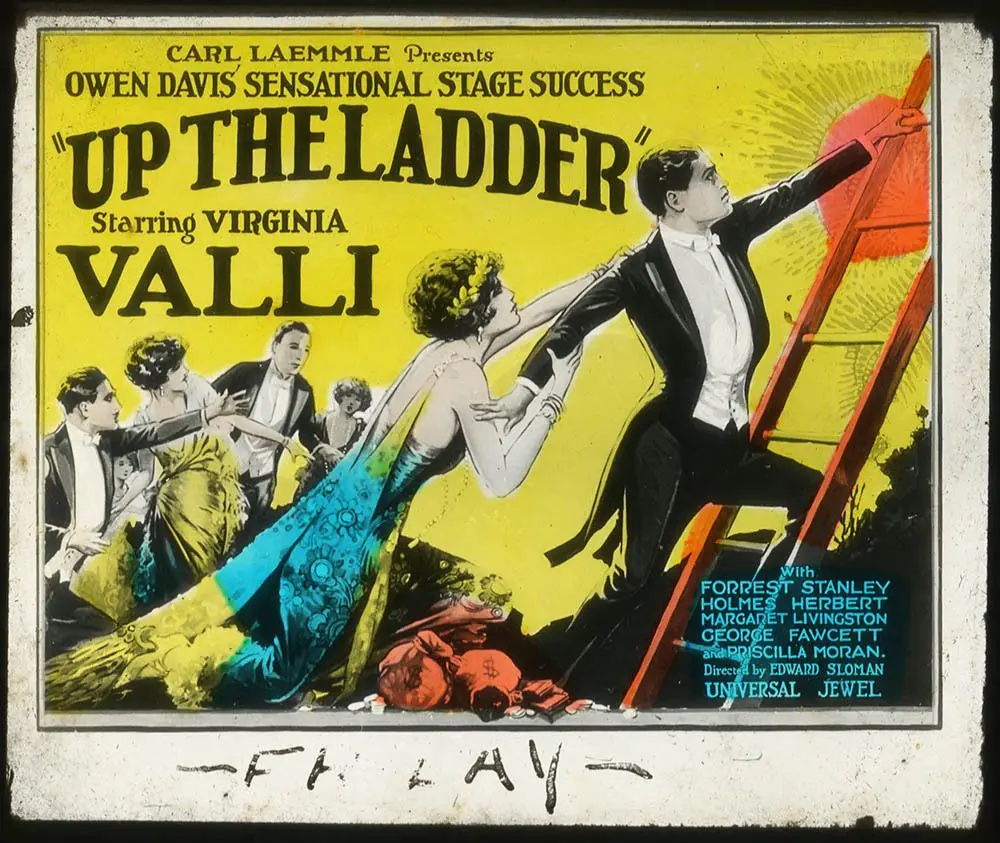
A definitive 6.6/10 rating for a film that redefined the boundaries of cult cinema. Up the Ladder remains a cornerstone of transgressive art.
Lydia Yeamans Titus stars as Jane, a quietly formidable woman who discreetly funds her husband's company, Mr. Titus (Forrest Stanley). As their business flourishes, Jane's investment bears fruit, bringing them prestige and wealth. However, the tide of success brings an unexpected challenge: Mr. Titus begins to succumb to the allure of power and influence, which Jane had not anticipated. This shift in his behavior threatens to unravel the very fabric of their relationship, prompting a profound examination of trust, loyalty, and the moral lines one might cross in the pursuit of corporate glory.

Tom McNamara, Grant Carpenter, and Owen Davis contribute to a screenplay that is both intricate and compelling. Their narrative weaves a tapestry of moral dilemmas and personal conflicts, grounding the story in the minutiae of everyday life. The supporting cast, including Margaret Livingston, Virginia Valli, and the ensemble of actors, brings a nuanced depth to the characters, making the emotional stakes of their journey palpable.

The film's visual style is a harmonious blend of subtle elegance and intense drama. The cinematography, by the skilled hand of an unnamed director, captures the opulence of Jane's world while juxtaposing it with the darker undercurrents of Mr. Titus's actions. The use of color and lighting not only enhances the aesthetic appeal but also amplifies the emotional intensity of the scenes, drawing the audience into the world of the characters.
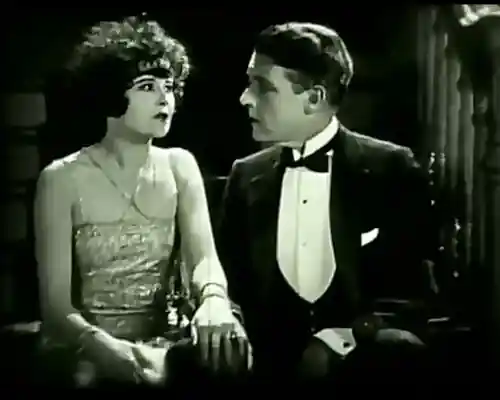
Lydia Yeamans Titus delivers a masterful performance as Jane, a woman whose strength and resolve are tested to the limit. Her quiet control and the subtle shifts in her demeanor, from confidence to fear, are poignantly portrayed. Forrest Stanley, as Mr. Titus, is equally compelling, portraying a man who is both ambitious and flawed, his character evolution a central pillar of the film's narrative.
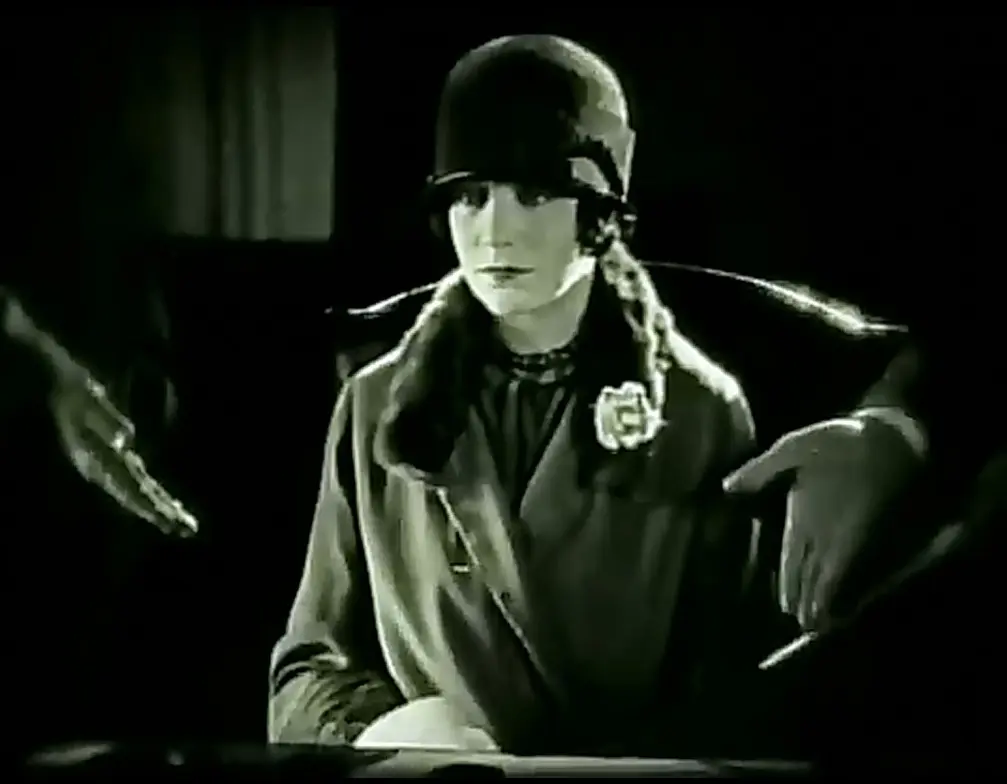
The supporting cast is equally impressive, with each actor contributing to the richness of the ensemble. Margaret Livingston and Virginia Valli provide a strong contrast to the central couple, their characters serving as points of reference for the audience, grounding the story in the complexity of human relationships.
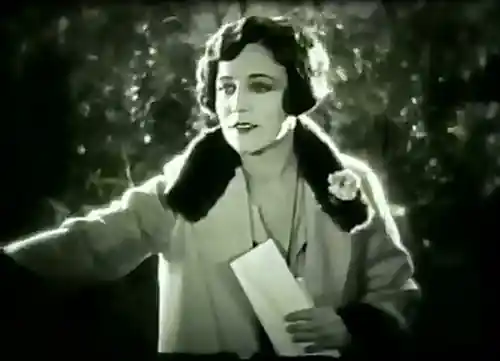
The film's pacing is deliberate, allowing for a nuanced exploration of the characters' motivations and the consequences of their actions. The dialogue is sharp and meaningful, with each line carefully crafted to advance the story and deepen the emotional resonance. The film's narrative structure is clever, effortlessly transitioning between intimate domestic scenes and broader societal implications, creating a layered and multifaceted viewing experience.
Comparatively, 'Up the Ladder' shares thematic similarities with films like 'The Willow Tree', where the exploration of ambition and personal sacrifice is central. It also resonates with 'Blutschande', another film that delves into the complexities of morality and the personal costs of power. However, 'Up the Ladder' brings a fresh perspective, focusing more on the domestic and personal aspects of these themes, rather than the grander societal implications.
The film's impact lies in its ability to evoke a range of emotions, from admiration for Jane's quiet strength to a deep sense of empathy for Mr. Titus's inner turmoil. It challenges the audience to consider the ethical boundaries of ambition and the personal toll that success can take on individuals and their relationships. 'Up the Ladder' is not just a story about business and power; it is a profound exploration of the human condition, a testament to the enduring relevance of classic storytelling.

IMDb 5.5
1922
Community
Log in to comment.