DbcultAccessing Vault...
5.6/10
Senior Film Conservator
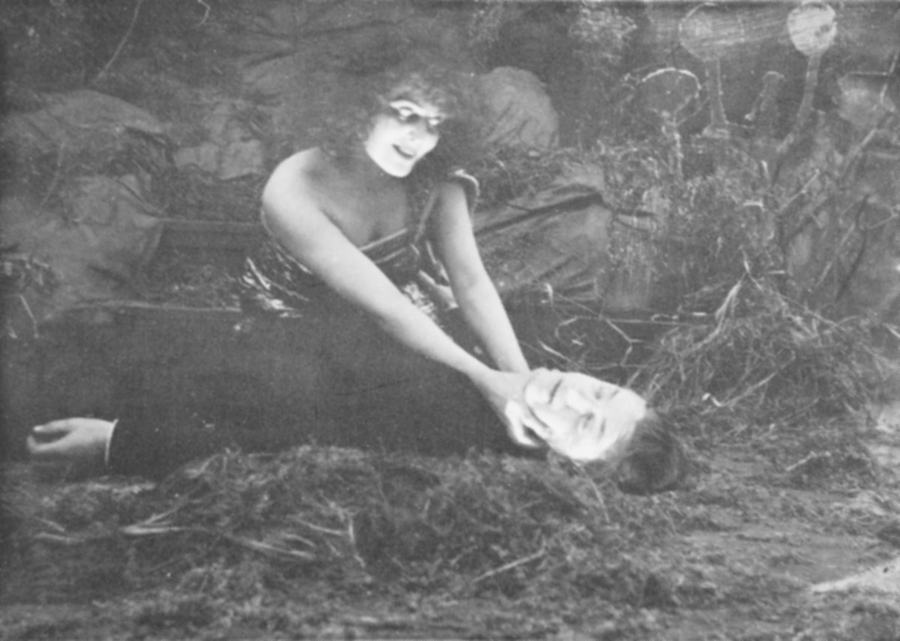
A definitive 5.6/10 rating for a film that redefined the boundaries of cult cinema. Vampyrdanserinden remains a cornerstone of transgressive art.
Stepping back into the nascent days of cinema, particularly to a work like Vampyrdanserinden (The Vampire Dancer), is to engage with an art form still very much in its infancy, yet already grappling with profound themes and sophisticated narrative structures. This Danish production, a fascinating relic from an era when storytelling through moving images was a burgeoning marvel, invites us to consider the foundational elements that would define cinematic melodrama for decades to come. Released at a time when the world was captivated by the sheer spectacle of motion pictures, it offered audiences a dramatic narrative steeped in artistic ambition and, ultimately, stark tragedy. The film, penned by Nikolai Brechling and Waldemar Hansen, demonstrates an early understanding of how to build tension and emotional resonance without the aid of spoken dialogue, relying instead on the expressive power of its performers and the evocative staging.
At its core, Vampyrdanserinden plunges us into the high-stakes world of theatrical performance, where the show, quite literally, must go on. Sylvia Lafont, portrayed with compelling intensity by Ingeborg Bruhn Bertelsen, is a dancer of considerable renown, her reputation intrinsically linked to the success of her signature piece, the 'Vampire Dance.' This particular performance, we can infer, is not merely a sequence of steps but a dramatic tableau, a narrative told through movement, demanding a partner of equal skill and stage presence. When her established partner succumbs to an illness, the narrative immediately establishes a sense of urgent crisis. The vulnerability of artistic endeavors, dependent on the fragile health and availability of its human components, is laid bare. This predicament sets in motion a chain of events that highlights the desperate measures artists sometimes take to preserve their craft and livelihood. The newspaper advertisement placed for a new dance partner becomes more than a mere logistical step; it is a desperate plea echoing through the bustling urban landscape, a beacon for anyone who might possess the elusive talent required.
The ensuing auditions, though likely depicted through the economic visual language of silent film, must have represented a microcosm of human ambition and aspiration. A procession of hopefuls, each with their own dreams and abilities, present themselves before Sylvia. Her choice of Oscar, a character whose past remains somewhat veiled but whose talent is immediately apparent, is pivotal. Svend Bille, in the role of Oscar, would have had the formidable task of conveying both this innate artistic prowess and the subtle complexities of his character through gesture and expression alone. The instant rapport, or perhaps the compelling artistic chemistry Sylvia perceives, speaks volumes about the magnetic pull between performers. This choice, however, is not merely a solution to a professional dilemma; it is the catalyst for the tragedy that gives the film its enduring, albeit somber, resonance. The narrative, therefore, skillfully navigates the intersection of professional necessity and personal destiny, demonstrating how a seemingly innocuous decision can irrevocably alter the course of lives.
Ingeborg Bruhn Bertelsen's portrayal of Sylvia Lafont is central to the film's emotional impact. Silent era acting, often characterized by exaggerated gestures and expressive facial contortions, served a crucial function: to communicate complex emotions and plot points without dialogue. Bertelsen, as the titular 'Vampire Dancer,' would have needed to convey not only grace and artistic mastery but also the growing despair and eventual heartbreak that define Sylvia's journey. Her character embodies the archetypal artist, driven by passion but vulnerable to the vagaries of fate and human imperfection. The physical demands of the dance itself, likely a stylized and dramatic sequence, would have further amplified her performance, making her a figure of both allure and pathos.
The supporting cast, including Axel Boesen and Frederik Christensen, would have played crucial roles in fleshing out the dramatic world surrounding Sylvia and Oscar. While specific details of their characters are scarce, their presence would have provided the necessary societal backdrop or personal foils to the central duo. In silent films, even minor characters contribute significantly to the overall atmosphere and the progression of the plot through their visual presence and reactions. The effectiveness of their non-verbal communication would have been paramount in establishing the narrative's credibility and emotional weight.
The directorial choices, guided by the script of Nikolai Brechling and Waldemar Hansen, would have been critical in shaping the film's tone and pacing. Early Danish cinema, like its European counterparts, often embraced a theatrical aesthetic, prioritizing clear blocking and carefully composed shots. The use of close-ups, though less prevalent than in later eras, would have been deployed strategically to emphasize emotional moments, drawing the audience into the characters' inner turmoil. Lighting, a powerful tool even in black and white, could have been manipulated to create dramatic shadows and highlights, enhancing the 'vampiric' theme of the dance and underscoring the impending tragedy. One might imagine stark contrasts, perhaps reminiscent of the chiaroscuro effects found in German Expressionist cinema a decade later, even if in a more nascent form, to heighten the dramatic tension. Such visual storytelling elements are what truly elevate silent films beyond simple moving photographs, transforming them into genuine artistic expressions.
The narrative of Vampyrdanserinden, while seemingly straightforward in its plot outline, delves into several profound thematic concerns. The relentless pursuit of artistic perfection, exemplified by Sylvia's dedication to her 'Vampire Dance,' highlights the often-unseen sacrifices and vulnerabilities inherent in creative endeavors. The fragility of human life and aspiration is a pervasive undercurrent; a single illness can derail years of dedication, a single choice can lead to unforeseen catastrophe. This echoes the broader human condition, where even the most meticulously planned lives can be upended by unforeseen circumstances.
Furthermore, the film likely explores the concept of fate, a common trope in early melodramas. The tragic outcome, hinted at in the plot summary, suggests a narrative where characters are, to some extent, swept along by forces beyond their control. This deterministic view often resonated deeply with audiences of the era, offering a framework through which to understand the chaotic and unpredictable nature of existence. The 'Vampire Dance' itself could be seen as a metaphor for this; a performance that, by its very nature, flirts with the macabre and the dangerous, perhaps foreshadowing the real-life darkness that consumes its performers. It’s a compelling idea, that art can both reflect and, in some tragic ways, predict life.
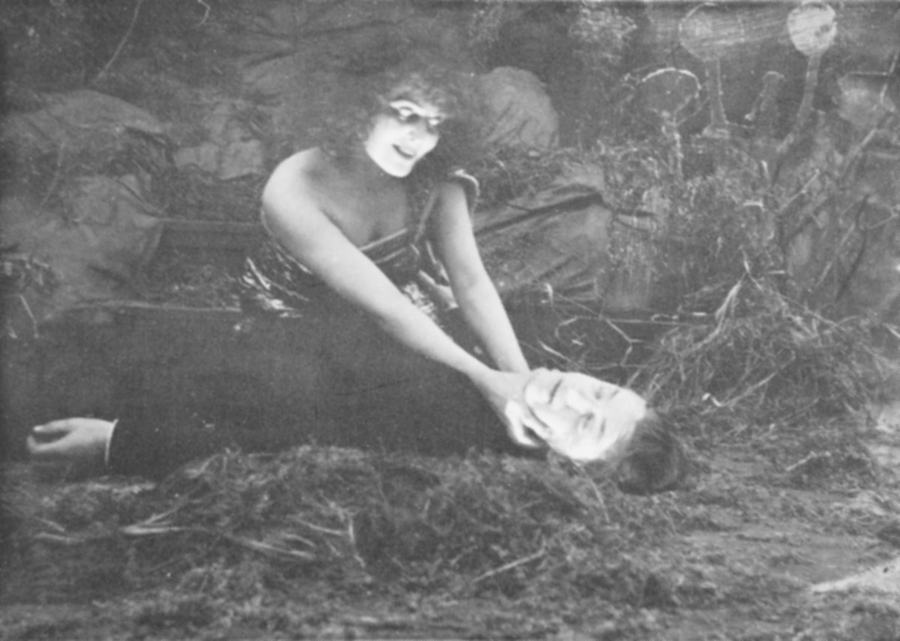
When considering Vampyrdanserinden, it's essential to contextualize it within the broader landscape of early cinema. Films of this period were still experimenting with narrative conventions, moving beyond mere actualities and trick films towards more complex dramatic structures. While not as overtly ambitious in scale as contemporary epics like The Life and Passion of Jesus Christ or Cleopatra, it nonetheless contributed to the development of character-driven drama. Its focus on personal tragedy within an artistic setting offered a different kind of spectacle, one rooted in human emotion rather than grand historical recreation.
The screenwriting by Nikolai Brechling and Waldemar Hansen would have been instrumental in translating the emotional nuances of the plot into a visually comprehensible format. Their work would have involved not just crafting the narrative arc but also devising effective intertitles – the text cards that provided dialogue, exposition, and crucial emotional cues – to bridge the gaps in silent action. The precision of these intertitles, coupled with the actors' performances, formed the backbone of the storytelling. It's a testament to their skill that such a concise plot summary can evoke such a strong sense of impending doom, suggesting a tightly constructed narrative.
While specific details of Vampyrdanserinden's reception might be lost to time, its existence speaks to the universal appeal of dramatic narratives. The themes of ambition, loss, and the unpredictable nature of life resonate across generations and cultures. Films like this laid the groundwork for the rich tapestry of cinematic storytelling that would follow, influencing countless directors and screenwriters. The very act of watching a silent film today requires a different kind of engagement from the viewer, an active participation in deciphering expressions and movements, allowing for a unique, almost meditative, experience.
Comparing it to other works of the era, one might draw parallels with films that explored the darker aspects of human nature or the struggles of individuals against overwhelming odds. For instance, while vastly different in subject matter, the dramatic intensity and focus on individual fate could conceptually align with the tragic romance elements found in later, more elaborate productions like Les amours de la reine Élisabeth, which also relied heavily on powerful performances to convey emotional depth. The commitment to character-driven drama, even within the confines of early filmmaking technology, is a hallmark of these nascent storytelling efforts.
The absence of synchronized sound meant that the musical accompaniment, often performed live in theaters, played an immense role in shaping the audience's emotional response. A skilled pianist or orchestra could elevate the dramatic tension, underscore moments of pathos, or amplify the sense of dread, transforming the visual spectacle into a truly immersive experience. Without this crucial sonic layer, a modern viewing of Vampyrdanserinden, or any silent film, might feel incomplete, underscoring the collaborative nature of early cinematic presentation.
Ultimately, Vampyrdanserinden stands as a testament to the pioneering spirit of early filmmakers and performers. It reminds us that even in the nascent stages of an art form, the capacity for profound storytelling and emotional resonance was already present. The film’s narrative, though simple by contemporary standards, encapsulates a timeless struggle: the artist's dedication to their craft, the unexpected turns of fate, and the tragic consequences that can arise from even the most well-intentioned decisions. The performances by Ingeborg Bruhn Bertelsen and Svend Bille, guided by the vision of Nikolai Brechling and Waldemar Hansen, would have been instrumental in conveying this intricate emotional landscape, turning silent gestures into powerful declarations.
The film’s focus on a specific, evocative dance – the 'Vampire Dance' – also speaks to the era’s fascination with the exotic, the dramatic, and the slightly macabre. This choice of a central artistic piece is not accidental; it provides a powerful visual and thematic anchor for the unfolding tragedy. It’s a reminder that early cinema was not afraid to explore the darker corners of human experience, often using the stage as a metaphor for life itself, where passion and peril dance a dangerous duet. The very title suggests a flirtation with the dangerous, the alluring, and the ultimately destructive, themes that continue to captivate audiences even today.
For those interested in the evolution of cinematic narrative, Vampyrdanserinden offers valuable insights. It’s a piece of history, a snapshot of artistic ambition and storytelling innovation from a time when every film was, in its own way, an exploration of what was possible. Its quiet drama, conveyed through the powerful language of silent performance, serves as a poignant reminder of the enduring human desire to tell stories, to entertain, and to reflect upon the often-bittersweet complexities of existence. The impact of such early works, even if not widely seen today, is woven into the very fabric of modern cinema, each frame contributing to the lexicon of visual storytelling. It’s a rich legacy, indeed, that continues to inform and inspire, proving that some tales, especially those tinged with tragedy and artistic fervor, truly are timeless.
The careful crafting of scenes, the deliberate movements of the actors, and the emotional weight carried by their expressions are what make films like Vampyrdanserinden resonate. It’s a testament to the collaborative genius of its cast and crew – Ingeborg Bruhn Bertelsen, Svend Bille, Axel Boesen, Frederik Christensen, and writers Nikolai Brechling and Waldemar Hansen – that they managed to convey such a compelling narrative with the limited technological tools available. They built bridges between the stage and the screen, paving the way for future generations of filmmakers to explore even grander and more intricate tales. This film, therefore, is not just a story of a dance and its tragic consequences; it is a chapter in the larger story of cinema itself, a silent whisper from the past that still holds power and meaning.
IMDb 3.4
1933
Community
Log in to comment.