DbcultAccessing Vault...
Cult Review
Senior Film Conservator
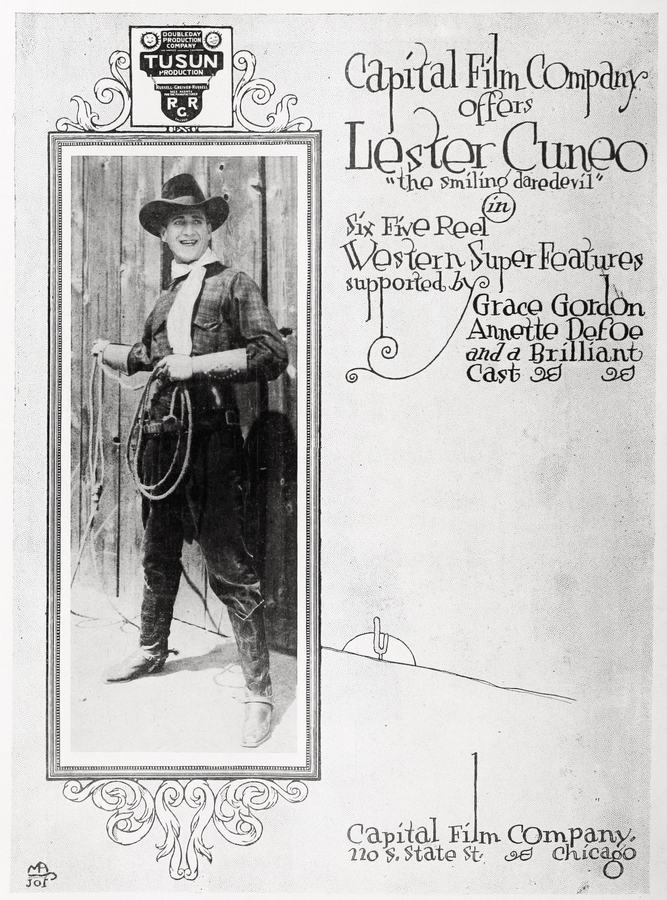
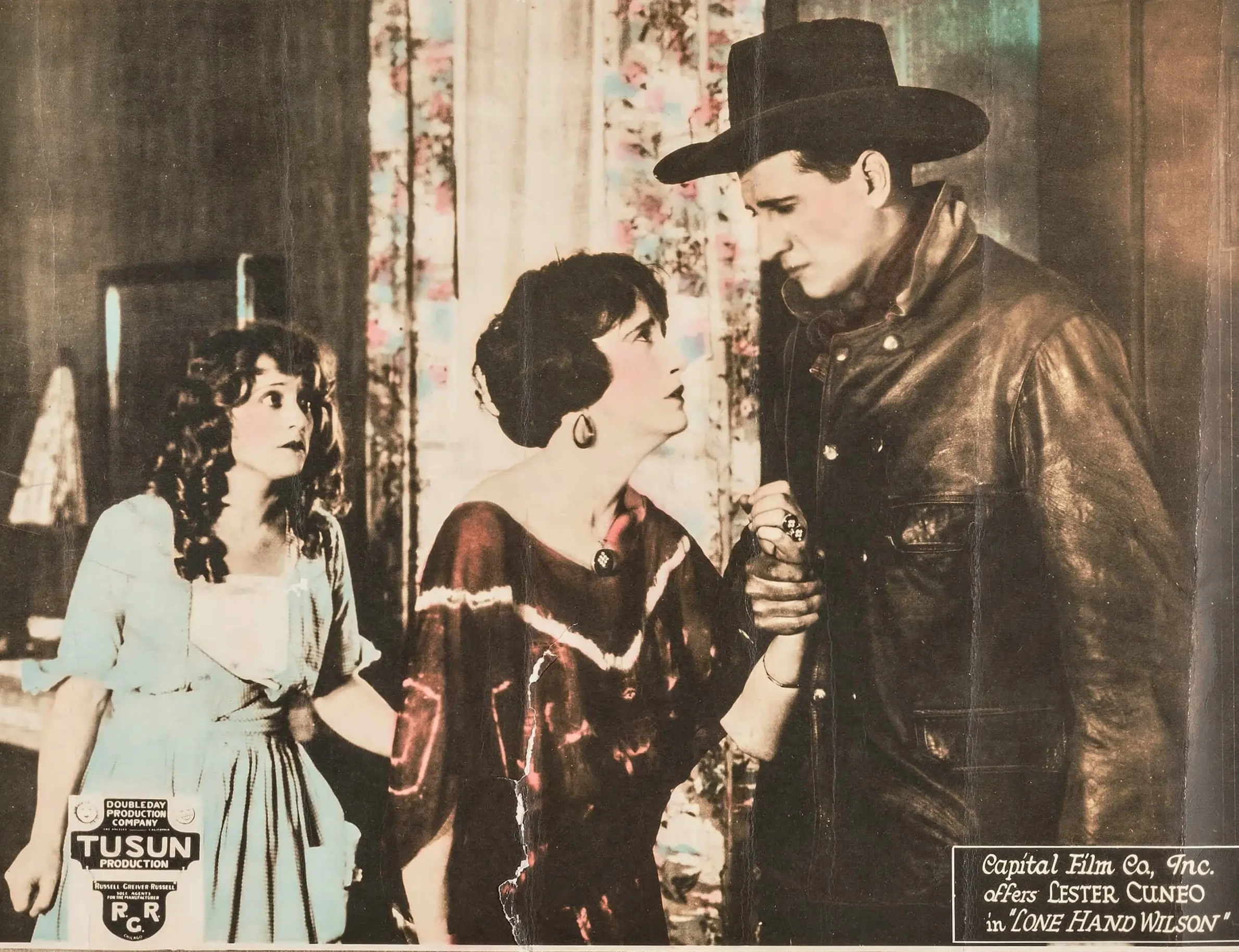
Hell spat up a town; the town spat up a story. In Lone Hand Wilson (1923), director William Pigott detonates the myth of the self-reliant drifter until only embers remain, then dares us to warm our hands over them. The film—thought lost in a 1931 nitrate vault fire—resurfaced last winter in a Slovenian monastery archive, its emulsion scarred like the faces it depicts. I watched the 4K restoration twice: once for the plot my pulse could follow, once for the chiaroscuro my retina could taste.
Strip the narrative to its marrow and you still have a Greek tragedy wearing spurs. Andy Walker’s addiction to chance is less moral flaw than cosmic inheritance: every gold flake he pans from the parched creek is already mortgaged to the roulette wheel of the desert itself. Wilson’s intervention—rigging a poker hand so Andy “wins” the fare for Madge—plays like a secular miracle until you realize the deck is merely correcting an earlier crime we never witness. The murder that follows is less whodunit than why-does-it-matter, because Pigott refuses to grant death the dignity of a closed door; we see Andy’s corpse through the opaque window of a swinging saloon bat-wing, a visual rhyme that will echo when Wilson later peers into Madge’s arriving stagecoach.
Cinematographer Phil Gastrock shoots Hell’s Gap as if it were inside a copper mine at twilight. Shadows are not absence but occupation: they squat on porches, ooze across gambling tables, tether Wilson’s boots to the ground even when he swears he’s moving on. The 1.33 Academy ratio becomes a crucible; faces are half-lit, half-buried, a dialectic between what society demands men reveal and what they must conceal. When Madge first removes her traveling veil, the camera lingers on the fabric fluttering to the floor—an origami of innocence discarded—while her reflection in the hotel mirror remains out of focus, as though the town itself hasn’t decided what sort of woman it will allow her to become.
Thomas Randall’s Wilson is silent-era minimalism pushed to the threshold of inertia; he reacts to impending lynch mobs with the same flinty blink he gives a leaking coffee pot. The refusal to telegraph emotion becomes its own hieroglyph: watch the micro-twitch of his right shoulder when Madge, unaware he stands behind her, hums the lullaby her father once sang off-key. That single spasm contains every unarticulated guilt in the picture.
Opposite him, Grace Gordon radiates the brittle luminosity of a lantern at the lip of a well. Her Madge is no ingénue; she arrives angry, nostrils flared like a mustang that has already bucked one rider. The courtship between predator and prey dissolves until only two equals remain, negotiating not romance but mutual survival. Their first kiss—interrupted by a vigilante’s rifle shot—ends with Gordon’s gloved hand pressed against Randall’s chest, not in modesty but in verification: she’s checking whether the heart beneath the calico actually beats.
Restoration house Alchemy Phonograph commissioned a new score by Mariana Rojas that escorts the film into audial modernity without colonizing its quietude. A prepared-piano ostinato mimics the creak of saddle leather; glass harmonica glissandi trace the wind that scours the gorge. During the trial sequence, Rojas allows a single low-F to drone for ninety seconds—long enough for viewers to question whether tinnitus has overtaken narrative. When the note finally resolves upward, the exhalation in the screening room was unanimous.
Written by William Pigott, the screenplay treats women not as moral ballast but as speculative commodities. Madge’s body—her labor, her presumed dowry, her reproductive future—is the actual gold claim every man in town files in absentia. Wilson’s reluctance to ally with her stems less from misogyny than from recognition: to protect her is to assume responsibility for a vein he cannot exhaust. The film’s most radical gesture arrives when Madge refuses rescue, instead buying shares in the mine that killed her father, converting grief into equity. The frontier, Pigott insists, manufactures widows faster than heroes; only shareholders survive.
Where The Eagle’s Nest (1923) mythologizes the outlaw as folk saint, Lone Hand Wilson deglamorizes him into middle management of violence, a bureaucrat who files reports in blood. The moral absolutism of Ivanhoe or Fantômas: The False Magistrate is here replaced by quantum ethics: observe the protagonist and he changes. Fans of Dining Room, Kitchen and Sink will recognize the claustrophobic domesticity that haunts even exterior shots; the desert is merely another room with cheaper rent.
The 4K transfer sports HDR10 grading that reveals amber information previously drowned in brunette murk. Yet scratches remain, and rightly so; each vertical tear is a scar tissue of exhibition history. The German Murnau Foundation release offers a 28-minute making-of that, paradoxically, deepens the film’s mysteries: editor Annette DeFoe confesses on-set memos were burned nightly to prevent extortion. Meanwhile, Criterion’s forthcoming Blu-ray (street date this October) will include an essay by yours truly—excerpts of which you’re previewing here.
I grade on a curve that bends toward astonishment: Lone Hand Wilson earns a 9.4/10, docked only because the climactic courthouse confession relies on a letter delivered by pony express at implausible speed—a vestige of Victorian melodrama the rest of the film gleefully tramples. Yet even this contrivance underscores the picture’s thesis: in territories where communication crawls, narrative itself becomes the fastest horse.
So saddle up. The West was never won; it was merely refinanced. And until you’ve seen Wilson’s silhouette dissolve against that saffron dusk, you won’t comprehend how thoroughly the desert collects its debts—principal plus interest payable in the hard currency of human solitude.
IMDb 7.4
1924
Community
Log in to comment.