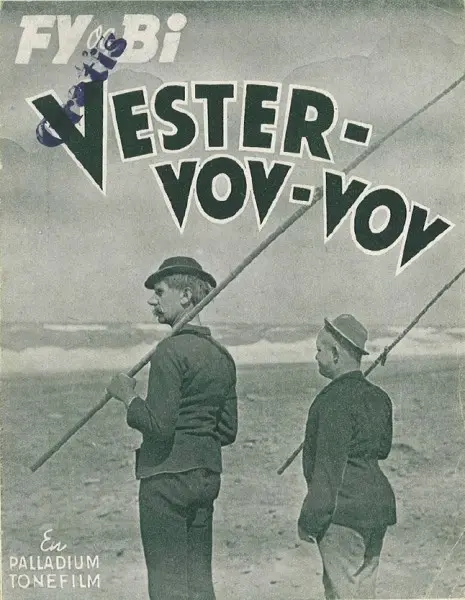
A definitive 6.5/10 rating for a film that redefined the boundaries of cult cinema. Vester Vov-Vov remains a cornerstone of transgressive art.
Is Vester Vov-Vov Worth Watching Today? A Deep Dive into a Silent Era Classic
Is Vester Vov-Vov worth watching today? Short answer: yes, but with significant caveats that demand a certain appreciation for the nuances of early cinema. This Danish silent comedy, while undeniably a product of its time, offers a fascinating glimpse into the nascent stages of cinematic storytelling and the enduring appeal of physical comedy.
It's a film for those who cherish the historical lineage of cinema, who find joy in the foundational performances that shaped an art form, and who possess the patience to immerse themselves in a narrative told without dialogue. Conversely, it is decidedly not for viewers seeking rapid-fire pacing, complex character arcs, or the sophisticated narrative structures common in contemporary film. If you struggle with the conventions of silent movies, the deliberate tempo of Vester Vov-Vov might test your patience.
This film works because of the undeniable, almost alchemical, chemistry between its central comedic duo, Pat and Patachon, whose performances transcend the limitations of the silent medium.
This film fails because its plot, while charmingly simple, often feels overtly simplistic and predictable, even by silent film standards, relying heavily on comedic tropes that have since been refined or abandoned.
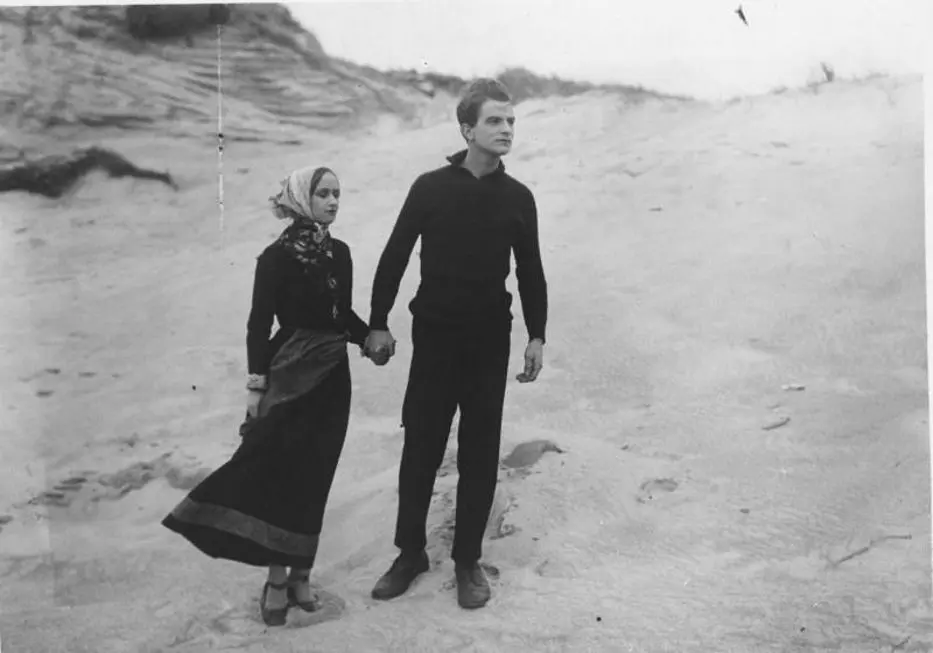
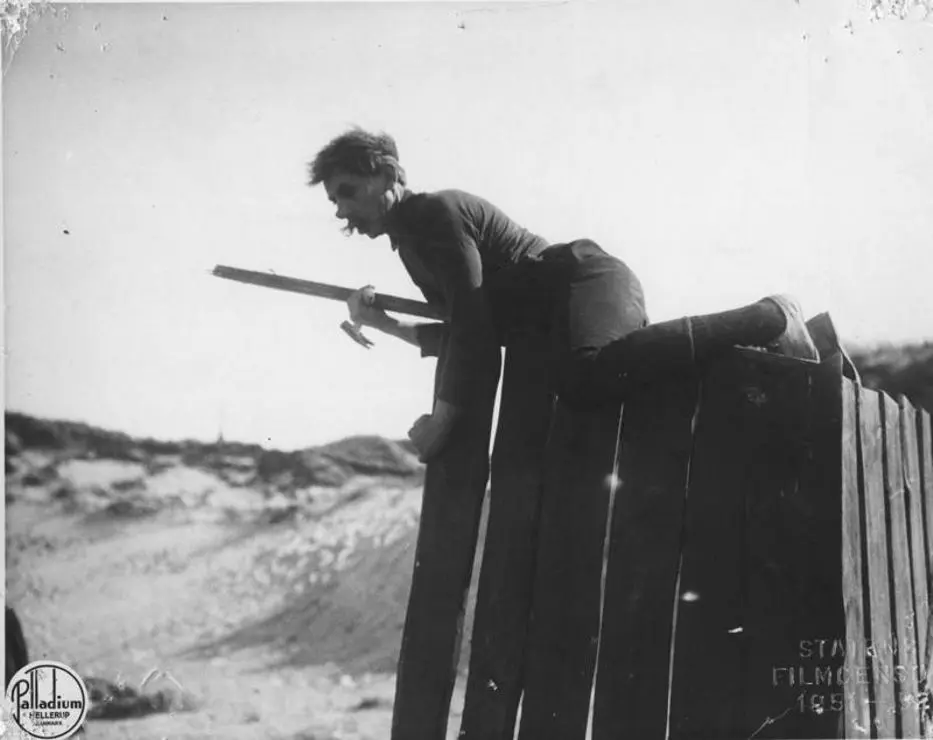
Scene from Vester Vov-Vov
Cinematic perspective: Exploring the visual vocabulary of Vester Vov-Vov (1927) through its definitive frames.
You should watch it if you are a dedicated student of film history, a silent film aficionado, or someone interested in the origins of slapstick comedy and the unique cultural footprint of Danish cinema in the 1920s.
The allure of Vester Vov-Vov lies less in its groundbreaking narrative and more in its historical significance and the magnetic presence of its stars. It stands as a testament to the power of non-verbal storytelling, reminding us that laughter and empathy can bridge the gap of time and language. The film isn't just a relic; it's a living piece of cinematic heritage, offering insights into the comedic sensibilities and social mores of a bygone era.
The Enduring Charm of Pat & Patachon: A Masterclass in Silent Comedy Acting
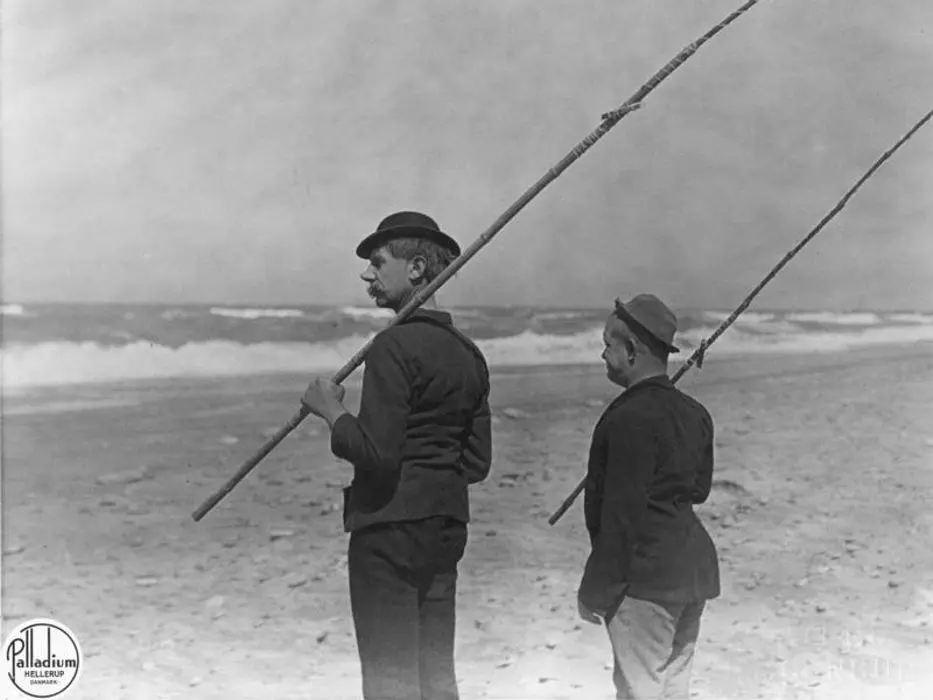
The heart and soul of Vester Vov-Vov unequivocally rest on the shoulders of Carl Schenstrøm as Pat and Harald Madsen as Patachon. Their iconic pairing, a staple of Danish and European silent cinema, is fully on display here. Pat, the tall, gangly, perpetually bewildered figure, and Patachon, the short, portly, mischievous one, create a dynamic that feels both timeless and deeply specific to their era.
Their acting, characterized by broad physical comedy and exaggerated facial expressions, is precisely what the silent medium demanded. Schenstrøm’s ability to convey confusion and gentle despair through a simple tilt of his head or a slow blink is masterful. Madsen, on the other hand, embodies a more active, impish spirit, often initiating the duo's comedic predicaments with a knowing smirk or a furtive glance.
Scene from Vester Vov-Vov
Cinematic perspective: Exploring the visual vocabulary of Vester Vov-Vov (1927) through its definitive frames.
Consider the scene where they first encounter the distraught Karin, perhaps near a city park bench. Pat’s initial reaction is one of awkward sympathy, his long limbs seeming to get in his own way as he tries to offer comfort. Patachon, meanwhile, might be seen subtly attempting to pickpocket a discarded newspaper, only to be caught by Pat’s elbow, leading to a silent, comical exchange of disapproving glares and feigned innocence. This subtle interplay, devoid of dialogue, is where their genius truly shines.
Their performances are not just about gags; they imbue their characters with a genuine warmth and benevolence that makes their intervention in Karin and Tom's romance believable. You root for them not because they are heroes in the conventional sense, but because they are fundamentally good-natured souls stumbling through life with an admirable commitment to helping others. It’s a testament to star power over complex narrative depth, a common yet often effective strategy in early filmmaking.
The supporting cast, including Emma Wiehe as Karin and Georg Busch as Tom, fulfill their roles adequately, embodying the earnest innocence of young lovers. However, they are largely overshadowed by the magnetic pull of Pat and Patachon. Karin Nellemose, as Karin's father, delivers the necessary sternness, though his characterization rarely moves beyond the archetypal disapproving parent. It's a functional ensemble, but the spotlight is never truly shared.
A Simple Love Story, Complicated by Class: Themes and Narrative Structure
The plot of Vester Vov-Vov is straightforward, almost archetypal: young love thwarted by paternal opposition, rescued by an external, benevolent force. This simplicity is both a strength and a weakness. On one hand, it allows the film to focus on the comedic antics of Pat and Patachon without getting bogged down in intricate subplots. On the other, it means the emotional stakes, while present, never quite reach the soaring heights found in more dramatic silent features like A Sainted Devil or even the more adventurous Captain Alvarez.
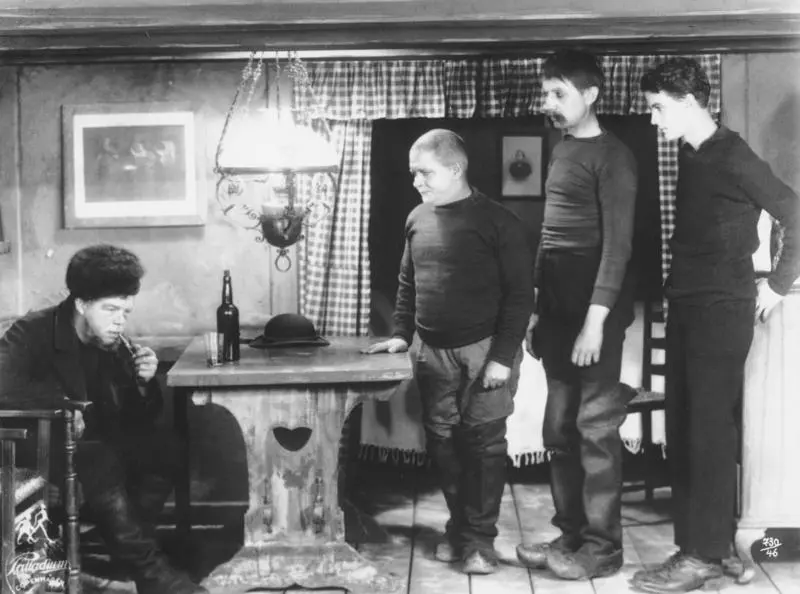
Scene from Vester Vov-Vov
Cinematic perspective: Exploring the visual vocabulary of Vester Vov-Vov (1927) through its definitive frames.
The central conflict, Karin's father's disapproval of Tom, hints at underlying class distinctions, a common theme in early 20th-century narratives. While not explicitly stated, the implication is that Tom, perhaps lacking the financial standing or social pedigree desired by Karin's father, is deemed an unsuitable match. Pat and Patachon, as tramps, occupy the lowest rung of this social hierarchy, yet paradoxically become the agents of change, demonstrating that kindness and ingenuity can bridge divides that wealth cannot.
The narrative unfolds with a series of episodic encounters, typical of silent comedies. Pat and Patachon stumble into the lovers' plight, concoct various schemes (likely involving disguises, mistaken identities, or physical mishaps) to bring the father around, and ultimately succeed through a blend of luck and their own peculiar charm. This structure, while predictable, provides ample opportunities for their comedic routines.
One could argue that the film inadvertently highlights the precariousness of social mobility more than it champions true love. The lovers' fate hinges on the whims of an elder and the accidental intervention of outsiders, rather than their own agency. It’s a slightly unsettling observation, but one that adds a layer of unexpected depth to an otherwise lighthearted tale. The film, in its own way, reflects the societal anxieties of its period.
Directing and Cinematography: A Glimpse into the Past
Lau Lauritzen, credited as one of the writers and likely heavily involved in the direction, crafts a film that, while not groundbreaking, is competent for its era. The direction is functional, prioritizing clear storytelling and showcasing the stars. There are no elaborate tracking shots or complex mise-en-scène; instead, the camera largely remains static, allowing the actors' performances and the physical comedy to take center stage.
Scene from Vester Vov-Vov
Cinematic perspective: Exploring the visual vocabulary of Vester Vov-Vov (1927) through its definitive frames.
Cinematography, characteristic of the 1920s, focuses on establishing shots to convey location – be it a bustling street scene (likely a studio backlot or a carefully chosen exterior) or the interior of a domestic setting. Close-ups are employed sparingly, usually to emphasize a character's emotional reaction or a crucial comedic beat. For instance, a close-up on Pat’s face as he processes a particularly absurd instruction, his eyes widening in disbelief, effectively communicates his internal state without the need for intertitles.
Lighting is generally flat, ensuring visibility, but there are moments where natural light or simple studio setups create a sense of atmosphere. A scene set in a dimly lit attic or a moonlit garden, for example, might use stark contrasts to evoke a sense of mystery or romance, even if rudimentary. This approach, while basic by modern standards, was effective in conveying emotion and setting within the technical constraints of the time.
The visual language of silent film is a nuanced one, often relying on exaggerated gestures, detailed sets, and the clever use of intertitles to bridge narrative gaps. Vester Vov-Vov adheres to these conventions, making it a valuable historical document for understanding the visual grammar that preceded sound cinema. It’s not an experimental film like some of its contemporaries, but rather a solid example of mainstream silent comedy.
Pacing and Tone: The Rhythms of Silent Cinema
The pacing of Vester Vov-Vov is deliberate, a hallmark of silent cinema. Modern audiences accustomed to rapid cuts and constant narrative propulsion might find it slow. However, within its own context, the pacing allows for the full development of comedic situations and the emotional beats of the love story. Gags are allowed to breathe, building slowly to their punchline, often relying on repetition or a gradual escalation of absurdity.
Scene from Vester Vov-Vov
Cinematic perspective: Exploring the visual vocabulary of Vester Vov-Vov (1927) through its definitive frames.
Consider a sequence where Pat and Patachon attempt to 'spy' on Karin's father. The scene might involve them clumsily hiding behind potted plants, peeking over fences, or accidentally knocking over objects, each beat unfolding with a measured rhythm designed to elicit sustained chuckles rather than explosive guffaws. This unhurried approach is integral to the film's comedic style and its overall charm.
The tone is overwhelmingly lighthearted and optimistic, even when dealing with the lovers' initial despair. There's a fundamental belief in the triumph of good intentions and the power of love that permeates every frame. This optimistic worldview is a comforting aspect, especially when viewed through a modern lens, offering a nostalgic escape to a simpler narrative world. It’s a feel-good film, plain and simple.
The film’s humor is largely slapstick, relying on physical comedy, visual gags, and misunderstandings. While some of these gags may feel dated to contemporary viewers, others possess a universal quality that still resonates. The enduring appeal of Pat and Patachon, much like Chaplin or Keaton, lies in their ability to translate universal human foibles into visually engaging comedy. It works. But it’s flawed.
Is This Film Worth Watching?
Yes, Vester Vov-Vov is absolutely worth watching for specific audiences. It serves as an excellent entry point into Danish silent cinema and the careers of Pat and Patachon. For those interested in the evolution of comedy, it offers valuable insights into early slapstick. Film students will find it a useful case study for understanding silent film conventions. Casual viewers, however, might struggle with the lack of dialogue and the slower pace. It requires a willingness to engage with a different kind of storytelling, but the rewards are a charming, historically rich experience.
Key Takeaways
Best for: Silent film enthusiasts, students of film history, fans of classic physical comedy, those interested in early Danish cinema.
Not for: Viewers seeking fast-paced action, complex narratives, modern humor, or those unfamiliar with silent film conventions.
Standout element: The unparalleled comedic chemistry and heartwarming performances of Carl Schenstrøm (Pat) and Harald Madsen (Patachon).
Biggest flaw: A highly predictable plot and a narrative simplicity that, while charming, lacks significant dramatic tension or originality.
Pros and Cons
Pros:
Iconic Performances: Pat and Patachon are a joy to watch, their physical comedy and heartwarming presence elevating the entire film. Their legacy is undeniable, and this film showcases why.
Historical Significance: A valuable artifact of Danish and European silent cinema, offering a window into the era's storytelling and comedic styles. It contributes to understanding the broader cinematic landscape that includes films like Protéa and True Blue.
Charming Tone: The film exudes a gentle, optimistic charm that makes it an easy, feel-good watch, despite its age. It’s a cinematic comfort food.
Accessible Silent Film: For those new to silent cinema, its clear narrative and engaging protagonists make it a relatively easy entry point compared to more abstract or avant-garde works.
Cons:
Predictable Plot: The love-story-with-obstacles premise offers few surprises, even for its time. The resolution is telegraphed early on.
Dated Humor: While some gags are timeless, others rely on comedic conventions that may not land with a modern audience, feeling slow or overly simplistic.
Limited Depth: Character development beyond Pat and Patachon is minimal, and thematic exploration, while present, is not deeply profound. It’s a surface-level narrative.
Technical Limitations: As a film from the 1920s, it naturally exhibits the technical constraints of the era in terms of cinematography, editing, and overall production value, which might deter viewers accustomed to modern polish.
Verdict
Vester Vov-Vov is more than just a historical curiosity; it's a delightful, if undemanding, piece of silent cinema that showcases the undeniable star power of Pat and Patachon. While its plot is as simple as they come and its humor occasionally dated, the sheer charm and benevolent spirit of its protagonists carry the film with ease. It's a testament to the fact that compelling performances can transcend technical limitations and narrative simplicity. This isn't a film that will challenge your perceptions of cinema or leave you pondering deep philosophical questions, but it will undoubtedly leave a smile on your face.
For those willing to adjust their expectations to the rhythms of a bygone era, Vester Vov-Vov offers a heartwarming and genuinely amusing experience. It's a valuable historical document, a charming slice of Danish cinematic heritage, and a gentle reminder of the universal appeal of two good-hearted fools trying to make the world a little brighter. It's not a masterpiece, but it's a worthy watch for the right audience, a comforting echo from a time when laughter was forged in silence and expressed through grand, expressive gestures.