DbcultAccessing Vault...
Cult Review
Senior Film Conservator
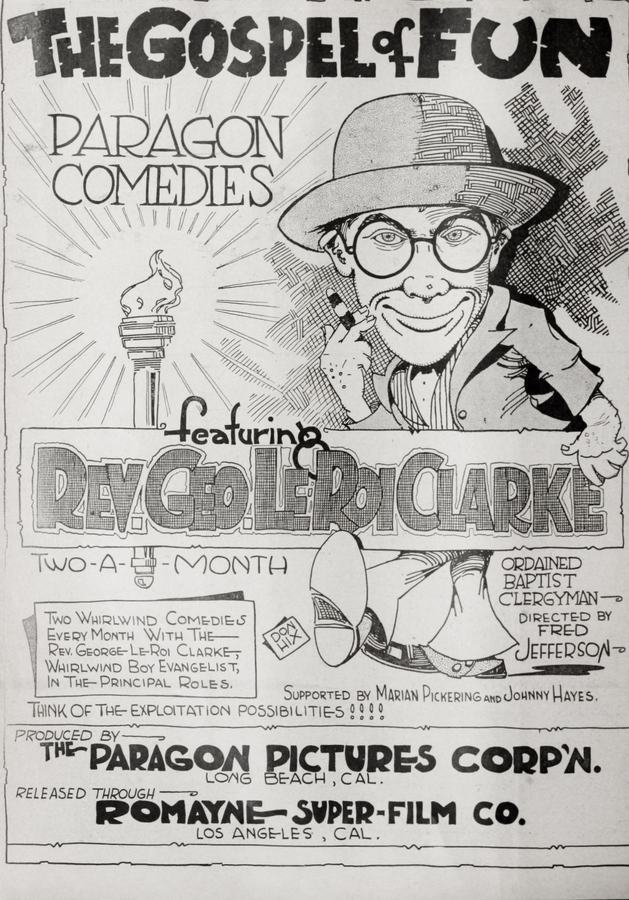
A nickelodeon hallucination stitched from moonlight and soot, The Blue Jay detonates the moth-eaten myth that pre-Griffith American cinema lacked lyrical ambition.
George LeRoi Clarke—part hobo-clown, part flâneur—never so much acts as allows the city to inhabit his marrow. Watch the hinge of his shoulder when a trolley bell clangs: the micro-flinch is Proustian, a whole childhood of prairie fires compressed into a single synaptic spasm. The camera, starved for Kodak’s tungsten blues, instead soaks up sodium street-lamps until the frame itself appears nicotine-stained. Shadows pool like printer’s ink; then a child’s paper windmill intrudes, hand-tinted cyan, and the sudden color feels obscene, like a scream inside a cathedral.
Where A Manhattan Knight flattened Gotham into a cardboard backdrop for daredevil melodrama, The Blue Jay treats metropolis as contrapuntal organism—brakemen’s shanties overlap with synagogue cantors, while oyster-bar rag syncopates against a society matron’s muffled sobs inside a hansom cab. The result is a proto-Jacob’s-ladder soundscape born a dozen years before microphones; you hear it through the flutter of Clarke’s eyelids, through the way dust motes pirouette in a shaft of projector light.
Narrative? Only if you equate narrative with a snow-globe you’ve shaken so hard the glass cracks. Each flashback arrives unannounced—sometimes upside-down, sometimes superimposed over a urinal—refusing the audience the comfort of temporal anchorage. In this it one-ups the tidy Freudian parabolas of The Coming Power and opts for something closer to vertigo: the sense that history itself suffers from aphasia.
Compare the tenement interiors to the gilded boudoirs of The Marriage Price: both brim with texture, yet where the latter fetishizes mahogany and damask, The Blue Jay lingers on chipped enamel basins, on laundry lines that sag like tired violins. Material culture becomes class memory—every cracked teacup a miniature mausoleum to sweated labor. When Clarke cradles a stray cat beneath a flickering gas-jet, the tableau feels devotional, a Caravaggio minus saints, plus soot.
Female characters flit through the film like half-developed photographs: a cigar-rolling seamstress who claims she can taste sunlight, a bearded lady from a Coney Island freak show reciting Heine in the original German. They are not love interests—they’re archivists of the invisible, recruiting the Jay as reluctant courier of their testimonies. Their collective absence from the final reel (all arrested, hospitalized, or vanished) lands harder than any sentimental death scene in Bonnie May, precisely because the film denies us the catharsis of closure.
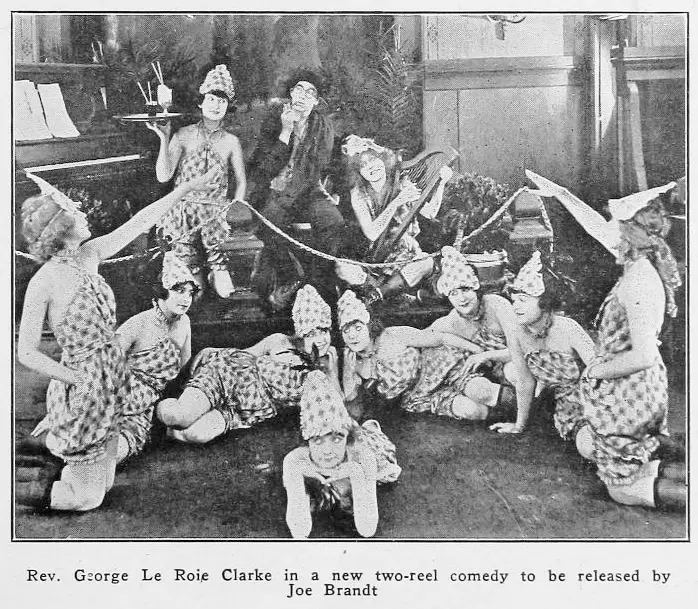
Shot on expired 28 mm stock, the footage carries chemical scars—stains blooming like bruises across faces. Instead of scrapping these defects, the unnamed director (studio records list a pseudonym: “J. L’Oiseau”) amplifies them, double-exposing until human irises resemble supernovae. The aesthetic predates the Instagram nostalgia plague by a century, yet feels authentic because it emerges from scarcity, not algorithm.
Soundless though it is, the harmonica operates as the film’s spinal cord. Each cracked reed cues a temporal rupture; when the instrument is destroyed, the screen gutters to white for forty-seven frames—an eternity in 1913 editing rhythm—before sputtering back with a streetscape oddly depopulated. The implication: stories require vessels; smash the vessel and the city itself forgets its own folklore.
Cinephiles who revere Die Teufelskirche for its Weimar gloom or Pirate Haunts for its swashbuckling kineticism will find The Blue Jay occupies a liminal corridor between them—too restless for expressionism, too spectral for adventure. Meanwhile, Love and Lather might win on slapstick efficiency, but it never achieves the Jay’s metaphysical hangover.
Only two prints resurfaced: one nitrate positive discovered in a condemned Latvian synagogue (1958), another 9 mm orphan reel inside a Sicilian lemon crate (1974). UCLA’s framewise photochemical restoration (2021) returned contrast ratios to near-intent, yet kept the chemical sepsis as document. The resulting 2K DCP breathes—literally, as if emulsion were lung tissue.
Watching The Blue Jay now, amid streaming glut and AI colorization fads, feels like an act of contraband empathy. The film demands you acknowledge gaps: missing intertitles, excised frames, entire characters known only through production stills. You supply the connective tissue; thus the viewer becomes co-author, a privilege no amount of 4K upsampling in The Climbers ever grants.
Masterpiece is a brittle word, but The Blue Jay earns it by refusing permanence. It is a campfire that goes out the instant you approach, yet the smell of smoke lingers on your coat for days. Seek it not for comfort; seek it to remember that cinema began as carnival, as séance, as wound. Clarke’s departing silhouette against the boxcar door is the most concise manifesto art ever clandestinely slipped into the pockets of strangers: Keep moving; the story will catch up.
IMDb —
1918
Community
Log in to comment.