DbcultAccessing Vault...
Cult Review
Senior Film Conservator
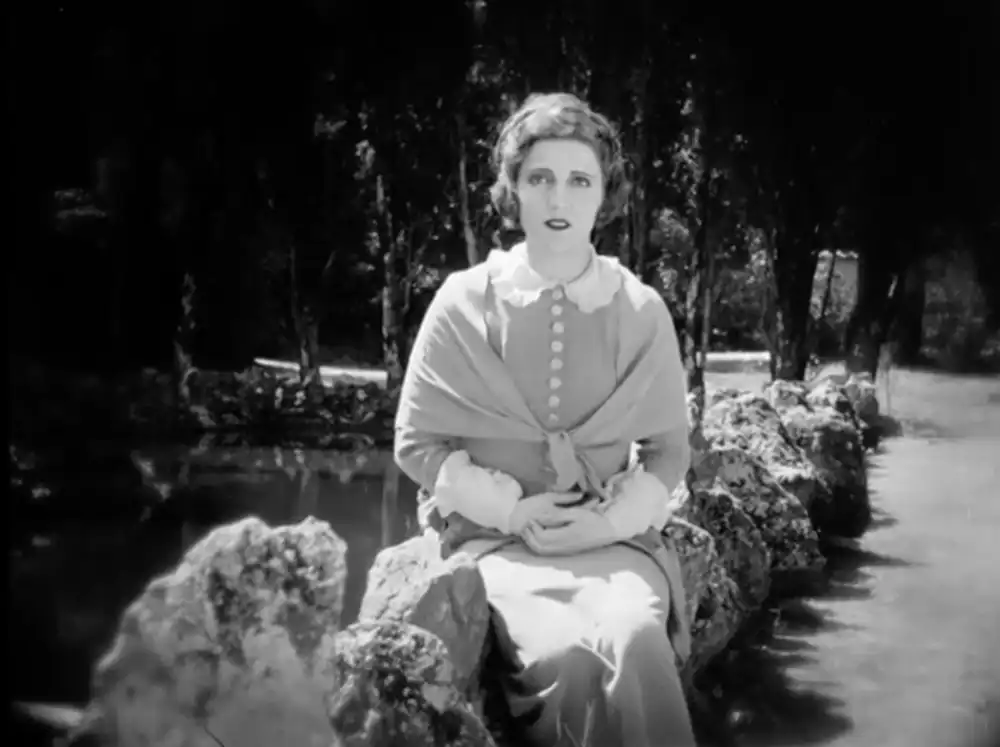
So, Villa Falconieri... is it one for your watchlist today? Honestly, probably not for everyone. If you’re into the quiet, slightly meandering rhythm of old films, especially those with some gorgeous Italian backdrops, you might find something to appreciate here.
However, if you need a plot that moves at a clip or characters who make rational decisions, you might just find yourself a bit bored. This one is really for the patient viewer, someone who enjoys a story unfolding rather than rushing.
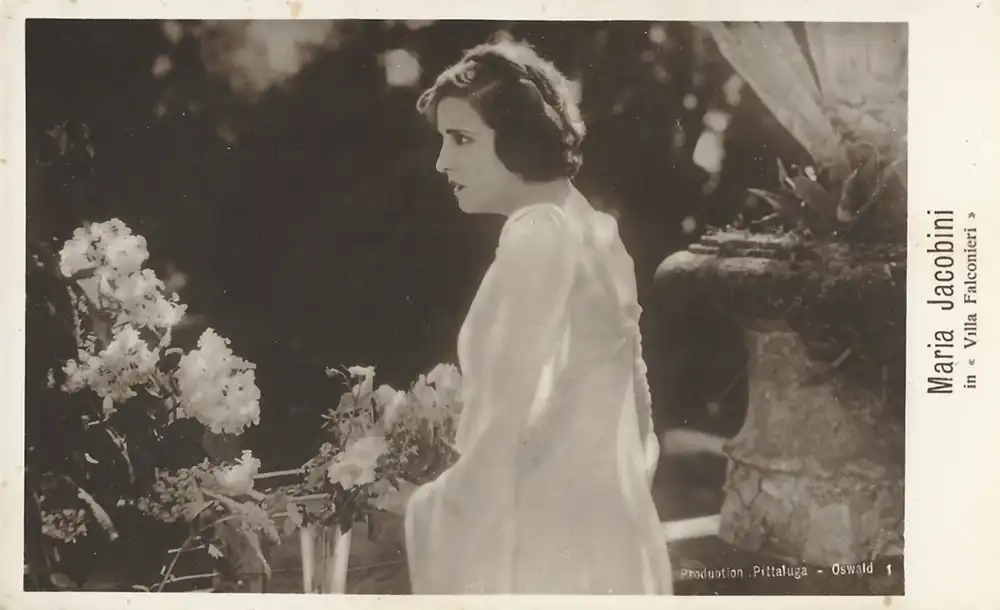
We meet Count Campana, our poet, who decides to snap up this big villa. His initial motivation is quite... *noble*, you could say. He’s quite taken with Maria, the farmer’s wife, who seems to be having a rough go of it with her husband, Mariano. You can practically see the pity in his eyes.
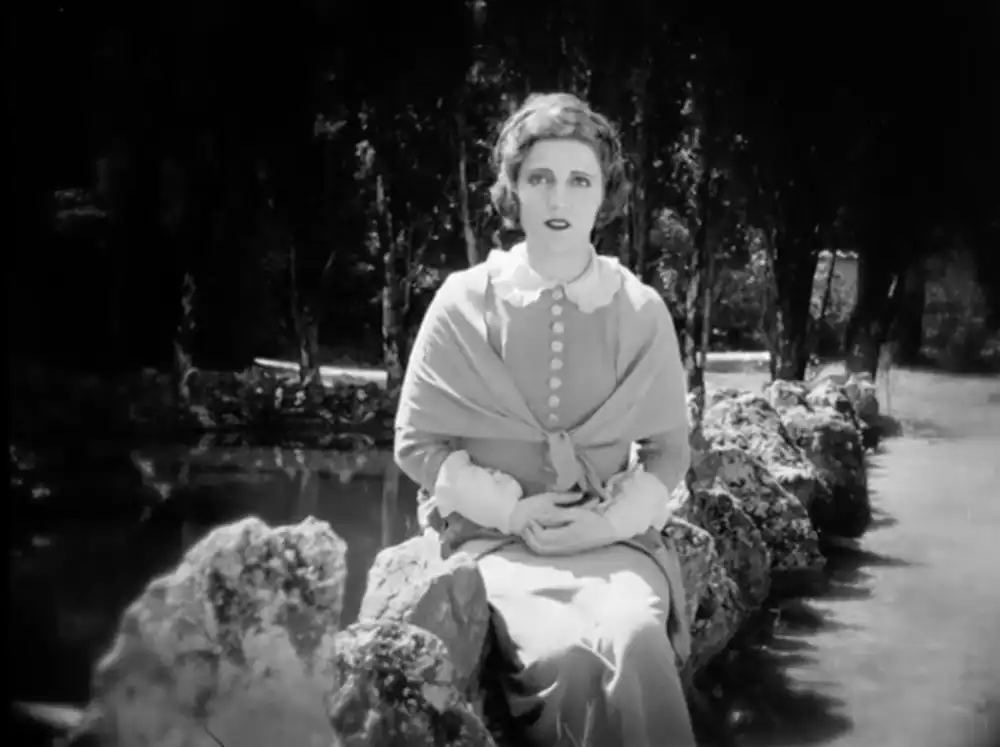
Maria, played by Maria Jacobini, has this really expressive face. You see her weariness, even when she's not saying much. There's a scene where Mariano just dismisses her, and she just *deflates* right there, you feel it.
But then, enter Princess Sora. She’s Campana’s neighbor, and boy, does she change the whole mood of the film. Sora is this light-hearted, almost breezy character, all charm and quick wit.
You watch Campana, who’d been so focused on Maria’s plight, just completely pivot. It’s almost comical how quickly his affections shift. He’s a bit fickle, our poet, but it feels very human, doesn't it? Like falling for the shiny new thing.
Hans Stüwe as Campana has this earnestness about him, even when he’s being a bit of a scatterbrain. He wears his heart on his sleeve, which makes him somewhat endearing, despite the sudden change of heart. You sort of root for him, even if you’re shaking your head a little.
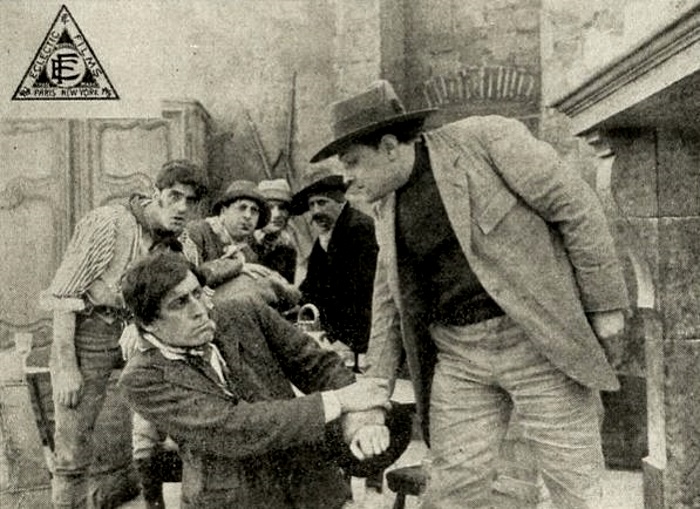
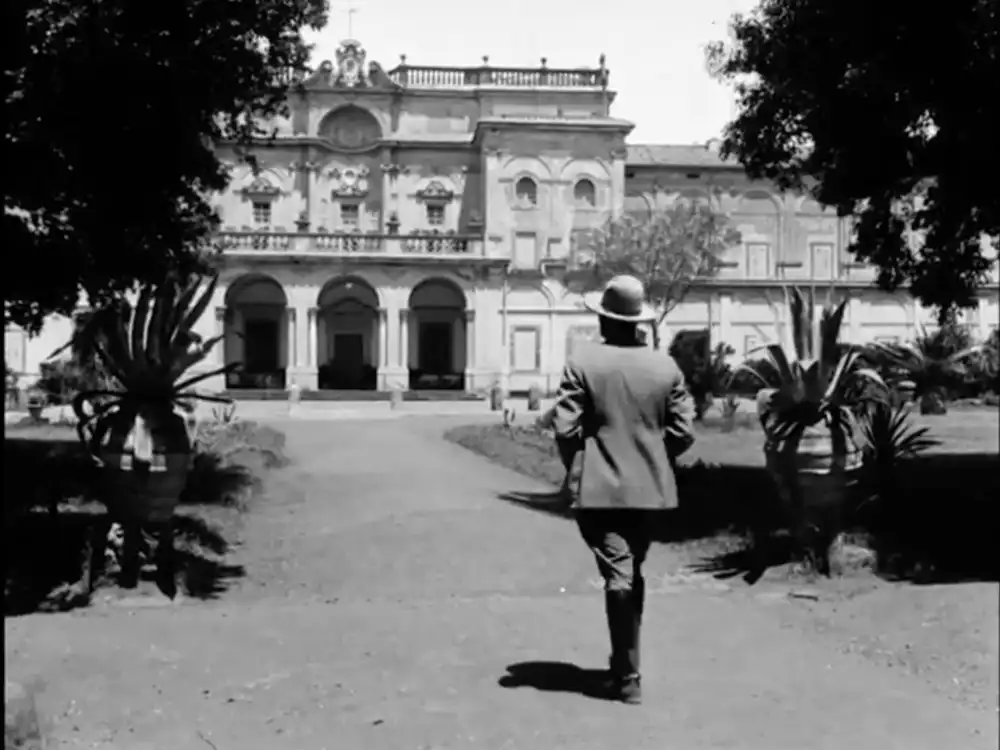
The estate itself, the Villa Falconieri, feels like a character too. All those sprawling gardens and old stone walls. You get a real sense of place, of history just sitting there, watching all these human dramas unfold.
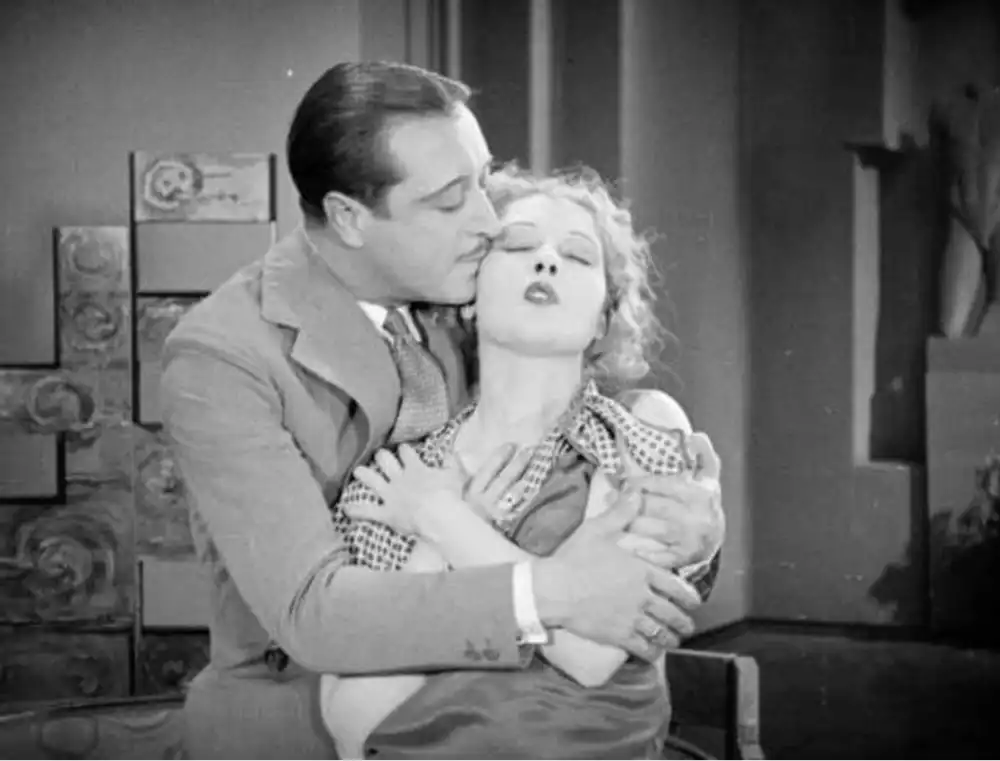
The film takes its time, which can be both a strength and a weakness. There are long stretches where not a whole lot of *action* happens, but you’re just soaking in the atmosphere. The camera loves those wide shots of the countryside, the Roman light.
Sometimes a scene goes on just a touch too long, lingering on a sunset or a character's pensive look. You can almost feel the movie telling you, "this moment matters, really."
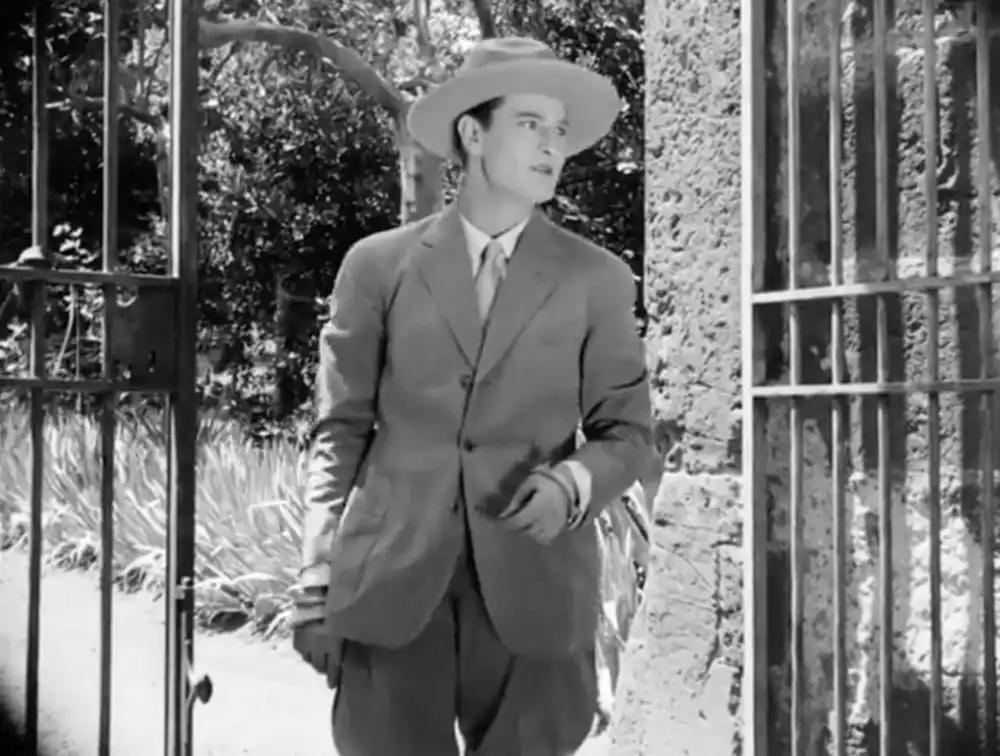
Mariano, Maria’s husband, is kind of a grump. He’s not a villain, not really, but he’s just... unpleasant. You understand why Maria might be drawn to Campana's kindness, however fleeting it turns out to be. Angelo Ferrari plays him with this heavy, almost sullen presence.
The whole thing feels a bit like a stage play sometimes. The way characters interact, the dramatic declarations. It has that classic, almost theatrical feel, which I quite enjoyed.
One small thing I noticed: the costumes are just lovely. Really helps you get into that old-world feel. Maria's simple dresses versus Sora's more elegant outfits, it tells a little story all on its own.
It’s a gentle film, maybe a little *too* gentle for modern tastes. It's less about grand, sweeping gestures and more about subtle shifts in feeling and loyalty. It leaves you with a quiet sense of... well, what might have been.
Is it a masterpiece? Probably not. Is it a charming, slightly flawed piece of cinematic history? Absolutely. It's a peek into a different era of storytelling, where emotions were often conveyed through lingering glances and the weight of silence. 🎬
IMDb 6.3
1937
Community
Log in to comment.