DbcultAccessing Vault...
Cult Review
Senior Film Conservator
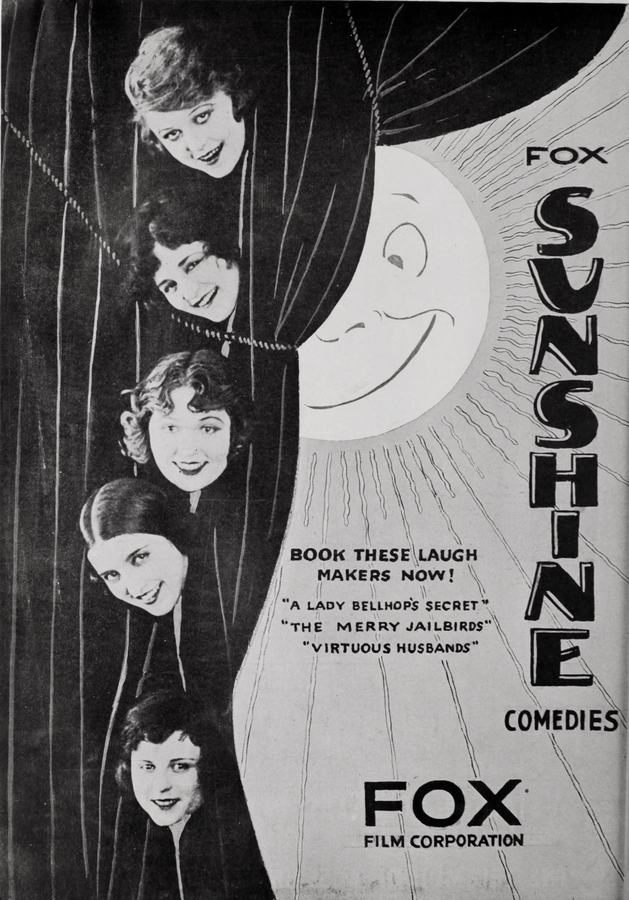
Virtuous Husbands opens with a sun‑drenched tableau of Main Street, where Jack Cooper (Jack Cooper) meticulously arranges bottles of elixirs behind his pharmacy counter. The camera lingers on his practiced hands, a visual metaphor for the control he exerts over his orderly world. Yet the serenity is shattered when Eleanor (uncredited) requests his presence at the town’s annual Charity Gala, a gathering that promises both social prestige and a test of marital fidelity. The narrative swiftly pivots as Jack’s well‑meaning friend, the lanky farmhand Slim Summerville (Slim Summerville), volunteers to assist, inadvertently setting the stage for a cascade of comedic mishaps.
The first complication arrives in the form of a misdirected love letter intended for the charismatic troupe leader, Miss Lila Marlowe, but mistakenly slipped into Jack’s pocket. The letter’s florid prose, laden with promises of midnight trysts, fuels a town‑wide rumor mill that threatens to tarnish Jack’s spotless reputation. Simultaneously, a barrel of moonshine—mistaken for a medicinal tincture—finds its way into the charity dinner’s punch bowl, turning the genteel soirée into a raucous spectacle. The film’s pacing, a deft blend of slapstick and situational irony, mirrors the chaotic rhythm of a jazz improvisation, each beat punctuated by Slim’s clumsy interventions.
Jack Cooper delivers a performance that oscillates between stoic dignity and frantic desperation, embodying the archetype of the "everyman" thrust into extraordinary circumstances. His nuanced facial expressions—subtle furrowing of brows, fleeting glances toward Eleanor—convey a depth that transcends the silent medium. Slim Summerville, on the other hand, revels in physical comedy, his lanky frame a canvas for exaggerated pratfalls and exaggerated gestures. The chemistry between the two actors is palpable; their timing, especially during the barn‑dance sequence, showcases a mastery of comedic rhythm reminiscent of the duo in Little Jack. Both actors harness the expressive potential of mime, allowing the audience to infer emotional subtext without a single spoken word.
The director—whose name remains lost to history—employs a visual palette that juxtaposes the stark blackness of night scenes with the warm glow of lanterns, underscoring the thematic tension between concealment and revelation. The use of deep‑focus shots during the charity dinner allows the audience to absorb the bustling crowd while keeping Jack’s internal turmoil in sharp relief. Notably, the barn‑dance climax utilizes a rotating camera, a daring technique for its era, that spins the viewer into the vortex of chaos, mirroring the characters’ spiraling loss of control. This inventive cinematography finds a kinship with the kinetic energy observed in The Battle of Shiloh, albeit applied to a comedic rather than martial context.
Released in the twilight of the silent era, Virtuous Husbands occupies a liminal space between slapstick tradition and the emergent narrative sophistication that would soon dominate talkies. Its reliance on visual humor aligns it with the oeuvre of Chaplin and Keaton, yet its exploration of marital dynamics anticipates the more nuanced domestic comedies of the early 1930s. The film’s set design—particularly the juxtaposition of the pristine pharmacy against the rickety barn—serves as a visual metaphor for the duality of public virtue and private vulnerability. In this respect, the movie shares an aesthetic lineage with The Salvation Army on the Job, where institutional facades mask underlying human frailty.
When placed beside contemporaneous works such as The Trail of the Holdup Man, Virtuous Husbands distinguishes itself by foregrounding domestic stakes over frontier bravado. While the former revels in rugged individualism, Virtuous Husbands interrogates the social contract of marriage, using comedy as a conduit for critique. Moreover, the film’s thematic preoccupation with reputation mirrors the moral quandaries explored in The Heart of Jennifer, though the latter opts for melodrama over mirth. This intertextual dialogue enriches the viewing experience, inviting audiences to trace recurring motifs of honor across disparate genres.
Though bereft of synchronized sound, the film’s intertitles are crafted with a lyrical brevity that enhances comedic timing. Phrases such as "A night of charity, a day of calamity" appear in ornate script, punctuating the visual chaos with textual wit. The accompanying live piano score—reconstructed from period cue sheets—features a recurring motif in sea blue (#0E7490) that underscores moments of romantic tension, while a darker orange theme accentuates slapstick sequences. This chromatic interplay between visual and auditory cues underscores the film’s layered storytelling approach.
At its core, Virtuous Husbands interrogates the elasticity of virtue. The narrative suggests that moral standing is not a static accolade but a fluid negotiation between personal desire and communal expectation. Jack’s eventual reconciliation with Eleanor, framed against the backdrop of a chaotic barn dance, illustrates a cathartic return to equilibrium, yet the film leaves the audience questioning whether true virtue can ever be fully restored after public transgression. This ambiguity aligns the film with later existential comedies that probe the veneer of respectability, such as Romance and Dynamite.
Although Virtuous Husbands never achieved the box‑office heights of its contemporaries, its inventive staging and thematic daring have earned it a cult following among silent‑film scholars. The film’s influence can be traced to the narrative structures of later domestic comedies, where the protagonist’s moral crisis is resolved through communal celebration—a trope evident in Molly Make‑Believe. Its visual humor, especially the runaway horse sequence, prefigures the kinetic gags popularized by Buster Keaton in the late 1920s.
Virtuous Husbands stands as a testament to the silent era’s capacity for sophisticated storytelling wrapped in levity. The film’s blend of physical comedy, nuanced performance, and thematic depth renders it a compelling study for both cinephiles and scholars. While its pacing may feel deliberate to modern viewers accustomed to rapid editing, the deliberate rhythm rewards patience, unveiling layers of irony and pathos that echo long after the final intertitle fades. In a cinematic landscape saturated with overt melodrama, Virtuous Husbands offers a refreshing reminder that virtue, humor, and humanity can coexist within the same frame.
IMDb 6.7
1936
Community
Log in to comment.