DbcultAccessing Vault...
Cult Review
Senior Film Conservator
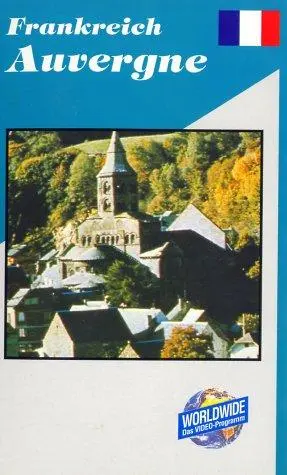
Is Jean Grémillon's 1938 documentary short L'Auvergne worth watching today? Short answer: yes, but only if you view cinema as a window into the soul of a landscape rather than a vehicle for plot.
This film is specifically for historians of French cinema, fans of poetic realism, and those who find beauty in the quiet observation of rural life. It is absolutely NOT for anyone seeking a fast-paced narrative, modern high-definition thrills, or a traditional 'travel vlog' experience. It is slow. It is deliberate. It is ancient.
Before we dive into the volcanic peaks of the Massif Central, let's establish the ground rules for this 1938 relic:
Jean Grémillon was a man of the conservatory before he was a man of the camera. This musical heritage is the heartbeat of L'Auvergne. While many 1930s documentaries were content to simply point and shoot, Grémillon edits with a metronomic precision. Consider the sequence involving the water mills; it isn't just about showing how grain is ground. It is about the sound of the splash and the visual cadence of the wheel. It feels more like a percussion section in an orchestra than a scene in a movie.
Comparing this to the melodramatic flair of The Avalanche, we see a massive shift in how nature is portrayed. In earlier silent cinema, nature was often a villain or a theatrical backdrop. In L'Auvergne, the nature is the protagonist. The volcanoes of the Massif Central don't just sit there; they loom. They dictate the architecture of the houses and the very posture of the people walking the streets.
The most striking element of the film isn't the rocks, but the people. Grémillon captures the faces of the Auvergnat peasants with a dignity that avoids being patronizing. There is a scene where an elderly woman works on lace, her fingers moving with a speed that defies her age. It is a brutal, beautiful moment of human endurance. These are not actors; these are people whose lives are etched into their skin as deeply as the ravines are etched into the hills.
This focus on the 'common man' mirrors the themes found in films like Birthright, though Grémillon approaches it with a European artistic detachment rather than a social-realist agenda. He isn't trying to change the world; he is trying to remember it before it’s gone. By 1938, the shadow of war was already stretching across Europe. There is a subtle, perhaps unintentional, melancholy in every frame of this film. It feels like a goodbye.
The cinematography in L'Auvergne is surprisingly modern. Grémillon uses low angles to make the volcanic peaks seem even more imposing, a technique that would later become a staple of dramatic cinema. The lighting is naturalistic, yet it possesses a silvery quality that makes the black-and-white film stock feel almost metallic. It’s a far cry from the staged, theatrical lighting seen in contemporary works like Kohlhiesel's Daughters.
However, we must address the pacing. To a modern viewer, the film might feel stagnant. There are moments where Grémillon lingers on a stream or a stone wall for five seconds too long. But that is the point. He wants you to feel the weight of the region. He wants you to feel the boredom and the persistence of rural life. If you are looking for the narrative intrigue of The Master Key, you will be sorely disappointed. This is cinema as meditation, not entertainment.
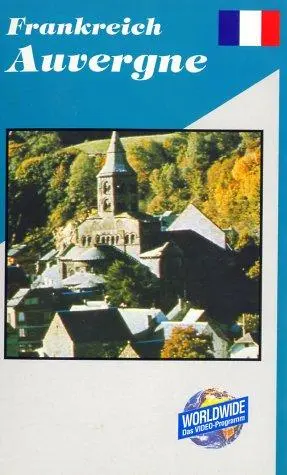
Yes. L'Auvergne is a masterclass in how to film a location without turning it into a tourist advertisement. It treats the landscape as a living, breathing entity. For anyone interested in the development of the documentary form, it is essential viewing. It shows the transition from the 'scenic' shorts of the silent era to the more poetic, authored documentaries of the mid-century.
While it lacks the narrative punch of a film like Paws of the Bear, its value lies in its atmosphere. You don't watch L'Auvergne to find out what happens; you watch it to feel where you are. It is a sensory experience that rewards the patient viewer with a profound sense of place.
The visual composition is top-tier. Grémillon has an eye for the 'unseen' details—the way moss grows on a mill, the specific curve of a wooden tool. It’s an immersive experience. Furthermore, the film avoids the overly dramatic music that plagued many documentaries of the era, such as the tone found in Pardon Me. Instead, it lets the visuals speak for themselves.
It is undeniably dated. The 1938 sound technology means some of the ambient noise is muddy. Additionally, for those used to the vibrant colors of modern nature documentaries, the stark black-and-white might feel restrictive, though I would argue it adds a necessary gravity to the subject matter. It lacks the playful energy of The Golf Bug, which might make it a tough sell for a casual movie night.
When looking at other films from this period, like Devyatoe yanvarya or Marriage in Transit, L'Auvergne stands out for its lack of artifice. It isn't trying to sell a political ideology or a romantic fantasy. It is simply there. It has more in common with the 'City Symphonies' of the 1920s than the commercial cinema of the 1930s. It shares a certain stubbornness with None So Blind—a refusal to cater to the audience's desire for an easy emotional payoff.
Grémillon’s work here is also an interesting precursor to his later fiction masterpieces. You can see his fascination with the elements—water, wind, stone—that would later define his maritime dramas. In L'Auvergne, he is practicing his scales, learning how to make the inanimate feel alive. It is a technical exercise that accidentally became a work of art.
There is something hauntingly ghost-like about this film. Because we know that the world Grémillon filmed was about to be shattered by World War II, every shot of a peaceful village feels like a crime scene before the crime has happened. The film is obsessed with stone—houses made of stone, walls made of stone, mountains made of stone. It’s as if Grémillon knew that only the stones would survive what was coming. It is a documentary that feels like a premonition.
"The Auvergne is not just a region in this film; it is a weight that the people carry on their backs, visible in every stooped shoulder and every rhythmic strike of a hammer."
L'Auvergne is a minor masterpiece that deserves more than a footnote in film history. It is a stubborn, beautiful, and occasionally frustrating piece of work that refuses to be anything other than what it is: a portrait of a place. It works. But it is flawed by its own brevity. If you go in expecting a story, you will be lost. If you go in expecting a feeling, you will be found.
While it may not have the narrative complexity of Rapax or the comedic timing of The Canvas Kisser, it possesses a soul that most films never even attempt to find. It is a quiet triumph of pre-war cinema. It is a film that breathes, even if it breathes the thin, cold air of the mountains.
Final Grade: A must-see for the patient, a 'skip' for the restless. It is a cinematic fossil that still has a heartbeat.
IMDb 5.1
1935
Community
Log in to comment.