DbcultAccessing Vault...
Cult Review
Senior Film Conservator
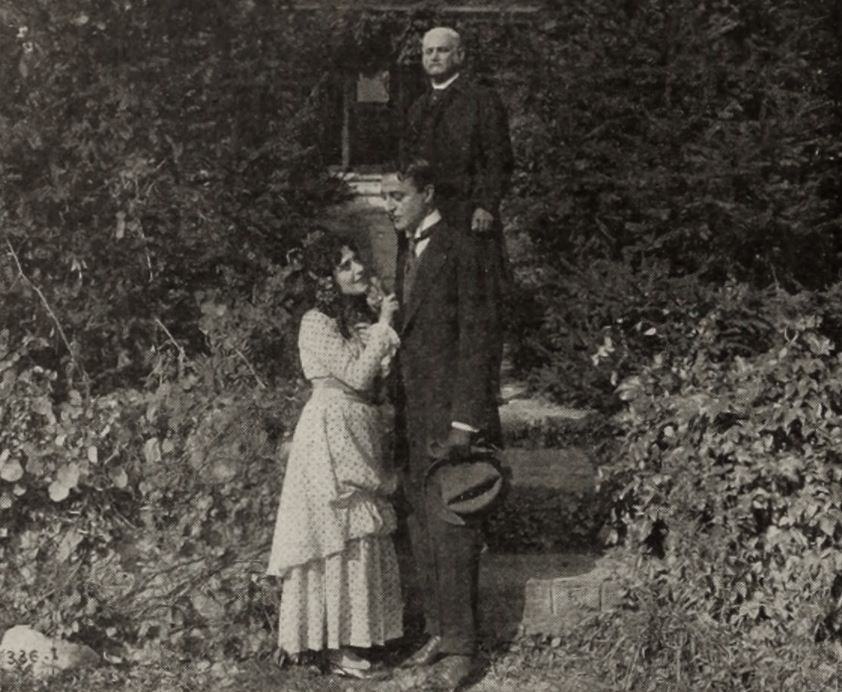
In the pantheon of early silent cinema, few narratives possess the sheer psychological weight and theological gravity found in the 1915 production of Sealed Lips. This is not merely a melodrama of Victorian sensibilities; it is a surgical dissection of the human conscience when placed under the crushing hydraulic press of social reputation and spiritual hubris. The film presents us with Cyril Maitland, portrayed with a haunting, nervous energy by Arthur Ashley, a man whose hot-headed impulsivity serves as the catalyst for a decades-long tragedy. Opposite him stands Henry Everard, played by William Courtenay, whose stoic endurance and 'sane viewpoint' become his own undoing in a world that prioritizes the appearance of sanctity over the reality of justice.
The initial act establishes a pastoral idyll that is quickly shattered by Cyril’s transgression with Alma Lee. Here, the film avoids the simplistic tropes of the 'fallen woman' and instead focuses on the pusillanimous nature of the man responsible. When Alma’s father is found dead, the visual language of the film—specifically the use of Henry’s clothing by Cyril—serves as a potent metaphor for the theft of identity. Cyril does not just steal Henry’s freedom; he steals his very moral standing in the community. This narrative device echoes the thematic depth found in other explorations of identity and crime, such as The Crime and the Criminal, yet Sealed Lips pushes the stakes into the realm of the divine.
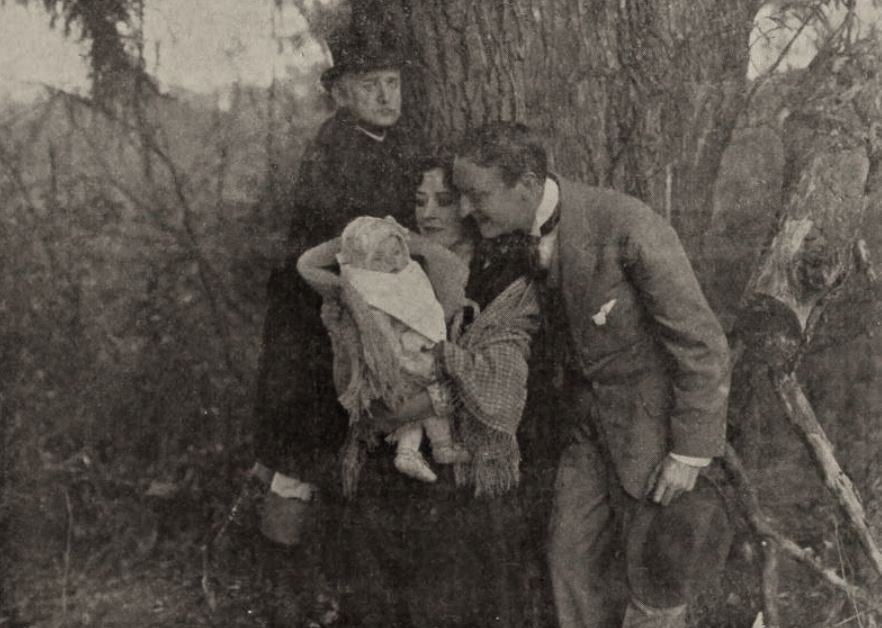
As the plot progresses into the twenty-year hiatus, the film achieves a somber, almost funereal pace. Henry’s imprisonment is contrasted sharply with Cyril’s meteoric rise within the Church of England. This structural choice highlights a fundamental injustice: the more Cyril sins by silence, the higher the world elevates him. By the time he becomes Dean Maitland, he is a figure of national reverence, a master of the very rhetoric that he fails to apply to his own life. This hypocrisy is rendered with a visceral intensity that rivals the moral complexities of As a Man Sows.
“The pulpit becomes a cage, and the vestments a shroud; Cyril’s life is a masterclass in the agony of the successful hypocrite.”
The performance of Arthur Ashley as the elder Dean is a revelation. His face becomes a cartography of guilt, every line etched by the secret he carries. When Henry is finally released, the film does not opt for a simple revenge plot. Instead, it offers a sequence of excruciating psychological encounters. The scene in the cathedral, where Cyril spots the man whose life he effectively terminated, is a masterstroke of silent direction. The camera lingers on the trembling hands of the Dean, the sweat on his brow, and the hollow eyes of the ex-convict. It is a moment of recognition that transcends words, far more effective than the theatricality often seen in The Mysteries of Souls.
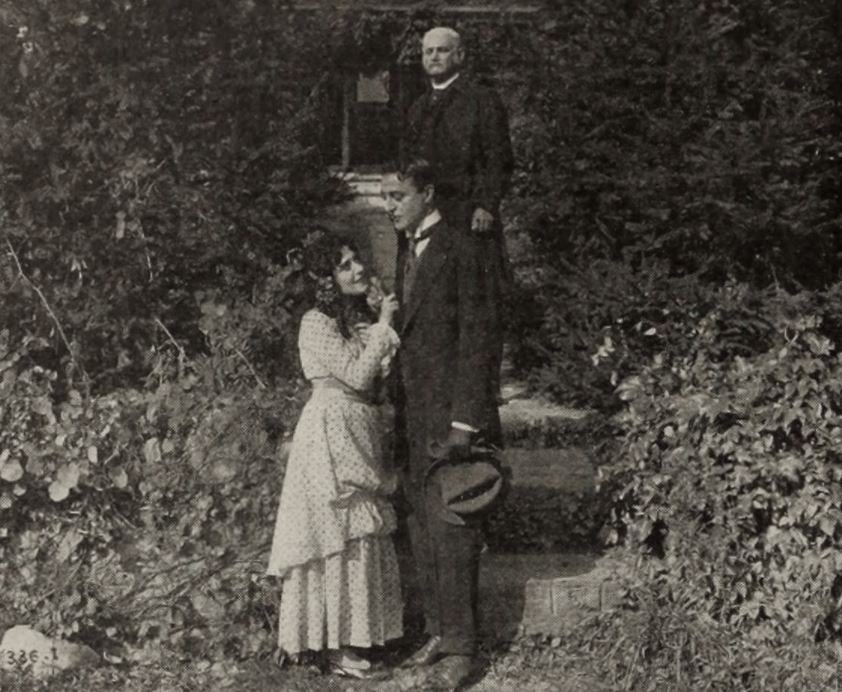
The introduction of Cyril’s son, born of his youthful indiscretion, adds a layer of karmic retribution that is almost Sophoclean. The son’s renunciation of his father is the final blow to Cyril’s crumbling psyche. Unlike the more sentimental resolutions found in The Country Boy, Sealed Lips remains committed to the idea that some wounds are too deep for simple healing. The death of Marian, Cyril’s wife and Henry’s sister, serves as the ultimate catalyst. Her death strips away the last vestige of Cyril’s social insulation, leaving him alone with the ghost of the man he betrayed.
The finale is one of the most dramatic sequences in early cinema. The Sunday sermon begins as a trite, rehearsed appeal for congregational repentance—a final act of the 'Dean Maitland' persona. However, the internal pressure of twenty years of deceit finally ruptures. The transition from a formal sermon to a jagged, agonizing confession of his own murder and cowardice is a harrowing spectacle. When Cyril falls from the pulpit and drops dead, it is not merely a plot point; it is a spiritual release, an exorcism of a soul that could no longer inhabit a body built on lies. This ending provides a stark contrast to the more traditional redemptive arcs seen in The Lost Chord.
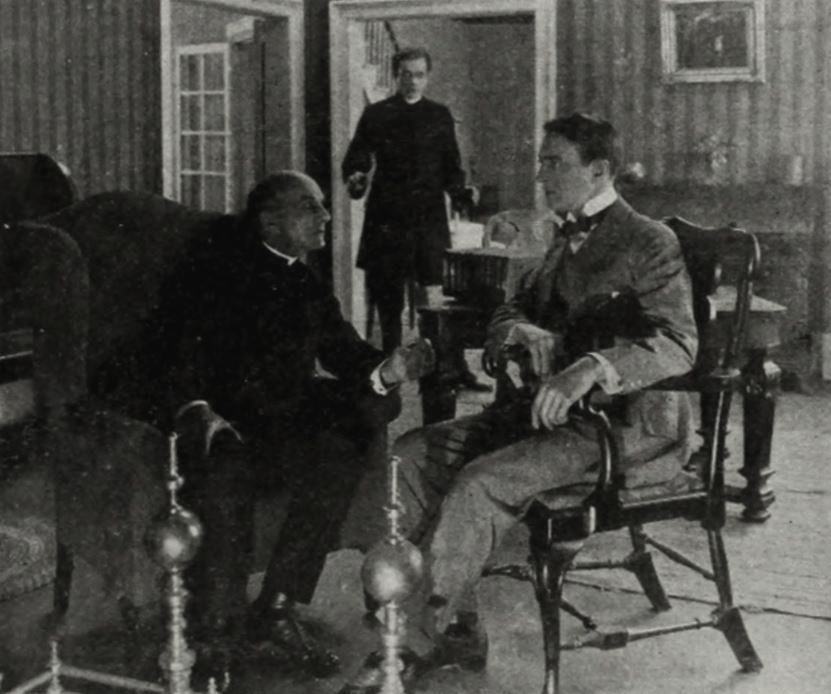
The direction by the uncredited auteur (often attributed to the studio's top talent of the era) utilizes light and shadow to delineate the moral states of the characters. Henry is often bathed in a stark, honest light, even within the confines of his cell, whereas Cyril is frequently obscured by the architectural shadows of the cathedral or the heavy drapes of his study. This visual storytelling is sophisticated for its time, echoing the tonal shifts found in The Darkening Trail.
Furthermore, the writing by Maxwell Gray and Frank Condon avoids the pitfalls of excessive intertitles, allowing the actors' physicality to carry the narrative burden. The film demands much from its audience, asking us to empathize with a man who is essentially a monster of cowardice, while simultaneously celebrating the quiet, almost passive virtue of the man he wronged. It is a delicate balance that few films of the 1910s managed to strike with such precision.
As the dust settles and the 'sunshine' of Henry and Lillian’s reunion closes the film, one is left with a profound sense of unease. The resolution for the hero does not fully erase the tragedy of the villain’s two-decade-long masquerade. Sealed Lips stands as a towering achievement in silent drama, a precursor to the psychological noir and the religious thrillers of later decades. It shares a certain DNA with the grand scale of Napoleon in its ambition to map the human heart, but its focus is much more intimate and, perhaps, more devastating.
For the modern viewer, the film is a reminder of the power of the unspoken word. It explores the concept that the most secure prison is not made of stone and iron, but of secrets and the fear of social ignominy. In the landscape of 1915 cinema, where films like A Lady of Quality or The Warrens of Virginia were exploring different facets of history and social standing, Sealed Lips carved out a niche for the 'clerical tragedy' that remains potent over a century later. It is a somber, beautiful, and ultimately essential piece of cinematic history that deserves its place among the great explorations of the human condition.
IMDb 6.5
1918
Community
Log in to comment.