DbcultAccessing Vault...
4.9/10
Senior Film Conservator
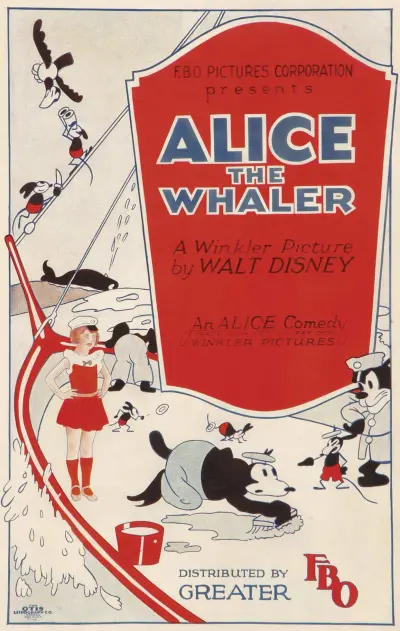
A definitive 4.9/10 rating for a film that redefined the boundaries of cult cinema. Alice the Whaler remains a cornerstone of transgressive art.
Short answer: No, unless you are an animation historian or a Disney completionist. Is it a lost masterpiece of the silent era? Not even close.
This film is for those who want to see the literal birth pangs of the Disney empire and the evolution of Ub Iwerks’ animation style. It is emphatically not for anyone looking for a cohesive story, a relatable protagonist, or jokes that land with modern precision.
Before we dive into the murky waters of this 1927 short, let's establish the ground rules. This is a film that works because of its technical audacity, fails because of its narrative emptiness, and remains watchable only as a museum piece.
1) This film works because the animation of the mouse and the feline chef shows a level of character weight and squash-and-stretch physics that was far ahead of its time.
2) This film fails because Alice herself, played by Lois Hardwick, is a total afterthought who has almost zero impact on the actual plot.
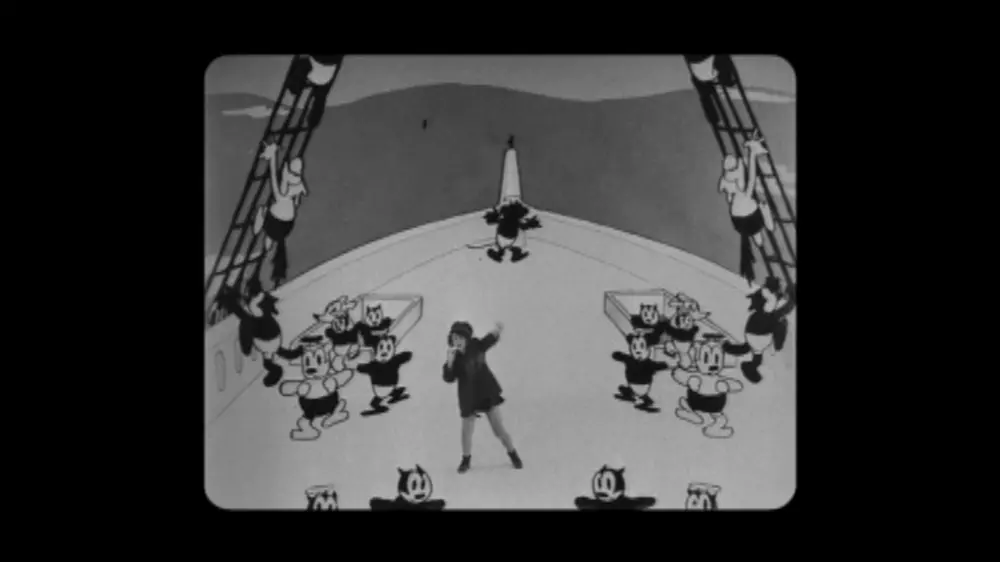
3) You should watch it if you want to witness the exact moment Walt Disney realized that his animated characters were more charismatic than his live-action actors.
The plot of Alice the Whaler is essentially a series of fetch quests. It lacks the adventurous spirit of something like The Man from Hell's River, opting instead for domestic galley humor. We start with Alice dancing. That’s it. She’s just there to fulfill the brand's promise.
The real meat of the short is the mouse. He is tasked with getting eggs. He goes to the crow’s nest. He fights birds. He gets the eggs. Then he’s told to get milk. He finds a goat. He gets the milk. It’s a repetitive loop that feels like a precursor to the more refined gags we’d see in the 1930s.
The mouse is the prototype for Mickey. He’s scrappy, a bit of a jerk, and incredibly resilient. When he manhandles a bird to shake three eggs out of it, there’s a mean-spirited energy that modern Disney has scrubbed away. I miss that edge. It’s raw.
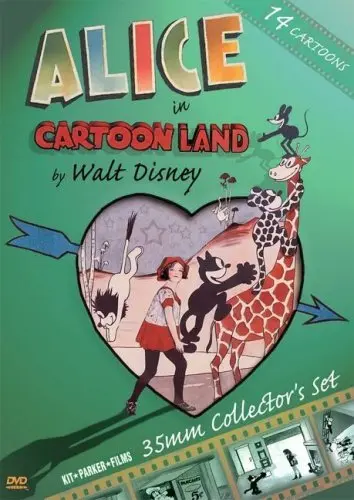
By 1927, the Alice Comedies were running on fumes. Lois Hardwick was the fourth and final Alice, and you can tell the spark was gone. Unlike Virginia Davis, who felt like she was actually interacting with the cartoon world, Hardwick often looks like she’s just standing in front of a screen waiting for her paycheck.

There is a moment where she dances with the crew, and the spatial logic is just... wrong. She’s looking one way; the cartoon animals are looking another. It’s jarring. It lacks the polish of contemporary silent works like The Rag Man, which handled its child-star lead with much more grace.
It works. But it’s flawed. The integration of live-action and animation was a gimmick that had reached its expiration date. You can feel Disney’s boredom with the format in every frame Hardwick occupies.
If there is a reason to watch this, it’s Ub Iwerks. The animation in the galley is fluid and surprisingly violent. When the cat chef throws a tantrum, the way his body distorts is pure Iwerks. It has a rhythmic quality that anticipates the musicality of Steamboat Willie.
Compare the movement here to something like The Jay Bird. The fluidity in the Alice shorts was setting the stage for everything that followed. The way the mouse interacts with the goat—the stretching of the udders, the frantic bucket-filling—is visually inventive even if the punchline is predictable.
The goat scene is particularly weird. There’s an aggressive surrealism to it. The goat isn't just a goat; it’s a prop that reacts with human-like frustration. This kind of anthropomorphism was the secret sauce that would eventually make Disney the king of the medium.
Alice the Whaler is worth watching only as a historical curiosity. It serves as a bridge between the primitive animation of the early 1920s and the sophisticated character work of the sound era. If you are looking for genuine laughs, you likely won't find them here, but if you want to see the rough drafts of Mickey Mouse's DNA, it is an essential six-minute investment.
For a six-minute short, Alice the Whaler feels like it’s twenty minutes long. The pacing is sluggish. It lacks the frantic, mile-a-minute energy of Mile-a-Minute Romeo. The gags breathe too much, and the silence is deafening.
Without a synchronized score, the repetitive nature of the mouse’s tasks becomes apparent. You find yourself checking the progress bar. That’s never a good sign for a film that’s shorter than a modern commercial break.
Pros:
The animation is top-tier for 1927. The character designs for the cat and mouse are iconic. It offers a glimpse into the pre-Mickey era of Disney slapstick.
Cons:
The live-action elements feel tacked on. The story is non-existent. The title is misleading—there is almost zero whaling involved.
Alice the Whaler is a fascinating failure. It represents the end of an era where Disney was trying to make live-action stars out of little girls, only to realize that the ink and paint were doing all the heavy lifting. While the animation is impressive for its time, the film as a whole is a disjointed collection of gags that don't quite land.
"A relic that proves the pen is mightier than the person, especially when that person is a disinterested child actor."
If you’ve already seen the major works of 1927, like the experimental Die Flucht in die Nacht, then sure, give this a spin. But don't expect it to change your life. It’s a sketch. A rough draft. A historical footnote that happens to have a goat in it.
IMDb —
1935
Community
Log in to comment.