DbcultAccessing Vault...
Cult Review
Senior Film Conservator
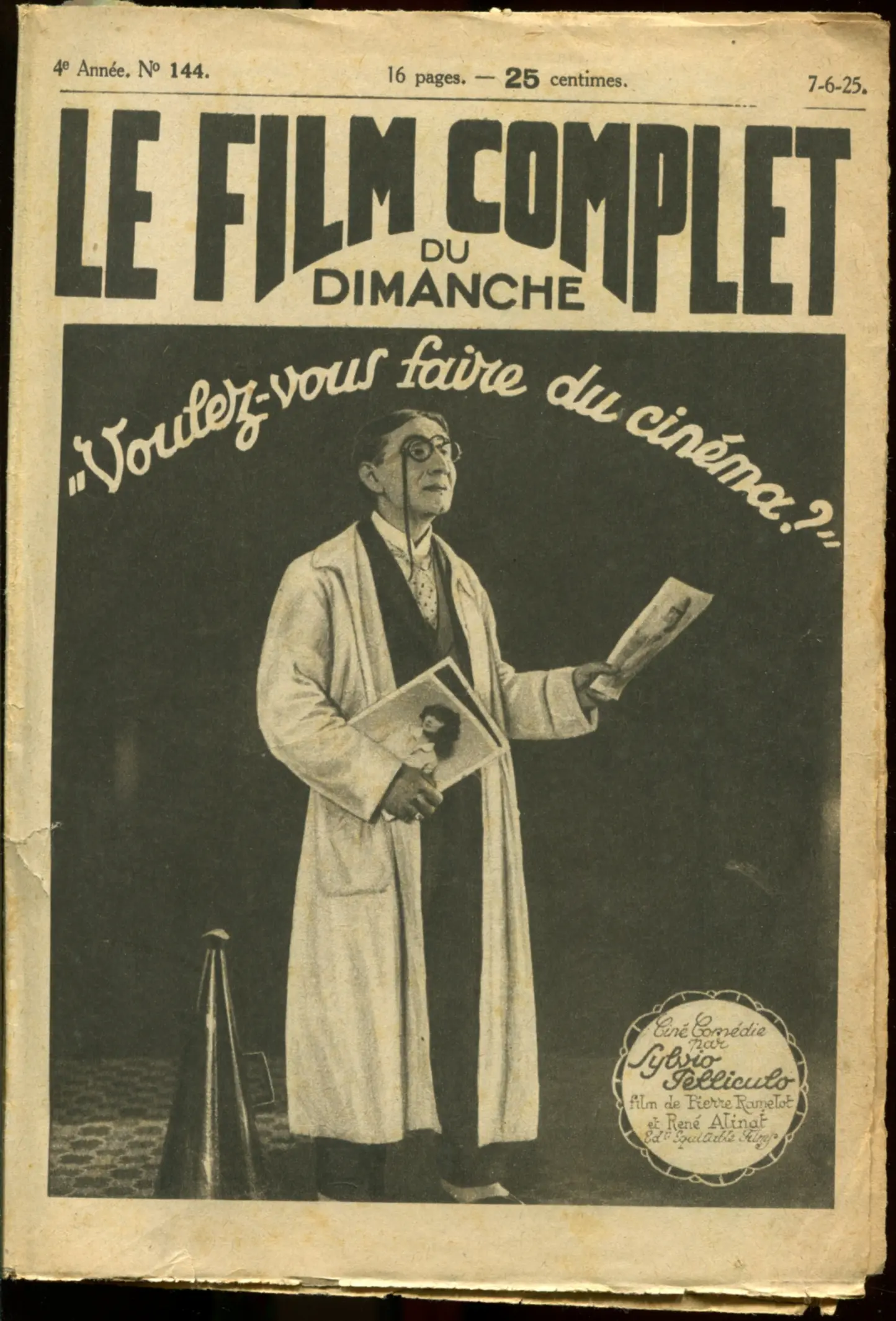
In the early 1920s, the allure of Hollywood was as potent as it was dangerous. 'Voulez-vous faire du cinéma?' (Do you want to make films?) delves deep into the world where dreams of stardom can quickly turn into a nightmare of manipulation and deceit. The film, starring Fabien Haziza and Paul Colligé, is a poignant reflection on the moral compromises often made in the pursuit of fame.
The story revolves around Suzanne, a young and aspiring actress who finds herself entangled with a charismatic but fraudulent professor. This man, who is not just a teacher but a manipulator, promises Suzanne the world: fame, fortune, and a place in the glittering world of early cinema. However, as Suzanne's dreams become reality, she begins to realize that the cost of her ambition is much higher than she had anticipated.
Émile Saint-Ober and Jean Rahna, among others, add depth to the characters, portraying the complexity of their roles with nuance. The performances are a testament to the skill of the ensemble, each actor contributing to the overall atmosphere of moral ambiguity and psychological tension.
René Alinat and Pierre Ramelot's screenplay is a masterclass in weaving a layered narrative. The script is not just a straightforward tale of romance gone wrong but a layered exploration of the darker aspects of the film industry. The dialogue is sharp and often layered with double meanings, reflecting the film's exploration of deception and the blurred lines between truth and lies.
Technically, 'Voulez-vous faire du cinéma?' is a visually striking film. The cinematography captures the glamour of early cinema while subtly hinting at the shadows beneath. The use of lighting and shadow is particularly effective, creating a sense of unease that permeates the entire film. The editing is smooth, allowing the story to unfold with a sense of inevitability, drawing the viewer in and making the film impossible to look away from.
The sound design, too, plays a crucial role in the film's impact. The score, composed by an unsourced but talented individual, adds a melancholic tone to the proceedings, enhancing the emotional weight of the narrative. The sound effects, while minimal, are carefully placed, contributing to the tense and often eerie atmosphere of the film.
Comparatively, 'Voulez-vous faire du cinéma?' shares thematic ground with films like 'The Morals of Hilda' and 'Sacred Silence'. These films, like 'Voulez-vous faire du cinéma?', explore the moral and psychological consequences of ambition in the early film industry. Both 'The Morals of Hilda' and 'Sacred Silence' delve into the darker aspects of fame and success, offering a stark contrast to the idealized portrayal of Hollywood that was prevalent at the time.
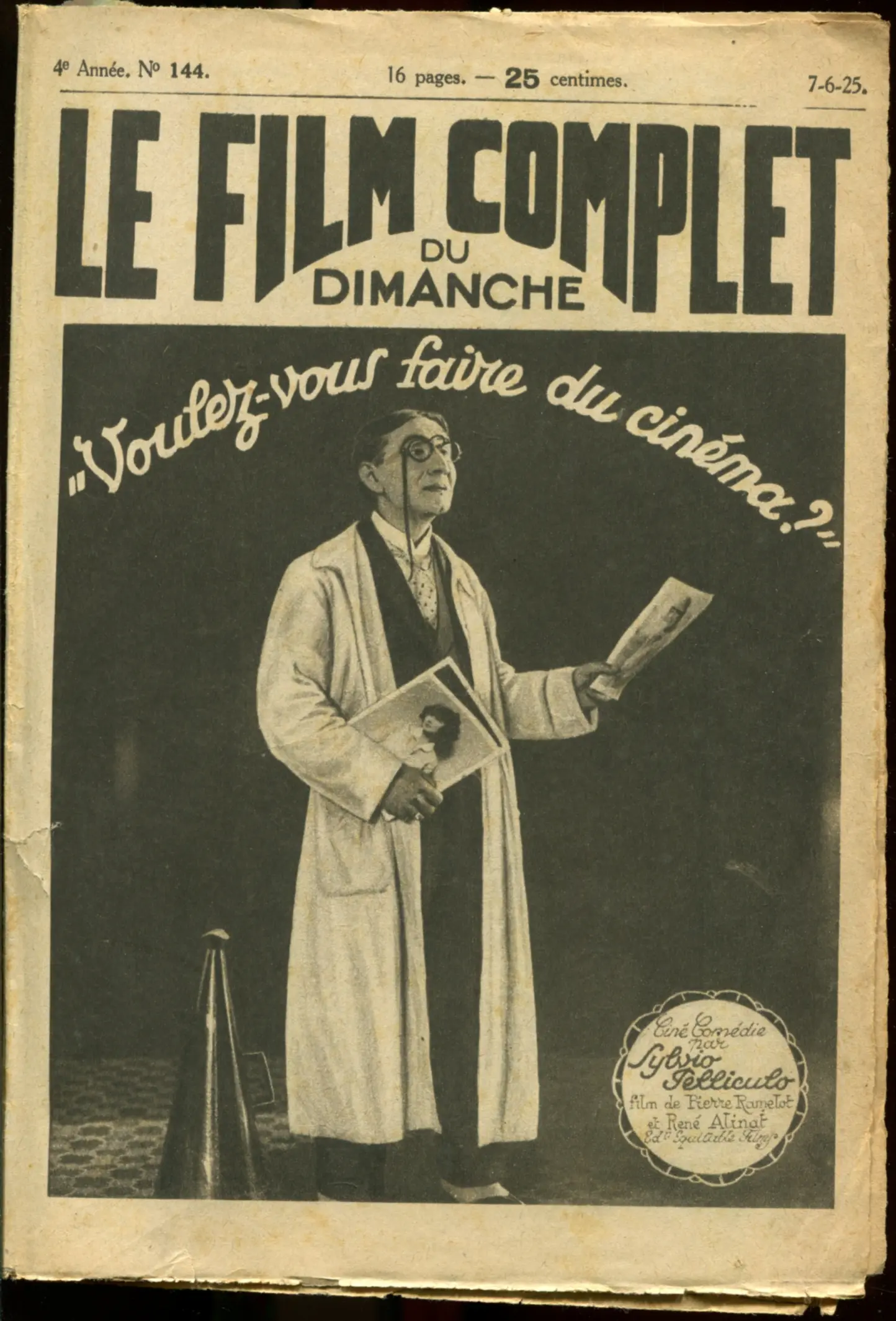
What sets 'Voulez-vous faire du cinéma?' apart, however, is its nuanced and multifaceted approach to its characters. While these other films might offer a more binary view of the industry's pitfalls, 'Voulez-vous faire du cinéma?' presents a more complex narrative. The film explores the grey areas of morality, leaving the audience to question the nature of deception and the true cost of pursuing one's dreams.
The film's exploration of the early film industry is both fascinating and chilling. The story is a reflection of the era's anxieties, capturing the allure and the dangers of the silver screen. The journey of Suzanne, from hopeful actress to victim of deception, is a powerful narrative that resonates long after the film has ended.
Technologically, 'Voulez-vous faire du cinéma?' is a fascinating relic from a bygone era. The use of synchronized sound, while primitive by modern standards, is a testament to the technological advancements of the time. The film's black-and-white cinematography, with its emphasis on lighting and shadow, creates a moody and atmospheric setting that enhances the film's overall tone.
While 'Voulez-vous faire du cinéma?' may not be a technological marvel, it is a masterclass in storytelling. The film's narrative is tightly constructed, with each scene building on the last to create a sense of inevitability. The pacing is deliberate, allowing the audience to absorb the emotional impact of each revelation.
The film's ending is particularly poignant, leaving the audience with a sense of bittersweet nostalgia. The journey of Suzanne is a powerful reminder of the price of ambition and the moral compromises that often accompany it. The film's exploration of the early film industry, while rooted in historical context, feels timeless, offering a powerful commentary on the human condition.
For those interested in the early days of cinema, 'Voulez-vous faire du cinéma?' is an essential watch. The film's exploration of ambition and deception is as relevant today as it was when it was first released. The story is a powerful reminder of the importance of staying true to one's ideals and the dangers of being enticed by false promises.
In conclusion, 'Voulez-vous faire du cinéma?' is a remarkable film that offers a deep dive into the moral and psychological landscapes of early cinema. The film's exploration of ambition, deception, and the human condition is both captivating and thought-provoking. It is a must-watch for anyone interested in the complexities of the early film industry and the enduring power of storytelling.
IMDb —
1921
Community
Log in to comment.