DbcultAccessing Vault...
Cult Review
Senior Film Conservator
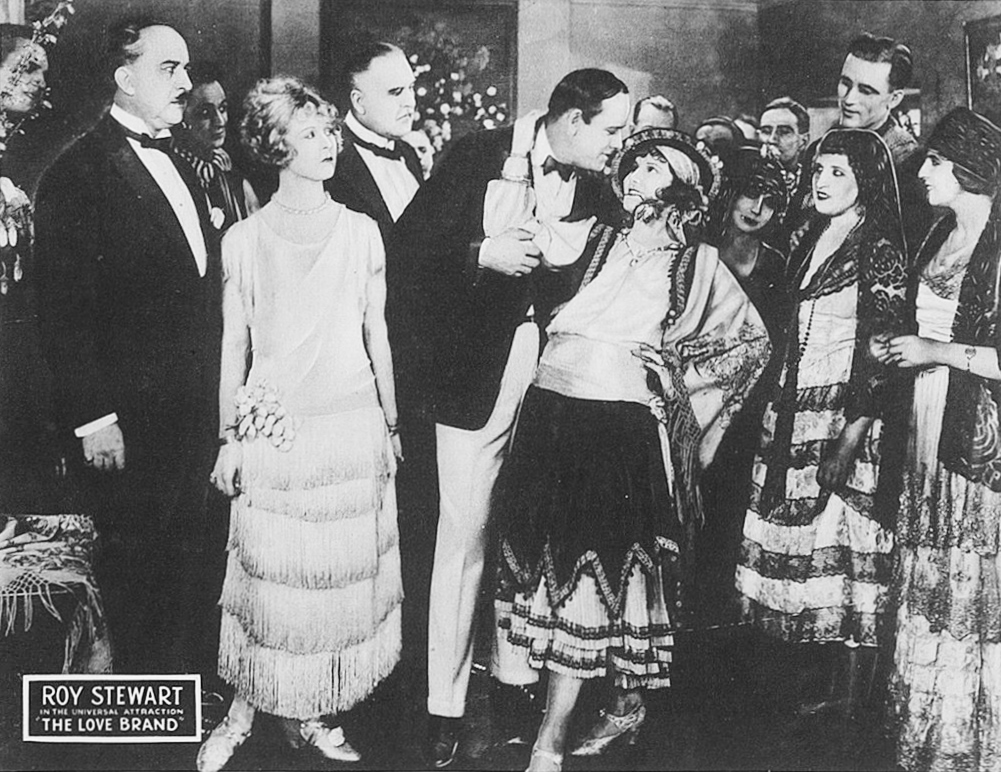
Stepping into the flickering glow of silent cinema, one occasionally unearths a narrative gem that, despite its vintage, resonates with an astonishingly contemporary pulse. Such is the case with The Love Brand, a 1923 melodrama that, even a century later, still manages to grapple with themes of manipulation, genuine affection, and the thorny path to redemption with a compelling earnestness. This isn't just a historical artifact; it's a testament to the enduring power of storytelling, a mirror reflecting the intricate dance between avarice and the human heart.
At its core, The Love Brand unfurls a tale of calculated deception, masterminded by the formidable Frances Collier, portrayed with a compelling mix of ambition and burgeoning vulnerability by Marie Wells. Her mission? To ensnare the unsuspecting Don José O'Neil, a wealthy landowner brought to life with rugged conviction by Roy Stewart, whose vast properties are rumored to conceal a subterranean treasure of oil. Frances’s father, a man driven by pecuniary ambition, sees O'Neil's land as the key to their fortune, and Frances, initially, is merely his most potent weapon. The film’s opening gambit establishes this premise with a captivating tension, setting the stage for a dramatic conflict between material gain and emotional authenticity.
What makes this narrative particularly intriguing is its pivot. The initial machinations, though meticulously planned, begin to unravel not due to external forces, but from within Frances herself. As she spends more time with Don José, the artifice of her affection slowly gives way to something far more profound and unsettling: genuine love. This internal metamorphosis is the film's beating heart, transforming a simple tale of deceit into a complex exploration of moral reckoning. Marie Wells navigates this difficult transition with a nuanced performance, her eyes conveying the internal struggle as her character grapples with the ethical quagmire of her own making.
Roy Stewart, a stalwart of the silent era, imbues Don José O'Neil with a commanding presence, a man of the land whose trust, once given, is absolute. His portrayal captures the essence of a man initially charmed, then deeply wounded, and finally, cautiously open to forgiveness. The chemistry between Wells and Stewart, while of its time, manages to convey the growing emotional bond that transcends the initial transactional nature of their relationship. One can almost feel the weight of their unspoken words, the silent dialogues that define the dramatic stakes of their unfolding romance.
The screenplay, penned by Adrian Johnson and Raymond L. Schrock, demonstrates a keen understanding of melodramatic structure, building tension through character interaction rather than relying solely on external plot devices. Their writing allows for the slow burn of Frances's internal conflict, making her eventual crisis of conscience all the more impactful. It's a testament to their craft that even without dialogue, the emotional arcs are clear, compelling, and deeply human. In an era where many films relied on broad gestures, The Love Brand manages to suggest a richer psychological landscape.
The film's dramatic climax is triggered by the intervention of a rejected suitor, played with appropriate villainy by Arthur Stuart Hull. His vengeful exposure of Frances’s original treachery plunges the narrative into a profound crisis, stripping away the illusion and leaving Frances utterly exposed. Don José's reaction is one of understandable betrayal and fury, and the audience is left to wonder if any redemption is possible for Frances. This turn of events reminds one of the intricate betrayals found in films like The Woman of Lies, where deception forms the very fabric of the story, albeit with different motivations and outcomes.
The true genius of The Love Brand, however, lies in its resolution, an audacious act of symbolic and literal sacrifice that elevates the film beyond mere melodrama. When Don José, still reeling from the discovery of her initial deceit, demands Frances submit to being branded – a harrowing, visceral act that would mark her forever – her willing submission becomes the ultimate declaration of her transformed heart. It’s a moment of raw, unvarnished commitment, a public declaration that her love is not merely an emotion, but a tangible, indelible part of her being. This scene, more than any other, etches itself into the viewer's memory, a powerful visual metaphor for the cost of true love and redemption.
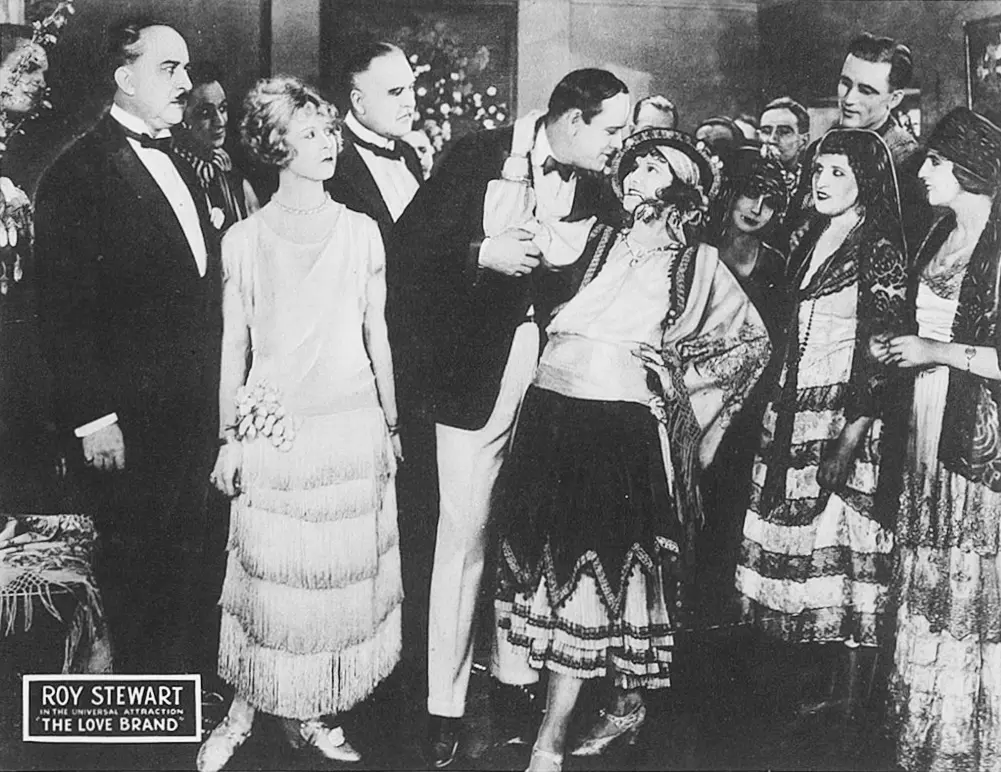
This act of willing branding is a narrative device that, while perhaps shocking to modern sensibilities, was designed to convey the absolute, unshakeable sincerity of Frances's change of heart. It transforms her from a calculating opportunist into a woman willing to endure physical pain for emotional truth, demonstrating a profound shift in her values. It’s a bold choice, and one that differentiates The Love Brand from more conventional romantic dramas of the period. This willingness to undergo a harrowing ordeal for love echoes the intense personal sacrifices often depicted in films like Alma de sacrificio, where characters demonstrate extreme devotion through profound suffering or self-denial.
The supporting cast, including Wilfrid North, Margaret Landis, and Sidney De Gray, provides solid contributions, anchoring the main performances and adding texture to the film's world. While their roles might not possess the same dramatic weight as the protagonists, their presence is crucial in building the narrative's environment and driving its various subplots. Arthur Stuart Hull, as the spurned suitor, delivers a performance that perfectly encapsulates the petty vindictiveness that can shatter lives, making his character a memorable, if despicable, catalyst for the film's turning point.
Direction, though uncredited in many historical records, likely played a significant role in orchestrating the film's emotional beats and visual storytelling. The choice of shots, the pacing of the reveals, and the emphasis on the actors' facial expressions – paramount in silent film – all contribute to the overall impact. One can imagine the director working closely with the cast to convey complex emotions without the aid of spoken dialogue, a true art form in itself. The use of intertitles, sparse yet effective, guides the audience through the narrative, ensuring clarity without disrupting the visual flow.
The thematic undercurrents of The Love Brand are rich and varied. Beyond the surface romance, it delves into the corrosive nature of greed, the transformative power of love, and the concept of redemption through sacrifice. It questions whether true love can emerge from deceit, and whether forgiveness is possible when trust has been so profoundly broken. These are universal questions that continue to fascinate audiences across generations, proving the film's timeless appeal. The pursuit of land and wealth, as a driving force for characters, also brings to mind the territorial disputes and ambitious schemes seen in classics like The Heart of Texas, where the landscape itself becomes a character, dictating destinies and fueling conflicts.
The film’s portrayal of land ownership and its inherent power is also worth noting. Don José O'Neil isn't just a man; he’s a symbol of established wealth and stability, a figure whose land represents not just property, but legacy. Frances’s father, by contrast, embodies the relentless, often ruthless, pursuit of new money, the kind of ambition that disregards ethical boundaries for financial gain. This dynamic creates a fascinating class and moral struggle, echoing broader societal tensions of the era. The very idea of an 'oil-rich land' hints at the burgeoning industrial age and the scramble for natural resources, a theme that would continue to dominate narratives for decades.
When juxtaposed with other films of its period, The Love Brand stands out for its bold conclusion. While many silent films explored themes of love and sacrifice, few dared to push the boundaries of commitment quite as literally as the branding scene. It’s a moment that could easily veer into the absurd, but within the context of the film's carefully constructed emotional landscape, it achieves a potent, almost mythic quality. It’s a gamble that pays off, solidifying the film’s message of absolute devotion. Consider the more lighthearted fare like The Bell Hop or the fantastical elements of The Black Crook; The Love Brand clearly aimed for a different, more visceral emotional impact, rooted in stark human drama rather than comedy or spectacle.
The film also touches upon the idea of reputation and how easily it can be tarnished. Frances, initially seen as a cunning manipulator, risks everything for love, including her social standing and physical well-being. Her willingness to be branded isn't just for Don José; it's also a public declaration, a reclaiming of her honor, albeit through an unconventional and painful path. This struggle for reputation and redemption is a recurring motif in cinema, often explored in different contexts, from the moral dilemmas of Souls in Bondage to the more personal battles in The Power Within.
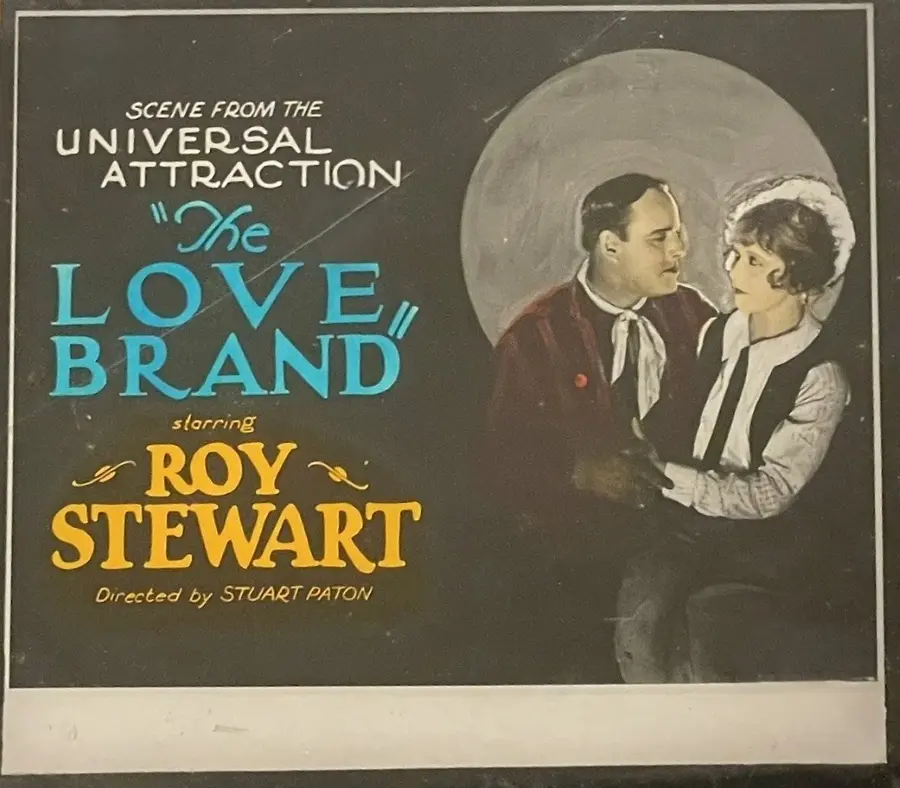
Ultimately, The Love Brand is a fascinating study in character transformation. Frances Collier's journey from a cold, calculating agent of her father's greed to a woman deeply in love and willing to sacrifice everything is compelling. Don José's arc, from a trusting landowner to a betrayed lover, and then to a man capable of profound forgiveness, is equally engaging. The film’s ability to portray such complex emotional shifts without a single spoken word is a testament to the artistry of silent film, where every gesture, every facial expression, and every intertitle carries immense weight. It reminds us that sometimes, the most powerful declarations are made in silence, through actions that speak louder than any words could.
For those who appreciate the rich tapestry of early cinema, The Love Brand offers a rewarding experience. It’s a film that dares to explore the darker side of human motivation before ultimately affirming the redemptive power of love. The performances are strong, the narrative engaging, and its central act of branding remains a powerful, unforgettable moment in cinematic history. It's a reminder that even in an age long past, filmmakers were crafting stories that delved deep into the human condition, grappling with universal themes that continue to resonate today. The film, like its central characters, leaves an indelible mark, a brand of its own upon the viewer's consciousness.
The sheer audacity of the plot, particularly the branding sequence, is what elevates this film from a standard romantic drama to something more memorable. It's a narrative risk that pays off, solidifying the film's message of absolute, unshakeable devotion. This kind of symbolic, almost ritualistic, act of commitment is rare in cinema, making The Love Brand a unique entry in the silent film canon. It forces both the characters and the audience to confront the true meaning of sacrifice and forgiveness. In a world full of easy answers, the film presents a challenging path to happiness, one earned through pain and profound honesty.
Looking back, the film's exploration of ambition and its consequences feels remarkably prescient. The relentless pursuit of wealth, even at the expense of human connection, is a theme that continues to dominate our modern narratives. Frances’s initial willingness to compromise her integrity for financial gain is a cautionary tale that transcends its historical setting. However, her eventual moral awakening and the willingness to pay a steep price for genuine love offer a counter-narrative, suggesting that true value lies not in possessions, but in authentic human bonds. This profound message is delivered with a dramatic flair that ensures its lasting impact.
The ultimate marriage of Frances and O'Neil isn't presented as a fairytale ending, but rather as a hard-won victory, forged in the crucible of deceit, betrayal, and ultimate sacrifice. It’s a union built on a foundation of brutal honesty and a testament to the transformative power of love. The 'love brand' itself becomes a symbol not just of ownership, but of mutual understanding and unwavering commitment. It's a powerful and thought-provoking conclusion that leaves the audience contemplating the true meaning of devotion and the lengths one might go to prove it.
In an era of cinematic experimentation, The Love Brand stands as a testament to the enduring power of classic storytelling. It combines compelling performances, a tightly woven plot, and audacious dramatic choices to create a film that, despite its age, still manages to captivate and provoke thought. It reminds us that the human heart, in all its complexity, remains the most fascinating subject for any artist, and that the journey from deception to genuine connection is often the most compelling story of all. Its legacy, though perhaps not as widely celebrated as some of its contemporaries, is surely etched into the annals of dramatic silent film for those willing to seek it out.
The film, in essence, asks us to consider what we are willing to brand ourselves with – literally or figuratively – to prove our worth, our love, or our sincerity. It challenges us to look beyond initial appearances and to believe in the possibility of profound change. The performances, particularly from Marie Wells and Roy Stewart, elevate the material, lending a gravitas that makes the extraordinary circumstances believable. This is not merely a historical curiosity, but a vibrant piece of cinematic art that continues to speak to the enduring complexities of the human spirit. It is a powerful narrative, a silent symphony of emotion, and a profound exploration of what it truly means to be branded by love.
This deep dive into The Love Brand reveals a film that is far more than its plot summary suggests. It’s a rich tapestry of human emotions, moral dilemmas, and the enduring quest for authentic connection. The film’s writers, Adrian Johnson and Raymond L. Schrock, crafted a narrative that, even without spoken dialogue, conveys profound psychological depth and emotional intensity. Their work, brought to life by a dedicated cast, ensures that The Love Brand remains a compelling watch for anyone interested in the foundational works of cinematic drama. It’s a powerful reminder of the ingenuity and emotional resonance that defined the silent era, proving that sometimes, silence truly is golden.
The film's exploration of power dynamics, both personal and societal, is another layer that enhances its enduring appeal. Frances, initially disempowered by her father's machinations, ultimately reclaims her agency through an act of profound self-determination. Don José, powerful in his landownership, becomes vulnerable to emotional manipulation before asserting his own terms for reconciliation. This intricate play of power, surrender, and ultimate equilibrium makes for a captivating study. It’s a narrative that, despite its age, feels remarkably relevant in its portrayal of human relationships and the complex interplay of desire, deceit, and destiny. The 'branding' itself, while a dramatic flourish, is the ultimate rebalancing of power, a moment where Frances willingly gives herself over, not in subjugation, but in a powerful act of devotion.
IMDb —
1928
Community
Log in to comment.