DbcultAccessing Vault...
6.5/10
Senior Film Conservator
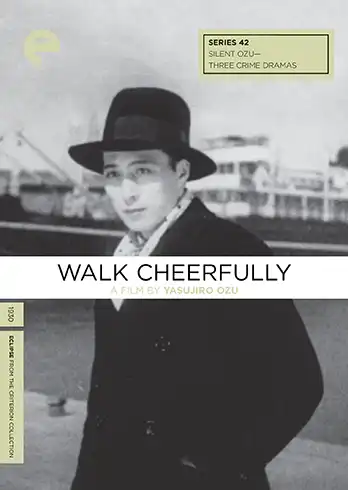
A definitive 6.5/10 rating for a film that redefined the boundaries of cult cinema. Walk Cheerfully remains a cornerstone of transgressive art.
"Walk Cheerfully," an old Japanese film from 1930, might feel like a slow burn for some folks today, especially if you're used to quick cuts. But if you have a soft spot for early cinema that still manages to feel honest and a bit gritty, this one's absolutely worth a look. People who enjoy seeing classic gangster-type stories with a surprising amount of heart will probably dig it. If silent-era pacing or subtitled black-and-white stuff just isn't your jam, you might find it tough going. 🤷♀️
The story centers on Kenji (Minoru Takada), a low-level guy trying to make a living on the fringes. He's got his pal, Senko (Hisao Yoshitani), always by his side, which is both sweet and, well, a little bit of a problem.
Kenji meets this young woman, Yasue (Nobuko Matsuzono), who works at a flower shop. She’s just… good. And you can see Kenji really wants to be good for her.
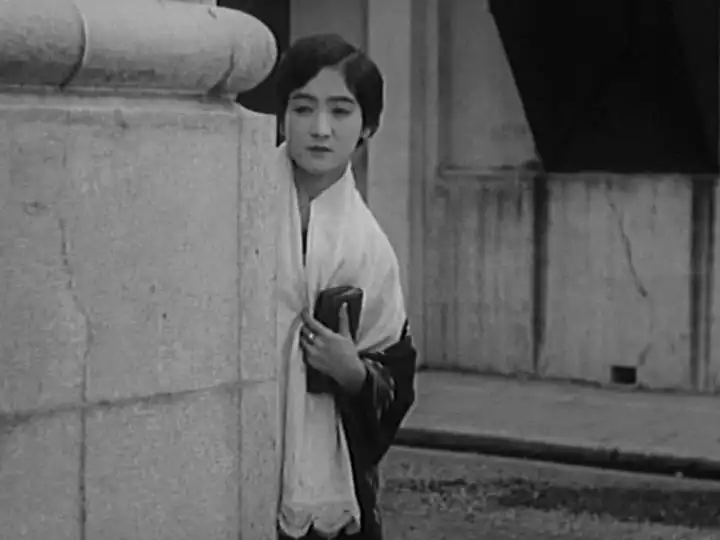
It’s a classic setup, but it feels earned here. There's a scene early on where Kenji tries to impress her, kinda awkwardly. He's not suave. He’s just a regular guy, a bit clumsy. It makes him feel very real.
The whole vibe of the city streets in this film, it’s not romanticized. It's a bit dusty, a bit hard. You get a real sense of these small-time criminals just trying to get by, not some big mob boss stuff.
Senko, Kenji's pal, is a bit of a loose cannon. He messes things up a lot, but you also feel his loyalty. It's a tricky balance, making him annoying but still someone you root for, even a little.
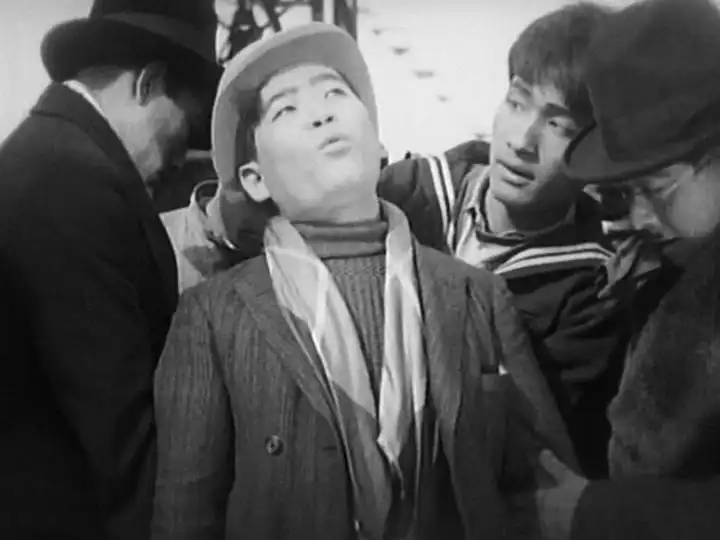
There's this moment where Kenji's little brother, played by Tomio Aoki, is just being a kid. He’s running around, oblivious to the grown-up struggles. It's a tiny detail but it anchors the film. It shows what Kenji is *really* fighting for.
The movie does a good job showing how difficult it is to actually *leave* that old life. It's not just a decision. It's a constant pull. The old friends, the old habits.
I kept noticing the way people moved in the background, very natural. It didn't feel staged, like a lot of films from this era can.
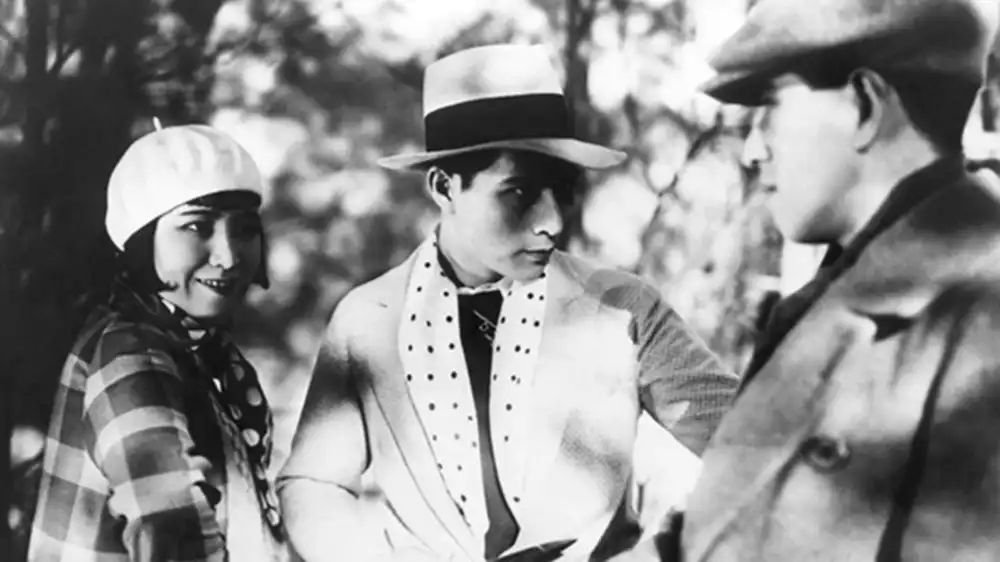
The acting, especially from Takada as Kenji, feels very understated. He doesn't chew the scenery. His struggle is mostly in his eyes.
There's a scene with Kenji trying to get a job, a proper one. You just _feel_ the desperation. The way he adjusts his tie, tries to look respectable, it's pretty heartbreaking.
The ending isn't some big, flashy Hollywood thing. It feels more… like life. Messy, a little uncertain. That felt bold for the time, I think.
Sometimes the title cards lingered a touch too long. But that's just part of watching older films, isn't it?
You see glimpses of everyday life in 1930s Japan, like people hanging laundry or kids playing. It's a nice, subtle world-building touch.
The score, if you're watching a version with a modern one, really helps carry the mood without being overbearing. It’s *never* trying to tell you how to feel.
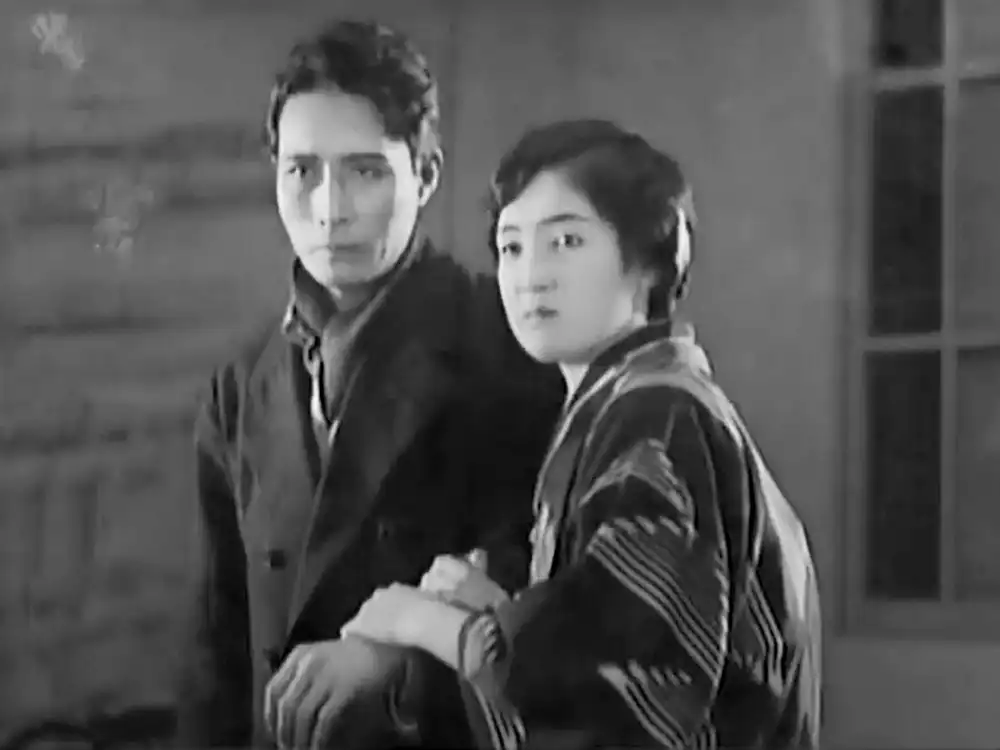
Kenji's gang, they’re not evil masterminds. They’re just kinda… lost. You almost pity them. They don't have much of a future plan.
The director, Hiroshi Shimizu, he really understood people, even at this early stage. You can see the groundwork for his later, more famous works. He has a real knack for finding the little human details.
It’s not a perfect movie, no. Some parts feel a bit slow, especially compared to how we watch things now. But it has a quiet power.
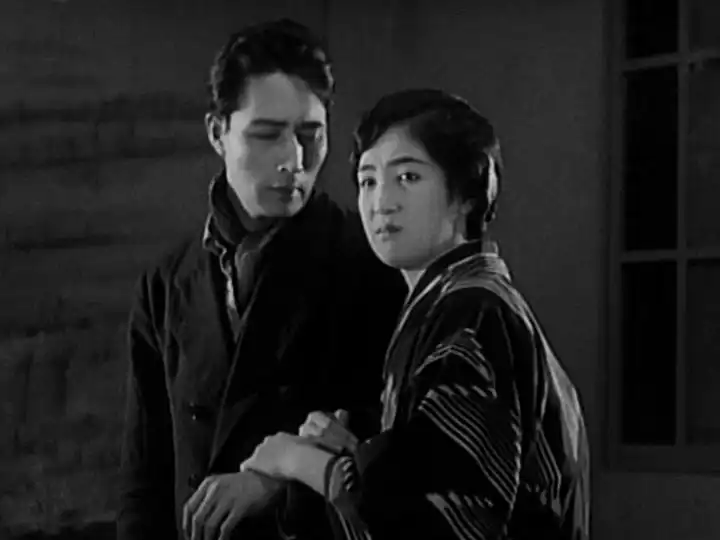
The relationship between Kenji and Yasue is the anchor. It’s so simple, yet you totally get why he wants to change. She's not a plot device, she’s a reason.
There's this one shot of Kenji just walking away, his shoulders slumped. It just *sticks* with you. No dialogue needed.
IMDb —
1928
Community
Log in to comment.