DbcultAccessing Vault...
5.5/10
Senior Film Conservator
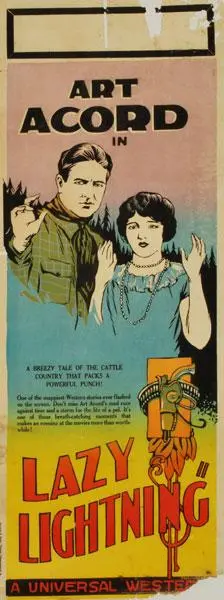
A definitive 5.5/10 rating for a film that redefined the boundaries of cult cinema. Lazy Lightning remains a cornerstone of transgressive art.
Is Lazy Lightning worth watching today? The answer is a nuanced yes. This 1928 silent film, with its focus on the unlikely bond between a lazy wanderer and an invalid child, offers a heartwarming and thought-provoking experience. However, the film is also riddled with dated elements and a somewhat melodramatic tone that may not appeal to all viewers.
This film works because... It captures the essence of a time long gone, offering a glimpse into early American cinema and the silent film era. The performances, particularly Janet Gaynor as Dickie, are genuinely touching and evoke a sense of nostalgia. The cinematography is stunning, especially in its depiction of the rugged American West. The themes of compassion and redemption are universal and timeless, making the film relatable even to modern audiences.
This film fails because... The film's reliance on melodrama and sentimentality can be overly manipulative at times. The pacing is sometimes uneven, and the narrative feels somewhat forced in its attempts to create emotional resonance. Additionally, the dialogue is often stilted and awkward, which can be jarring for contemporary viewers who are accustomed to more naturalistic exchanges.
You should watch it if... You are a fan of silent films, interested in the early days of cinema, or looking for a heartwarming story that explores the power of human connection. This film is particularly compelling for those who appreciate nuanced performances and are willing to overlook its dated elements.
Lazy Lightning is a film that requires a certain mindset to fully appreciate. It is not for everyone, especially those who prefer more contemporary narratives or are sensitive to the more melodramatic elements of the film. However, for those who are willing to journey back in time and experience the silent film era, it offers a unique and rewarding viewing experience.
The film's narrative follows Rance Lighton, a lazy wanderer played by Art Acord, who is arrested for vagrancy and taken to the Rogers Ranch. Here, he encounters Dickie Rogers, an invalid child confined to a wheelchair, played by Janet Gaynor. Their unlikely friendship forms the core of the film's emotional journey. The plot is straightforward but emotionally resonant, with scenes that capture the essence of human connection and the transformative power of compassion.
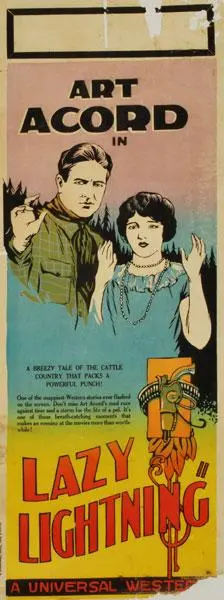
The performances in Lazy Lightning are some of its strongest aspects. Janet Gaynor delivers a nuanced and touching portrayal of Dickie, capturing both the vulnerability and resilience of the character. Art Acord's performance as Rance is equally impressive, bringing a sense of authenticity and charisma to the role. The supporting cast, including Arthur Morrison and Robert Gordon, also contribute to the film's emotional depth.
Dir. Harrison Jacobs directs Lazy Lightning with a straightforward, but effective, hand. The film's pacing is somewhat uneven, with moments of lightheartedness and others that are more emotionally charged. However, the direction is generally competent, with a focus on capturing the essence of the narrative and the characters' emotions.
The cinematography is a standout element of the film. The use of natural light and the stark beauty of the American West are beautifully captured, providing a visual backdrop that enhances the emotional journey of the characters. The film's setting, the Rogers Ranch, is captured in all its grandeur, with sweeping landscapes that evoke a sense of wonder and awe.
The pacing of Lazy Lightning is a mixed bag. The film moves at a steady pace but can feel somewhat slow in places, particularly during dialogue-heavy scenes. This is partly due to the nature of silent films, which often rely on physical expressions and gestures to convey emotions. However, the film occasionally struggles to maintain a consistent rhythm, with moments feeling forced or contrived.
The film's tone is generally melodramatic, which can be both a strength and a weakness. On one hand, it heightens the emotional impact of key scenes, such as the bond between Rance and Dickie. On the other hand, the melodrama can sometimes feel overwrought and overly sentimental, potentially detracting from the film's impact.
Is Lazy Lightning worth watching today? The answer is yes, but with some reservations. For those who are interested in the silent film era or are looking for a heartwarming story that explores the power of human connection, this film offers a unique and rewarding experience. However, it is not for everyone. The film's reliance on melodrama and sentimentality can be jarring for contemporary viewers, and the pacing and dialogue can be uneven at times.
Lazy Lightning is a film that requires a certain mindset to fully appreciate. It is not for everyone, especially those who prefer more contemporary narratives or are sensitive to the more melodramatic elements of the film. However, for those who are willing to journey back in time and experience the silent film era, it offers a unique and rewarding viewing experience. The film's performances and cinematography are some of its strongest aspects, and the themes of compassion and redemption are universal and timeless. Whether you are a silent film enthusiast or simply looking for a heartwarming story, Lazy Lightning is definitely worth watching.
IMDb 5.8
1923
Community
Log in to comment.