DbcultAccessing Vault...
5.6/10
Senior Film Conservator
A definitive 5.6/10 rating for a film that redefined the boundaries of cult cinema. Walter the Sleuth remains a cornerstone of transgressive art.
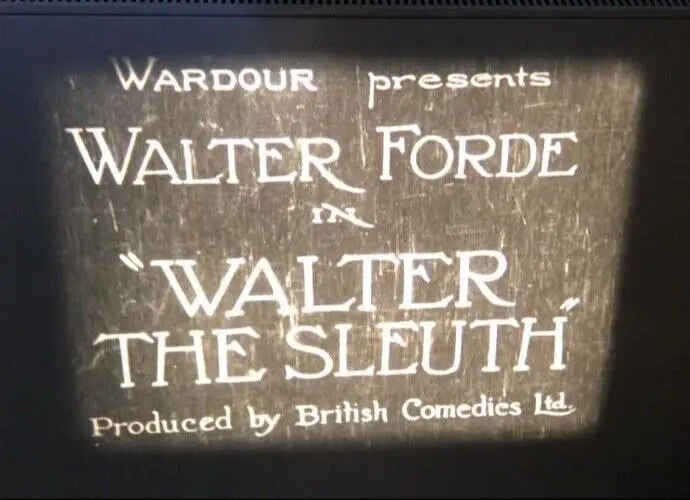
Is Walter the Sleuth a forgotten masterpiece of British silent comedy? Short answer: No, but it remains a fascinating and frequently hilarious artifact of an era when British cinema was desperately trying to find its own voice against the Hollywood juggernaut.
This film is for silent comedy enthusiasts who appreciate the kinetic energy of the 1920s and those interested in the evolution of the 'bumbling detective' trope. It is not for viewers who require narrative complexity or those who find repetitive physical gags tiresome.
1) This film works because Walter Forde possesses a rare, rubber-faced kineticism that bridges the gap between the music hall and the silver screen.
2) This film fails because its plot is a paper-thin excuse for repetitive chase sequences that lack the structural genius of contemporary American peers.
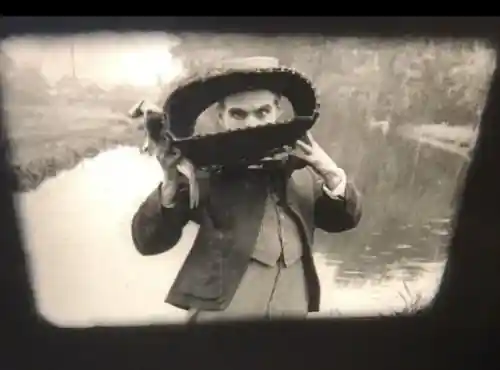
3) You should watch it if you want to see the DNA of the 'Inspector Clouseau' archetype being formed in a grainy, 1926 London studio.
Yes, if you enjoy historical context. Walter the Sleuth offers a window into the British film industry's attempt to replicate the success of stars like Harold Lloyd. The film provides genuine laughs through its sheer commitment to absurdity.
It is a quick, punchy experience. The runtime doesn't overstay its welcome. You get a sense of the creative energy of Walter Forde, who was not just the star but the creative engine behind the project.
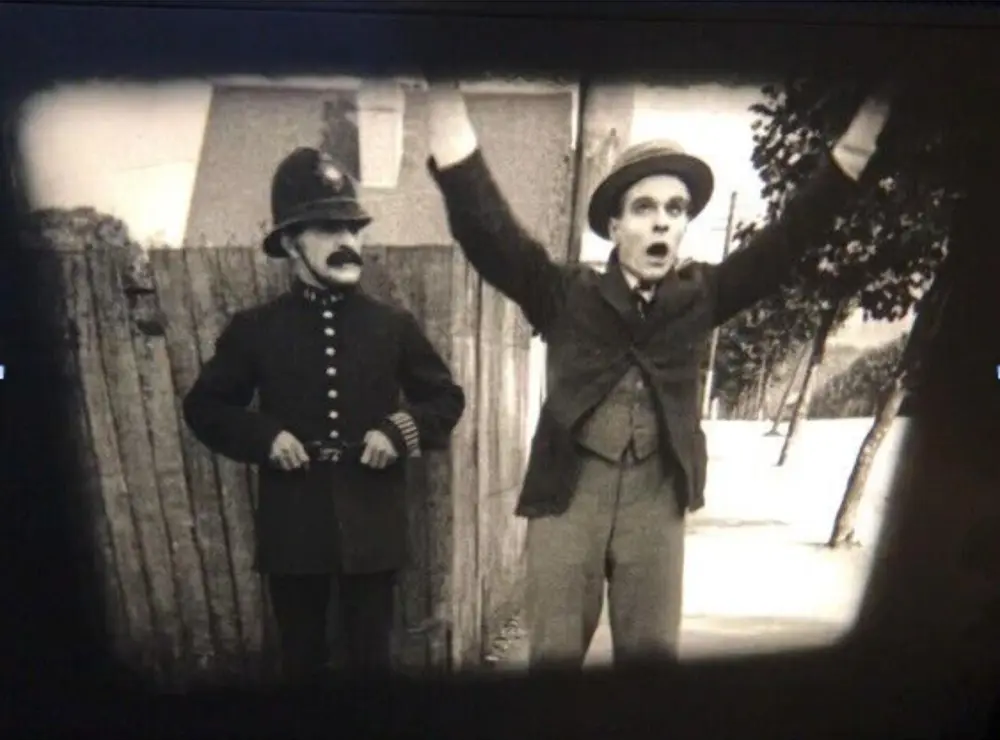
Walter Forde was often marketed as the British answer to Buster Keaton, but in Walter the Sleuth, he feels much more like a precursor to the chaotic energy of early sound-era comedians. The premise is simple: a girl needs a detective, and she finds Walter. The problem is that Walter is about as qualified to protect a gem as a cat is to guard a goldfish.
The film relies heavily on the 'fish out of water' dynamic. When Walter enters the father's estate, his attempts to look 'detective-like' involve a series of ridiculous disguises and a magnifying glass that he uses for everything except finding clues. It is derivative, sure, but Forde’s timing is impeccable.
Unlike the more rugged masculinity found in The Man from Glengarry, Forde leans into a soft, malleable persona. He is the victim of his own environment. When he tries to look tough, he accidentally hits himself with his own prop. It works. But it’s flawed.
Forde, who also wrote the film, understands that silent comedy is built on the interaction between a human body and an inanimate object. In one standout scene, Walter attempts to hide behind a curtain that is far too small for him. The logic is cartoonish, yet the execution is grounded in a strange, desperate reality.
The cinematography is serviceable for 1926, though it lacks the experimental flair seen in European films like The Cabaret. Most of the shots are wide to accommodate the physical stunts, which was the standard of the time. However, there are moments where the camera lingers on Forde’s expressions, capturing a vulnerability that makes him likable despite his incompetence.
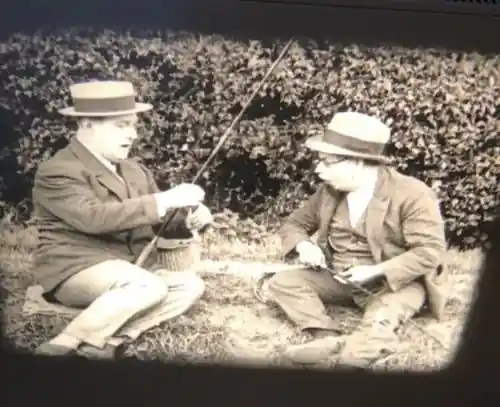
The pacing is relentless. Once the 'sleuthing' begins, the film rarely pauses for breath. This is both a strength and a weakness. It keeps the energy high, but it prevents any real tension from building around the father's gem. We know Walter will fail upward, and the film doesn't try to convince us otherwise.
Pauline Peters plays the 'girl' with the standard wide-eyed earnestness required of the era. Her role is largely functional—she is the catalyst for Walter’s chaos. While she doesn't get much to do comedically, her presence provides the necessary stakes for the slapstick to feel grounded.
George Foley, as the father, plays the straight man with a level of gravitas that makes Walter’s antics feel even more ridiculous. The contrast between Foley’s stern demeanor and Forde’s frantic movements is where the best comedy lives. It reminds me of the social friction explored in Lost: A Bridegroom, though with significantly more falling over.
Historically, this film sits in a weird spot. It was released during a time when the British government was trying to protect the local industry through the Cinematograph Films Act. You can see the effort to create a 'British Brand' of comedy here—one that is slightly more self-deprecating than its American counterparts.
Pros:
Cons:
Watching Walter the Sleuth today, one cannot ignore the technical constraints. The lighting is often flat, and the sets feel thin. Yet, there is a charm in this minimalism. It forces the comedy to rely on the performer rather than the production value.
Compared to the more somber tones of Charity or the social commentary of Prohibition, Walter the Sleuth is pure escapism. It doesn't want to change the world; it just wants to see a man trip over a rug while trying to look sophisticated. There is a brutal simplicity in that goal.
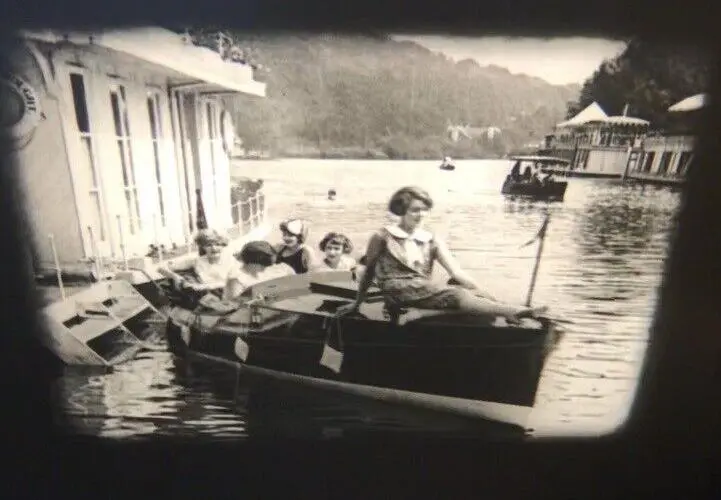
One surprising observation: Forde’s use of the frame. He often enters from unexpected angles, using the entire space to create a sense of geographical confusion. This heightens the 'sleuth' parody, as he seems to be looking for clues in places that don't exist.
Walter the Sleuth is a minor work in the grand scheme of cinema, but it is a vital one for understanding the British comedic voice. Walter Forde was a talent who deserved more international recognition, and this film showcases why. It is a bit of a mess, but it is a joyful, energetic mess.
If you go in expecting the polish of a Chaplin feature, you will be disappointed. But if you go in looking for a raw, enthusiastic, and occasionally brilliant display of physical wit, you will find exactly what you need. It’s a relic, but a shiny one.
"A frantic, unpolished, yet undeniably charming example of how British cinema tried to out-clown Hollywood in the silent era."
IMDb 7.2
1931
Community
Log in to comment.