DbcultAccessing Vault...
Cult Review
Senior Film Conservator
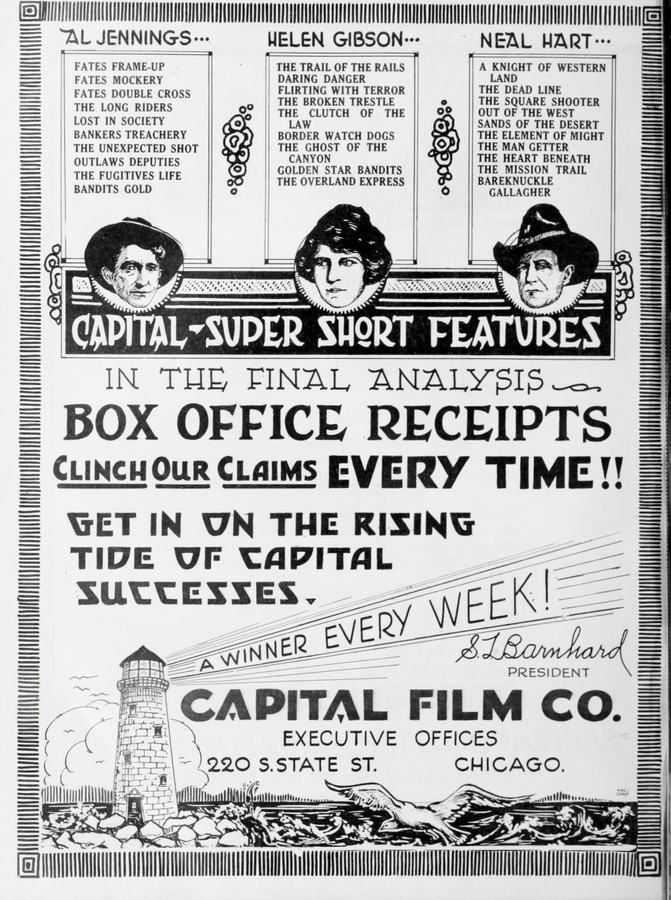
Picture a cantina ceiling fan that turns like a lazy guillotine, each blade ticking off another second of borrowed time. That is the metronome for A Fugitive’s Life, a 1919 one-reeler that somehow crams an entire lifetime of camaraderie and insurrection into thirteen combustible minutes. The film—long thought vanished until a nitrate splice surfaced in a Tegucigalpa flea-market—plays like a fever dream stitched from dime-novel mythology and the sour perfume of tropical decay.
Director Al J. Jennings casts himself in the role fate wrote for him: the reformed train-robber turned accidental revolutionary. He is not so much acting as exhuming. Opposite him, Clarence Apeck’s O. Henry is all sardonic eyebrow arches and consumptive elegance, a man who knows the value of a surprise ending because he has been crafting his own for years. Their chemistry is the spark that ignites the narrative tinder: two con artists of circumstance trading stories the way card-sharps trade aces.
Visually the picture is a study in chiaroscuro that would make Behind the Mask blush. Cinematographer Vivian Gane bathes the Honduran exteriors in umber and verdigris, so that every frame feels damp enough to wring out. Torchlight scenes flare like Beardsley engravings; shadows possess the density of felt. When Jennings strides across the plaza, his silhouette is a wanted poster projected against colonial stucco. The revolutionaries’ white shirts become moving canvases for flickering orange firelight, a living shorthand for the violence about to spill.
The plot, elliptical as a bullet wound, refuses the tidy arc we expect from speed-driven westerns. Instead it loops, doubles back, and ends on a punch-line that stings precisely because it is not funny. Jennings and Porter watch the coup fail from a bell tower; their laughter ricochets off cobblestones as federal troops march in. The laugh is the last twist of O. Henry’s knife: revolutions, like short stories, need perfect timing—and both men arrived a stanza too late.
Intertitles—hand-lettered in Jennings’s own jagged scrawl—read like ransom notes from the id. “A man can outrun the law, but the law ain’t what’s chasing him,” one card sneers. Another, soaked in coffee to fake age, confesses “Friendship is the only crime we never deny.” These textual stabs do more than exposit; they haunt, functioning like the marginalia of a bandit autobiography that keeps rewriting its own moral.
Compare this to At the Front, where war is spectacle, or The Trail of the Holdup Man, where outlawry is romantic pageant. Jennings’s film strips both traditions bare, revealing the raw scar tissue beneath. His revolution is not a set-piece but a shaggy-dog story told by men too aware of their own punch-worthiness. The camera refuses to glamorize: when a peasant soldier is shot, the lens watches the body until the twitching stops, then tilts upward to vultures already scripting tomorrow’s headlines.
The sound of silence here is weaponized. Without orchestral sentiment to cue catharsis, the viewer becomes eavesdropper on history’s muttered asides. Each creak of leather, each distant church bell, feels imported from a documentary that never existed. The absence of score is the film’s most modernist flourish: it anticipates the neorealist cry that location noise equals moral truth.
Jennings the auteur is ruthless with Jennings the persona. He allows his character to be humiliated—shirt torn, revolver jammed, forced to hide inside a priest’s confessional while bullets chew the wood like termites. Self-mythology is scalpeled away until what remains is a sunburned Everyman clutching a story he no longer believes. Meanwhile Apeck’s Porter/O. Henry scribbles even as gunfire splinters the inkwell, converting chaos into copy. Art, the film implies, is just another confidence trick—yet the only one worth dying for.
Gender dynamics flicker at the margins. Vivian Gane, who also essayed the revolutionary firebrand Rosa, weaponizes fan and eyebrow with equal precision. Her close-ups—eyes matte-black like wet coffee beans—interrupt the masculine bravado, reminding us that revolutions begin in kitchens and brothels long before they reach the plaza. One breathtaking iris shot frames her face within a bullet hole in a church door, a visual haiku that compresses desire, danger, and documentation into a single glyph.
Editing rhythms mimic the stop-start gasps of a man sprinting uphill with a stitch in his side. Scenes end on freeze-frames that bleed into sepia photographs, suggesting memory’s habit of stuttering just when clarity beckons. The final freeze—Jennings and Porter handcuffed together yet grinning like schoolboys—hovers onscreen until the emulsion itself seems to surrender, melting into a white flare that might be sunrise or gunflash. The ambiguity is the point: freedom and captivity share the same pair of wrists.
Historically the film is a palimpsest. Jennings really did flee to Honduras after his Oklahoma prison stretch; Porter really was a fugitive from embezzlement charges. They met, they drank, they watched a Central American government swap uniforms in a courtyard. The revolution itself—nameless in the film—echoes the 1911 Bonillista uprising, though Jennings compresses timelines the way a bard folds epics into stanzas. Accuracy is less relevant than emotional verisimilitude: the sense that history is merely gossip surviving long enough to become footnote.
Cinephiles will catch visual quotes from Money’s expressionist interiors and From Gutter to Footlights’ backstage fatalism. Yet Jennings’s synthesis is utterly idiosyncratic: he crossbreeds American outlaw iconography with Latin magical realism a decade before García Márquez picked up a pen. The result feels closer to a corrido whispered through missing teeth than to any Griffith spectacle.
Restoration notes: the recovered print is a 9.5 mm Pathé baby-gauge reduction, water-stained and spider-cracked. Digital 4K scanning revealed underexposed edges where Jennings’s shadows pool like liquid tar. Tinting follows archival speculation—amber for interiors, viridian for jungle nights, rose for the fleeting flashback of Jennie the lost sweetheart. The decision to leave reel-change cigarette burns intact honors the artifact’s bruises; they glow like small suns heralding each new act.
Contemporary resonance? Swap bandoliers for AR-15s and the film could be set in any modern failed state. Jennings’s meditation on masculine friendship under siege prefigures Peckinpah, while the meta-narrative of storyteller-as-accessory anticipates Adaptation. The final handshake between felon and fabulist is a silent pact: we will lie about this until the lie becomes legend, then we will die laughing.
Verdict: essential viewing for anyone who believes the Western needed a blood transfusion, or that bromance required a firing squad.
IMDb 6.2
1934
Community
Log in to comment.