DbcultAccessing Vault...
6.7/10
Senior Film Conservator
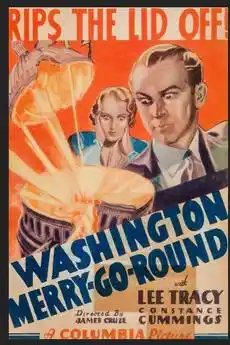
A definitive 6.7/10 rating for a film that redefined the boundaries of cult cinema. Washington Merry-Go-Round remains a cornerstone of transgressive art.
If you are in the mood for some fast-talking, old-school political anger, Washington Merry-Go-Round is absolutely worth seventy-five minutes of your time tonight. It is basically the cynical, pre-Code older brother of Mr. Smith Goes to Washington.
If you love fast-paced 1930s dialogue and politicians getting punched in the face, you will have a great time. But if you cannot stand old movies where the main guy yells all his lines, you should probably skip this one. 🏛️
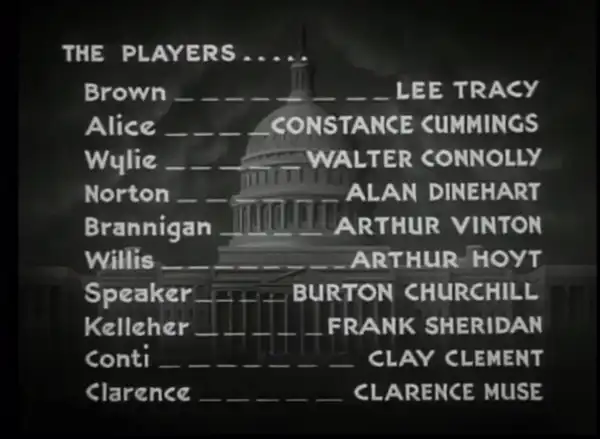
Lee Tracy plays Button Gwinett Brown. Yes, that is his actual name in the movie.
He is a newly elected congressman who goes to Washington thinking he can actually fix things. He wears his hat pushed way back on his head and talks so fast you might need to turn the subtitles on just to catch the jokes.
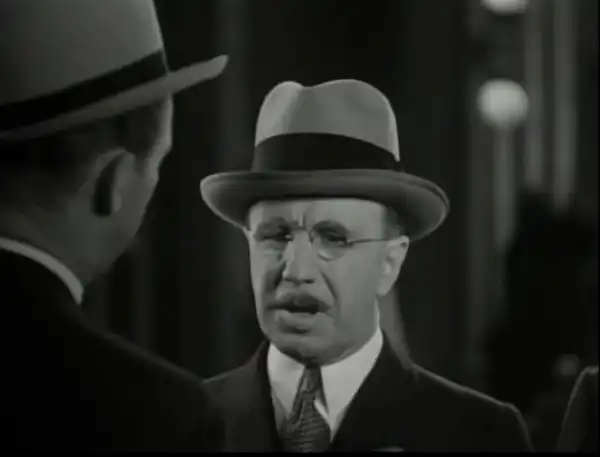
The plot gets moving when Button meets Senator Norton, who is the king of the corrupt guys. Norton is played by Alan Dinehart, who has the kind of pencil mustache that immediately tells you he is up to no good.
Button also falls hard for Alice, played by Constance Cummings. Alice is the granddaughter of a sweet old senator who is being used by the bad guys.
She has this great scene where she looks at Button like he is a strange bug. But then she immediately starts helping him anyway.
There is a weirdly specific moment early on where a guy is trying to write a speech and just keeps tearing up paper. The pile of crumpled paper on his desk is absurdly huge, like he has been trying to write one sentence for three days straight.
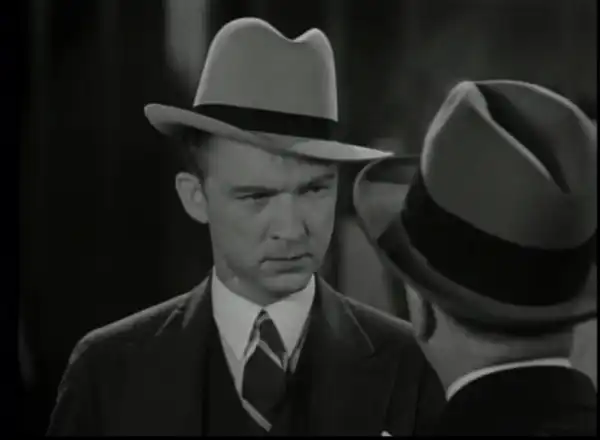
I love little background details like that. It feels like someone actually lived in that messy office.
The movie gets really interesting when the Bonus Army shows up. These are real-life WW1 veterans who camped out in D.C. asking for their pensions.
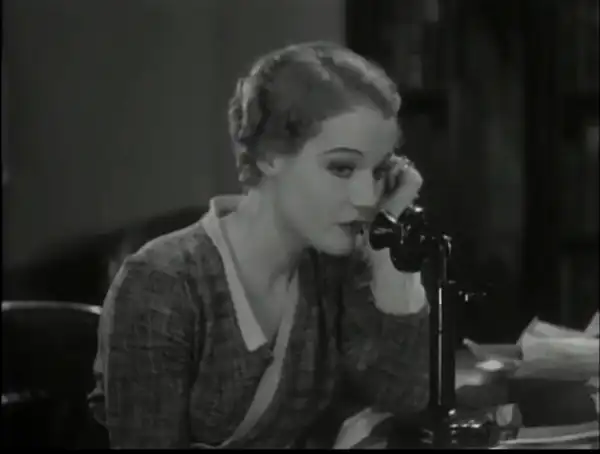
It is wild to see them used as a plot device here, basically acting as Button's personal army of angry helpers. They hang out in these muddy shacks and look incredibly tired.
Some of the editing is pretty rough, though. One scene just cuts right in the middle of a sentence, and suddenly we are in a completely different office.
It feels like the editor just ran out of tape or got bored and moved on. Honestly, it kind of adds to the charm.
If you have seen older silent films like Buckshot John, you know how these fast-paced morality plays usually go. The bad guys are incredibly bad, and the good guys are almost painfully loud about their honesty.
But Lee Tracy makes it work because he is so energetic. He does not just talk; he vibrates.
The ending happens so fast you might blink and miss it. Suddenly everything is resolved, the bad guys are ruined, and there is a quick romantic hug.
It is not perfect, but it is a lot of fun if you like this era.
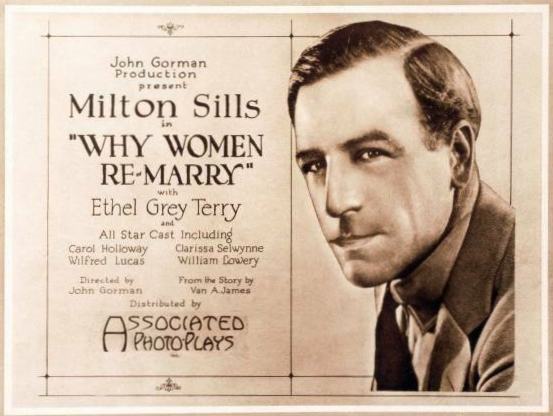
IMDb —
1923
Community
Log in to comment.