DbcultAccessing Vault...
Cult Review
Senior Film Conservator
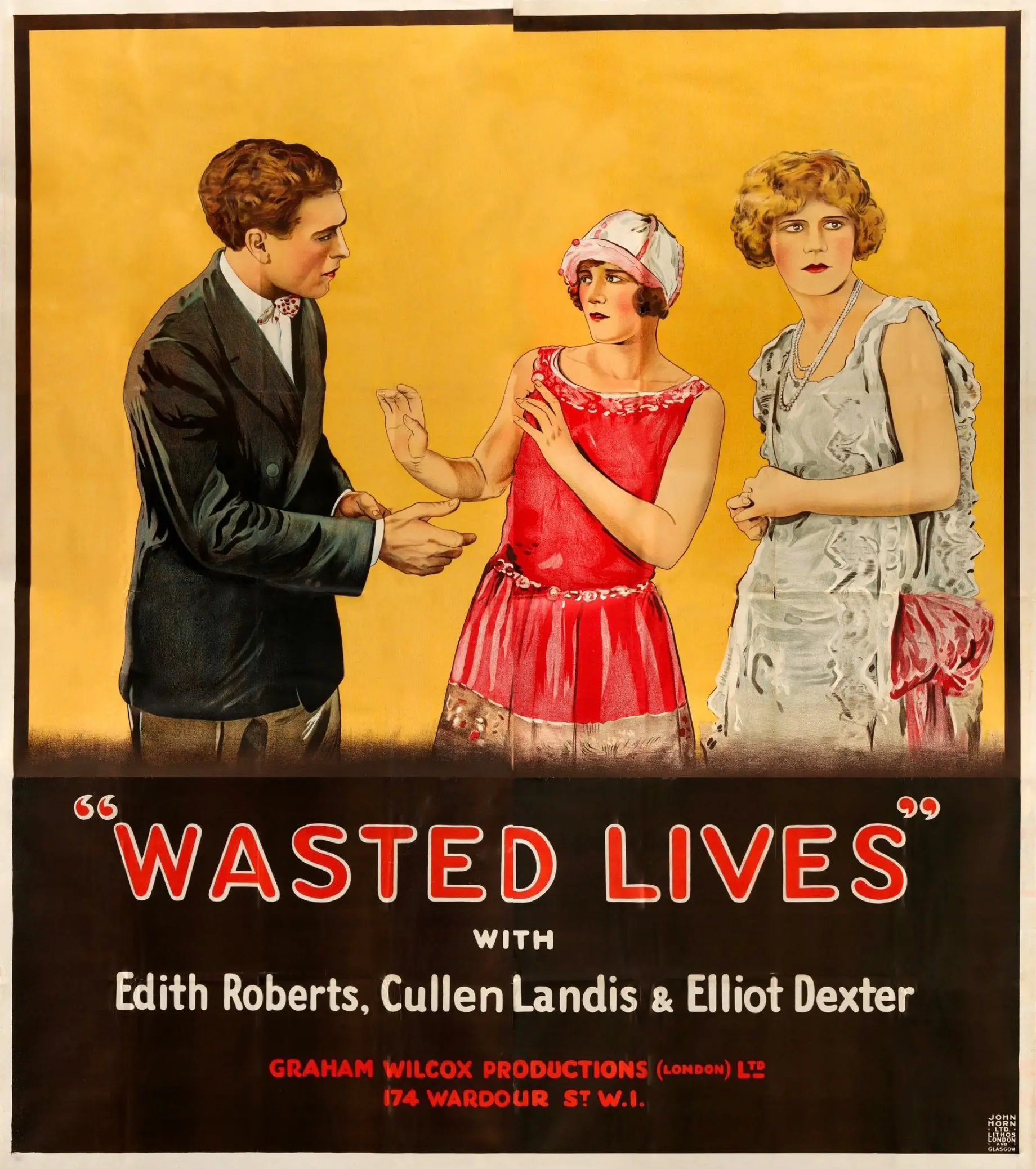
Wasted Lives is a film that transcends the confines of its era, offering a profound commentary on the human condition through its complex characters and their intricate, often morally ambiguous, lives. Set in the early 20th century, the narrative is a tapestry woven from the threads of societal expectations and personal desires, creating a rich and layered exploration of the human psyche.
The plot revolves around a group of characters whose lives are interconnected in ways that are both fascinating and disturbing. Betty Francisco, Edith Roberts, and Cullen Landis are central figures, each navigating their own moral and ethical dilemmas. Their stories are interwoven with those of Henry Hull, Hayford Hobbs, Elliott Dexter, and Phillips Smalley, creating a complex web of relationships and conflicts that challenge the viewer's understanding of right and wrong.
In terms of craftsmanship, Wasted Lives is a remarkable achievement. The direction, by an unnamed but undoubtedly skilled director, is masterful in its ability to capture the essence of the characters' inner turmoil. The cinematography is both beautiful and haunting, with each frame a window into the minds of the characters. The use of light and shadow is particularly effective in conveying the emotional weight of the scenes, making the film a visual as well as a narrative experience.
The performances are uniformly excellent, with every actor bringing depth and nuance to their roles. Betty Francisco's portrayal of the protagonist is particularly noteworthy, capturing the complexity of her character's journey with a stunning range of emotions. The supporting cast, including Edith Roberts and Cullen Landis, also deliver compelling performances, adding layers to the already rich narrative.
Thematically, Wasted Lives is a film that challenges the viewer at every turn. It delves into the moral and ethical dilemmas of its characters, forcing the audience to question their own beliefs and values. The film explores themes of love, loss, redemption, and the consequences of our choices, all set against the backdrop of a society grappling with the rapid changes of the early 20th century.
The writing, by Maude P. Kelso and Van A. James, is both intelligent and thought-provoking. The dialogue is sharp and often razor-edged, reflecting the characters' inner turmoil and the societal pressures they face. The script is well-structured, with a clear and coherent narrative that keeps the viewer engaged from start to finish.
In comparison to other films of the era, Wasted Lives stands out for its depth and complexity. It is reminiscent of films like No Parking and Le marchand de plaisirs, which also explore the moral and ethical dilemmas of their characters. However, Wasted Lives goes beyond the surface-level explorations of these films, delving into the characters' psyches in a way that is both profound and deeply moving.
In conclusion, Wasted Lives is a film that deserves to be seen and discussed. It is a masterclass in storytelling, with a narrative that is both rich and complex. The performances are outstanding, and the writing is intelligent and thought-provoking. This film is a must-watch for anyone interested in exploring the depths of the human condition.
Wasted Lives is a film that challenges, provokes, and ultimately, moves. It is a reminder that the best films are those that make us think, question, and reflect on our own lives. It is a testament to the power of cinema to explore the complexities of the human experience.
IMDb 5.8
1921
Community
Log in to comment.