DbcultAccessing Vault...
Cult Review
Senior Film Conservator
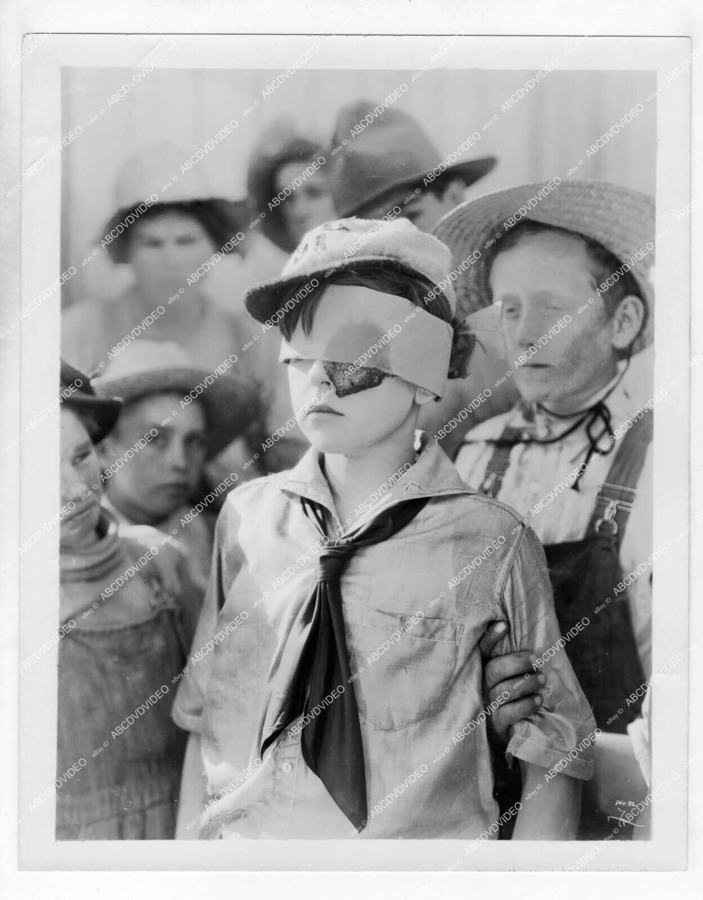
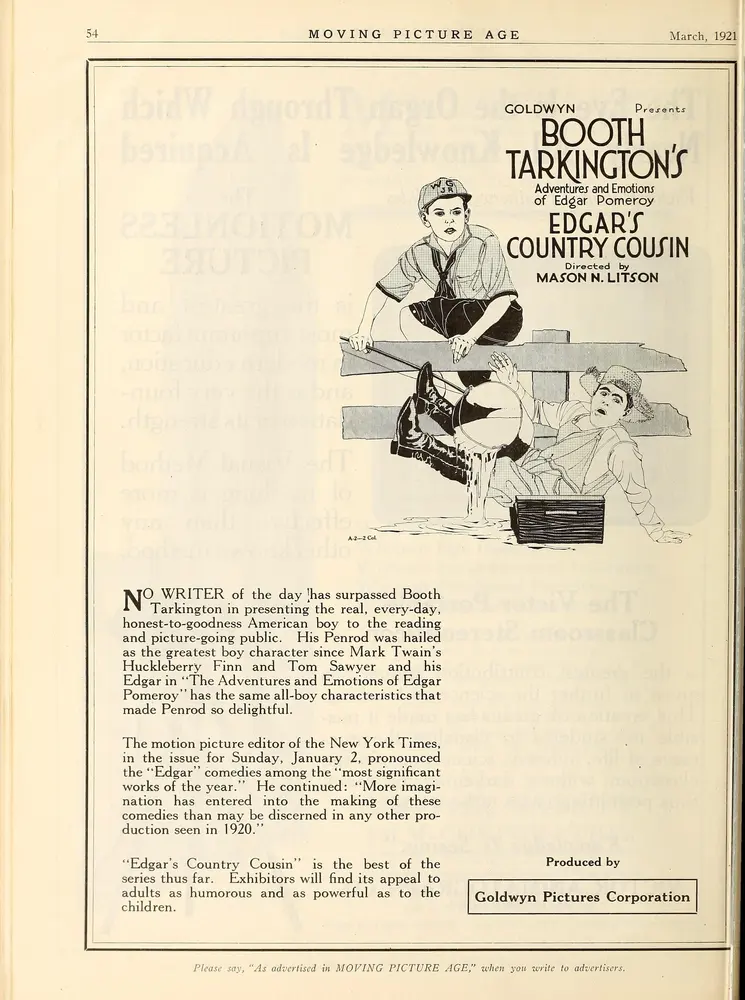
Edgar’s Country Cousin, a 1920s silent comedy directed with the frenetic charm of a vaudevillian’s punchline, is a cinematic relic that thrives in the liminal space between farce and fable. Edward Peil Jr., as the city-bred interloper, embodies the archetype of the overreaching cosmopolitan—a figure both endearing and exasperating in his relentless pursuit of cultural domination. His arrival in the countryside is less a visit and more an incursion, armed with a satchel of urban tropes and a misplaced belief in the superiority of asphalt over dirt paths.
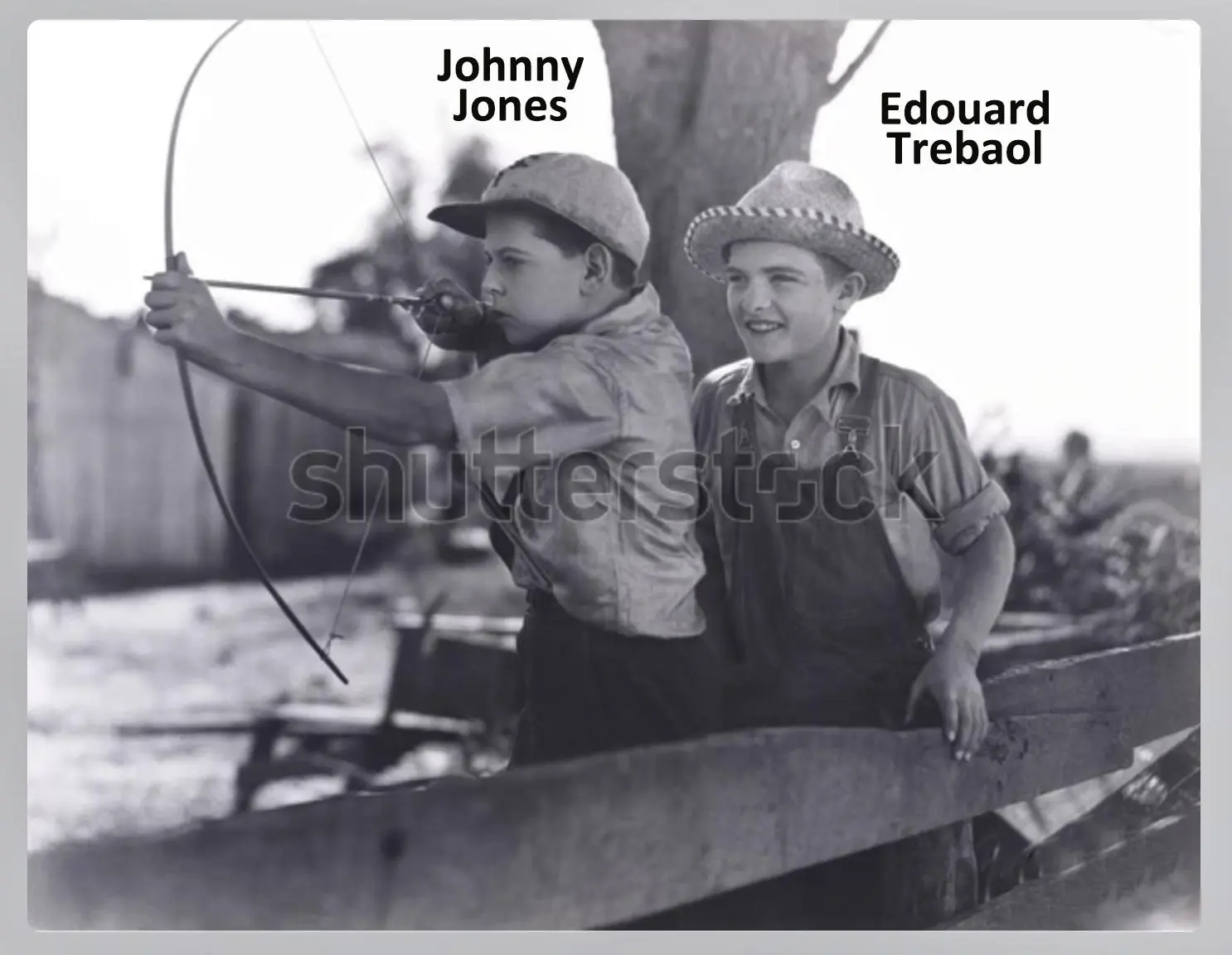
The film’s genius lies in its satirical dissection of urban pretension. Edgar’s attempts to impress his cousin’s gang—whether by barefoot treks (a misguided homage to rural authenticity) or by demonstrating the ‘luxury’ of city streetcars—unspool with the comedic precision of a Rube Goldberg machine. Each endeavor collapses under the weight of its own absurdity: a bee sting sequence, staged with the choreographic rigor of a Marx Brothers routine, becomes a visceral metaphor for the sting of cultural arrogance. The gang’s reactions oscillate between mockery and reluctant admiration, a dynamic that mirrors broader societal tensions of the era.

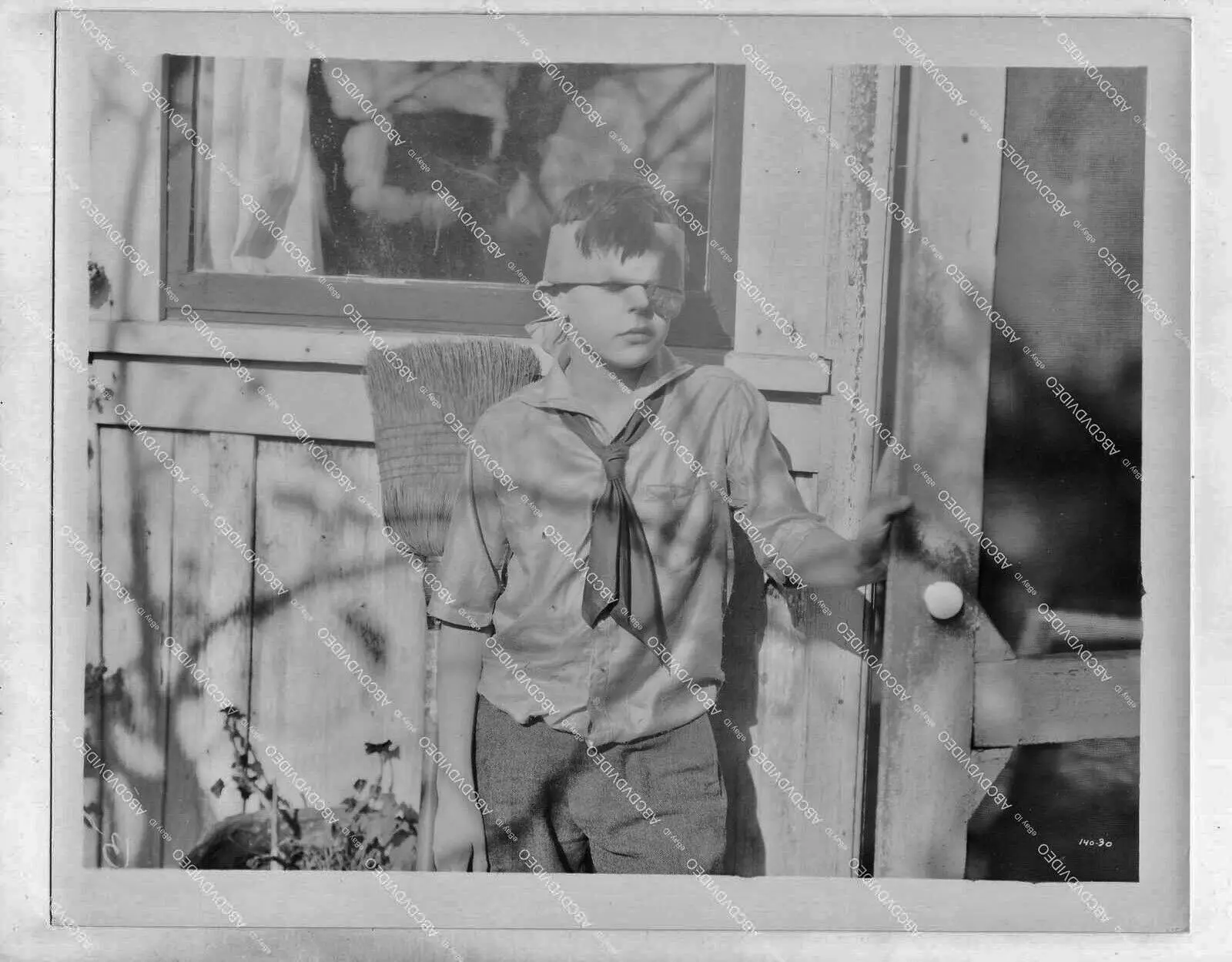
Peil’s performance is a masterclass in physical comedy, his exaggerated gestures and wide-eyed naivety evoking both sympathy and scorn. His black eye, earned during a botched attempt to rope like a ‘real cowboy,’ is less a defeat than a badge of honor—a testament to his refusal to concede to the ‘barbarism’ of rural life. The film’s refusal to let Edgar fully capitulate is its quiet radical act, suggesting that resilience (even misguided resilience) is its own form of victory.
Visually, the film is a study in contrasts. The cityscapes, rendered in sharp, angular cuts, are juxtaposed with the languid curves of the countryside. The editing—by modern standards rudimentary—achieves a rhythmic urgency, propelling Edgar’s antics toward their inevitable crescendo. The color palette of the film’s surviving reels (though largely monochromatic) hints at a directorial interest in mood, with sepia-toned flashbacks to the city serving as a ghostly reminder of Edgar’s roots.
This visual language finds echoes in later works like The Secret Garden, where urban and rural settings are similarly pitted against each other. Yet where Frances Hodgson Burnett’s adaptation leans into pastoral mysticism, Edgar’s Country Cousin revels in the anarchy of cultural collision. Both films, however, share a belief in the transformative power of cross-pollination—whether of environments or ideas.
At its heart, the film interrogates the myth of progress. Edgar’s ‘superior’ city life is revealed as a gilded cage, its conveniences mere props for a delusional hierarchy. The country, though portrayed with the simplicity of a child’s crayon drawing, emerges as a realm of raw, unfiltered existence. This duality is not new to cinema; indeed, it prefigures the rural vs. urban dichotomy in Wuthering Heights, where the moors serve as a counterpoint to the stifling drawing rooms of civilization. Yet Edgar’s Country Cousin approaches the theme with a levity that softens its critique, transforming polemic into pantomime.
The supporting cast—particularly Marie Dunn’s cousin, who oscillates between exasperation and reluctant camaraderie—adds texture to the narrative. Her character, though underdeveloped, serves as the moral compass of the piece, her eventual grudging respect for Edgar’s tenacity underscoring the film’s thesis: that true worth lies not in cultural capital but in the capacity to endure.
While Edgar’s Country Cousin lacks the literary heft of The Root of Evil or the emotional gravity of Children of Eve, it occupies a unique niche in the canon of early American cinema. Its influence can be traced in the misadventures of Mouchy, another tale of urban folly, and in the proto-surrealism of Anima Allegra, where reality bends to the whims of the protagonist.
What sets Edgar apart is its unapologetic embrace of futility. Unlike the redemptive arcs of Luck and Pluck, where perseverance is rewarded, Edgar’s journey is a loop of repeated failure—a narrative choice that feels strikingly modern. It’s a film that asks not ‘What can we learn?’ but ‘What if we learned nothing?’ and finds beauty in that void.
Edgar’s Country Cousin is a film of contradictions: a satire that’s also a paean, a farce that’s also a fable. Its charm is in its sincerity, its genius in its simplicity. Peil’s performance, though hammy by today’s standards, is a relic of an era when acting was an exaggerated art form, a visual language for a silent medium. The film’s flaws—its occasional meandering, its reliance on slapstick over subtlety—are not weaknesses but windows into its time.
For modern audiences, it offers a curious blend of historical curiosity and timeless humor. It’s a film that invites multiple readings: as a relic of Edwardian optimism, as a forerunner to the antihero narratives of the mid-century, or simply as a joyride through the absurdist landscape of cultural clashing. In an age where urban-rural divides remain a flashpoint, Edgar’s Country Cousin is a reminder that the journey—no matter how bruised—is often more illuminating than the destination.
Ultimately, the film’s enduring appeal lies in Edgar himself. A figure who, despite bee-stung faces and bruised egos, declares the experience a ‘bully time.’ His is a resilience that transcends the screen, a testament to the human capacity to find joy in the chaos of misadventure. And in that, perhaps, lies the film’s greatest triumph: it turns a stumbling journey into a celebration of stubborn, unapologetic optimism.

IMDb 6.9
1926
Community
Log in to comment.