DbcultAccessing Vault...
Cult Review
Senior Film Conservator

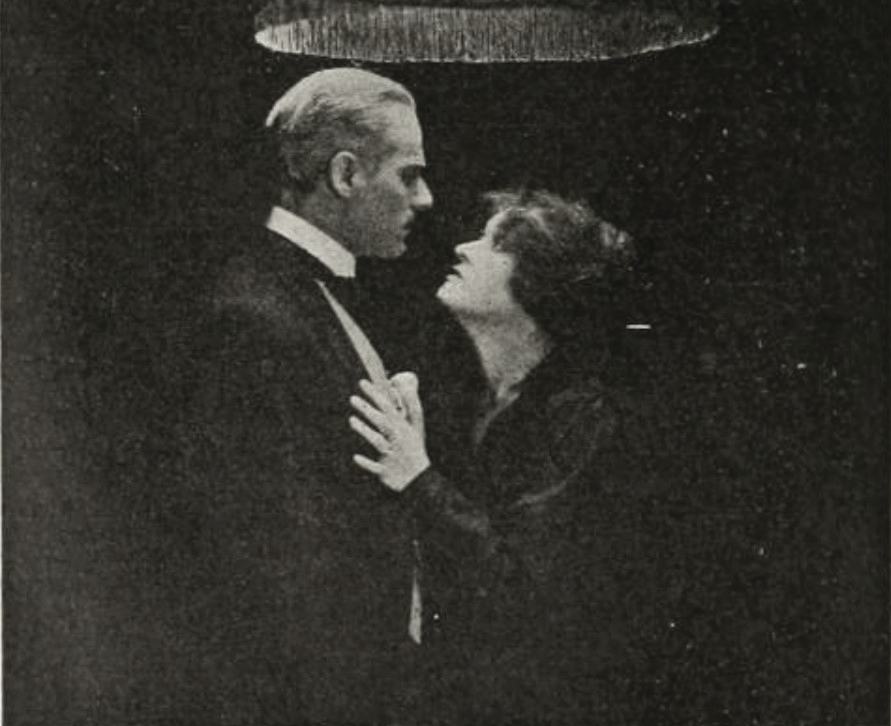
Mrs. Slacker, a cinematic gem from the golden age of Hollywood, presents a riveting exploration of moral conflict and personal integrity. Directed with a deft hand by Agnes Christine Johnston, the film's narrative is as much a study in character dynamics as it is a commentary on societal expectations during wartime. The story orbits Susie, portrayed with luminous intensity by Creighton Hale, whose unyielding commitment to her causes seems almost anachronistic in an era where individual motives are often shrouded in ambiguity. Her marriage to Robert, played by Paul Clerget, serves as a microcosm of the larger themes of the film: the juxtaposition of public image against private cowardice.
The film's opening sequences establish Susie as a woman of action, her efforts to support the Red Cross through theatrical productions a testament to her civic spirit. However, the narrative's pivot comes when her affection for Robert, initially portrayed as a noble warrior, is revealed to be a tragic misunderstanding. Robert's draft dodging, a transgression cloaked in the guise of romance, becomes the catalyst for the film's descent into moral chaos. This revelation, delivered with a masterful blend of irony and pathos, sets the stage for Susie's metamorphosis from a passive supporter of war efforts to an unwitting participant in the very conflict she sought to aid.
Johnston's script is a labyrinth of ethical quandaries, each scene meticulously crafted to provoke introspection. The decision by Susie to offer herself as a substitute for Robert is not merely a plot device; it is a profound meditation on the sacrifices demanded of those in the shadows of history. Her capture and subsequent experiences in enemy territory, depicted with a haunting realism, underscore the film's central thesis: that true heroism often lies in the silent endurance of the unseen.
The performances, particularly those of Hale and Clerget, are instrumental in conveying the film's emotional gravity. Hale's portrayal of Susie is a masterclass in understated resilience, her character's inner turmoil subtly etched into every glance and gesture. Clerget, in contrast, embodies the fragility of a man whose bravado is a facade for deep-seated fear. The supporting cast, including Walter Hiers and Gladys Hulette, provide the necessary texture to the film's socio-political landscape, their characters representing the broader societal currents that both enable and challenge the protagonists.
Comparative analysis with other films of the era reveals Mrs. Slacker's unique position in the canon of war narratives. While Malombra explores the gothic underpinnings of fear and The Patriot delves into the ideological fervor of revolution, Mrs. Slacker distinguishes itself by focusing on the intimate repercussions of war on personal relationships. The film's treatment of its themes resonates with the same emotional candor found in Great Expectations, where societal expectations and individual desires collide in a dance of disillusionment.
Visually, the film is a study in contrasts. The opulent settings of Susie's fundraising plays starkly contrast with the grim realities of the war front, a visual metaphor for the chasm between perception and reality. The use of chiaroscuro lighting in scenes depicting Susie's captivity is particularly striking, casting her in a perpetual twilight that mirrors her psychological state. Such technical elements are not mere aesthetic choices but integral to the storytelling, enhancing the narrative's emotional impact.
The film's score, though uncredited in the credits, deserves mention for its ability to elevate key moments without overpowering the narrative. The haunting melodies that accompany Susie's journey from hope to despair are a silent character in their own right, guiding the audience through the emotional arc of the story. This auditory dimension, combined with the visual motifs, creates a sensory tapestry that is both immersive and evocative.
In considering the historical context, Mrs. Slacker is a product of its time, reflecting the anxieties and contradictions of a society grappling with the realities of war. The film's unflinching look at draft evasion and the moral compromises of its characters places it in a lineage of works that challenge patriotic narratives, akin to The Decoy, which similarly subverts traditional notions of heroism. However, unlike some of its contemporaries, Mrs. Slacker does not offer easy resolutions, leaving its audience with a lingering sense of unease and a call to introspection.
In conclusion, Mrs. Slacker stands as a testament to the power of cinema to dissect complex moral landscapes. Its unvarnished portrayal of human frailty and the paradoxes of virtue in times of crisis ensures its place as a thought-provoking classic. For those seeking films that challenge conventional narratives, a foray into Anything Once or Headin' South may provide additional perspectives on the interplay between personal ethics and societal pressures. Yet, it is Mrs. Slacker's unique blend of emotional depth and narrative audacity that cements its legacy in the annals of film history.
IMDb 6.3
1932
Community
Log in to comment.