DbcultAccessing Vault...
Cult Review
Senior Film Conservator
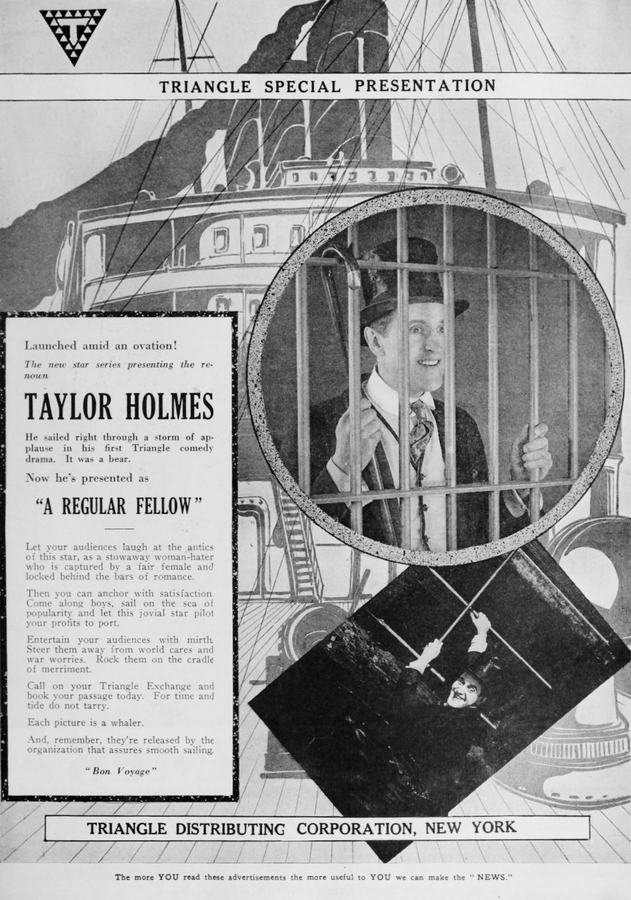
Ah, the enduring allure of the early cinematic era! There’s a particular charm, a unique energy, to films from the late 1910s, a period when the language of cinema was still being vigorously defined and refined. Amidst this vibrant crucible of nascent storytelling, we find A Regular Fellow, a 1919 offering that, despite its seemingly unassuming title, dives headfirst into a delightful maelstrom of romance, mistaken identity, and the stubborn resistance of a man convinced he knows best. Directed with a brisk pace that keeps the narrative spinning, this film, penned by the prolific Daniel Carson Goodman, presents a fascinating study in human folly and the unpredictable nature of the heart.
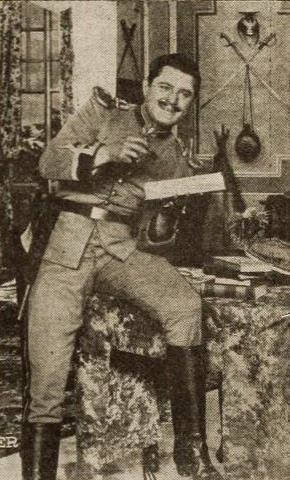
At the core of this engaging tale is Dalion Pemberton, portrayed with a captivating blend of cynicism and eventual vulnerability by the inimitable Taylor Holmes. Holmes, a familiar face from the silent screen, brings a nuanced depth to Dalion, a character initially painted as a veritable curmudgeon, particularly when it comes to matters of the heart. His grandfather’s will, a document surely crafted with a mischievous twinkle in the old man's eye, stipulates a rather peculiar condition for Dalion to inherit his vast estate: he must marry Virginia Christy. The catch? Dalion has never met Virginia. Indeed, his distrust of women is so profound, so ingrained in his very being, that the mere suggestion of a forced union with a stranger, regardless of the financial windfall, is anathema to him. This initial refusal sets the stage for a classic narrative arc, one where a character’s deeply held convictions are systematically challenged and ultimately dismantled by the capricious hand of fate.
Dalion’s resolute rejection of the inheritance, a decision that speaks volumes about his principles (or perhaps, his stubbornness), propels him into a journey of self-discovery, albeit an unwilling one. The story truly ignites when Dalion, seeking respite or perhaps just an escape from his familial obligations, finds himself in the bustling, sun-drenched streets of Buenos Aires. It is here, amidst the vibrant tapestry of Argentine life, that destiny, in its most ironic form, delivers a seismic shock to his carefully constructed worldview. He spots her: a woman of breathtaking beauty, a vision that instantly shatters his preconceived notions and melts his icy resolve. This sudden, almost instantaneous infatuation is a testament to the power of cinematic romance, a trope that, even a century ago, held audiences captive. The woman, whose identity remains a tantalizing mystery to Dalion, becomes the sole object of his desire, eclipsing any lingering thoughts of inherited wealth or pre-ordained marriages.
His infatuation, far from being a fleeting fancy, takes root with an alarming intensity. Upon discovering that this enigmatic beauty is embarking on a voyage to New York City, Dalion, shedding his earlier disdain for romantic entanglement, makes a decision as impulsive as it is daring: he stows away on the same ship. This act of desperate pursuit is where the film truly embraces its comedic and dramatic potential, transforming a tale of inheritance into a rollicking adventure at sea. The confined quarters of a transatlantic liner, the close proximity of strangers, and the ever-present threat of discovery create a perfect crucible for both romantic tension and farcical mishaps. It's a classic setup that echoes the grand tradition of cinematic chases and mistaken identities, a narrative device that has charmed audiences for generations. The journey, however, is anything but smooth sailing, and as the title subtly hints, Dalion Pemberton, despite his initial protestations, is about to discover that he is, after all, just a regular fellow, susceptible to the same human foibles and romantic impulses as anyone else.
The cast, under the astute guidance of director Joseph Henabery, delivers performances that, while constrained by the conventions of silent film, convey a surprising range of emotion. Taylor Holmes, as Dalion, carries the bulk of the film's dramatic weight, transitioning from a cynical recluse to a love-struck fool with commendable conviction. His expressions, exaggerated yet effective, allow the audience to track his internal turmoil and eventual surrender to affection. Edna Phillips, in the pivotal role of the mysterious woman (and perhaps, a certain Virginia Christy?), exudes an elegant charm that makes Dalion's immediate infatuation entirely believable. Her subtle gestures and expressive eyes communicate a quiet strength and allure, making her more than just a beautiful face; she embodies the very essence of the ideal woman Dalion never thought he'd find. Lillian Langdon, Bert Appling, Frank Leigh, Leo Willis, Aileen Manning, Louis Durham, and Millicent Fisher round out the supporting cast, each contributing to the film’s vibrant tapestry, providing moments of humor, consternation, and dramatic tension that elevate the production beyond a simple romantic comedy.
Daniel Carson Goodman's screenplay is a masterclass in silent film storytelling. Goodman, whose credits include thought-provoking works like The Undercurrent and The Master Passion, demonstrates a keen understanding of character motivation and plot construction. He expertly crafts a narrative that, while seemingly straightforward, is replete with twists and turns that keep the audience guessing. The dialogue, conveyed through intertitles, is pithy and effective, driving the plot forward without unnecessary exposition. Goodman understands the power of visual storytelling, allowing the actors' performances and the director's staging to communicate much of the emotional landscape. His exploration of themes such as societal expectations, the transformative power of love, and the often-humorous irony of fate is both insightful and entertaining. The film doesn't shy away from examining the absurdity of Dalion's initial stance, nor does it preach; instead, it allows the narrative to unfold naturally, letting the audience witness Dalion's gradual enlightenment.
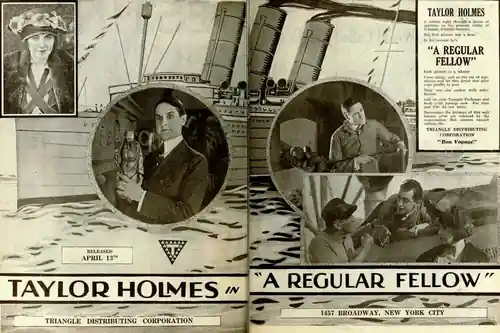
The thematic resonance of A Regular Fellow extends beyond its immediate plot. It delves into the age-old conflict between duty and desire, between inherited wealth and self-made happiness. Dalion's initial rejection of Virginia Christy, purely based on principle and prejudice, serves as a poignant commentary on the dangers of judging a book by its cover, or rather, a person by a pre-ordained decree. His subsequent infatuation with the mysterious woman from Buenos Aires highlights the arbitrary nature of attraction and the futility of rigid emotional boundaries. This journey forces Dalion to confront his own biases, to dismantle the walls he has built around his heart, and to recognize that true connection often arrives in the most unexpected packages. It's a narrative that, while rooted in its era, possesses a timeless quality, reminding us that love often finds a way, even when we are actively resisting it.
Comparing A Regular Fellow to other films of its time provides valuable context for its place in cinematic history. One might draw parallels to the romantic predicaments found in films like The Love Hermit, where characters also grapple with isolation and the eventual pull of companionship, or perhaps The Love Brokers, which similarly explores the intricacies of arranged or manipulated relationships. However, A Regular Fellow distinguishes itself through its specific blend of comedic pursuit and the underlying theme of inherited obligation. Unlike the darker undertones sometimes present in films like The Dupe or the moral quandaries of His Last False Step, this film maintains a lighter, more hopeful tone, even amidst Dalion's initial struggles. Its spirit of adventurous romance might even echo the whimsical journeys seen in Runaway Romany, albeit with a more structured, inheritance-driven plot.
The direction by Joseph Henabery is commendable, particularly in his handling of the shipboard sequences. The claustrophobia of stowing away, the comedic potential of near-misses, and the slow burn of Dalion's pursuit are all expertly orchestrated. Henabery manages to infuse these scenes with both tension and humor, ensuring that the audience remains invested in Dalion's increasingly precarious situation. The visual storytelling, a cornerstone of silent cinema, is strong here, with clear character blocking and expressive performances that transcend the lack of audible dialogue. While we don't have access to the original musical accompaniment, one can easily imagine a score that would heighten the drama and romance, guiding the audience through Dalion's emotional rollercoaster. The film's pacing is another strong suit; it never lags, always propelling the narrative forward with a sense of purpose and impending revelation.
Furthermore, the film offers a fascinating glimpse into the social mores and expectations of the early 20th century. The idea of an inheritance contingent upon marriage, while a common literary device, reflects a time when familial duty and financial security were often inextricably linked. Dalion's initial aversion to the concept, however, also speaks to a burgeoning sense of individual autonomy, a desire to forge one's own path even against the dictates of tradition. This push and pull between old-world obligations and modern individualism adds another layer of depth to what might otherwise be a simple romantic comedy. It’s a film that, in its own subtle way, explores the evolving landscape of personal freedom and the pursuit of happiness.
In terms of technical execution, considering the limitations of the era, A Regular Fellow holds up remarkably well. The cinematography, while not groundbreaking, is competent and serves the story effectively. The use of close-ups to capture the actors' expressions is particularly impactful, allowing the audience to connect emotionally with their plight. The set design for both the Pemberton estate and the ship interiors is convincing, creating believable environments for the drama to unfold. There’s a certain authenticity to the production that speaks to the dedication of the filmmakers, striving to create an immersive experience for their audience even without the benefit of sound or advanced special effects. This commitment to craft is evident in every frame, making the viewing experience a rewarding one for enthusiasts of classic cinema.
The journey of Dalion Pemberton is, ultimately, a journey from self-imposed isolation to genuine connection. His initial disdain for women is not merely a plot device; it’s a character flaw that he must overcome to achieve true happiness. The film cleverly uses the romantic pursuit as a catalyst for his personal growth, demonstrating that sometimes, the most profound changes come from the most unexpected encounters. It’s a story about breaking down barriers, both internal and external, and discovering that vulnerability is not a weakness, but a pathway to authentic relationships. This theme resonates strongly, regardless of the era, making A Regular Fellow more than just a historical curiosity; it’s a timeless narrative about the human condition.
In conclusion, A Regular Fellow is a delightful and insightful piece of early cinema that deserves a wider audience. It's a testament to the enduring power of silent film to tell compelling stories with humor, heart, and a touch of dramatic irony. Taylor Holmes delivers a memorable performance, supported by a capable cast and a well-crafted screenplay by Daniel Carson Goodman. While it might not possess the grandiosity of some epic productions of its time, its intimate focus on one man's transformation makes it deeply relatable and thoroughly enjoyable. For those seeking a charming foray into the romantic comedies of yesteryear, with a dash of adventure and a moral about opening one's heart, this film is an absolute must-see. It reminds us that sometimes, the most extraordinary discoveries are made when we least expect them, and that even the most "regular" of fellows can find himself caught in the most enchanting of circumstances.
IMDb —
1932
Community
Log in to comment.