DbcultAccessing Vault...
6.3/10
Senior Film Conservator

A definitive 6.3/10 rating for a film that redefined the boundaries of cult cinema. We Live Again remains a cornerstone of transgressive art.
If you have eighty-five minutes to spare tonight and want some heavy, beautifully shot Russian guilt, We Live Again is absolutely worth your time.
People who love classic Hollywood melodramas with gorgeous lighting will eat this up. But if you can't stand old-school, hand-on-forehead acting, you'll probably hate it.
It is basically Leo Tolstoy's novel Resurrection, but put through the golden-age studio machine.
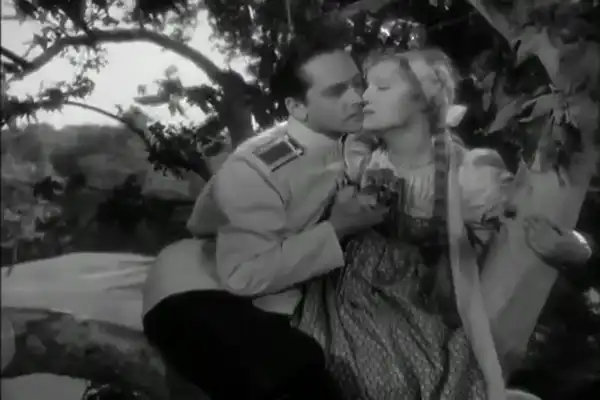
Fredric March plays Dmitry, a Russian prince who seduces a sweet peasant girl named Katusha and then just... forgets about her.
Years later, he is sitting on a jury and realizes the woman on trial for murder is the very same girl. Talk about an awkward reunion. 😬
The writing credits on this thing are absolutely bonkers.
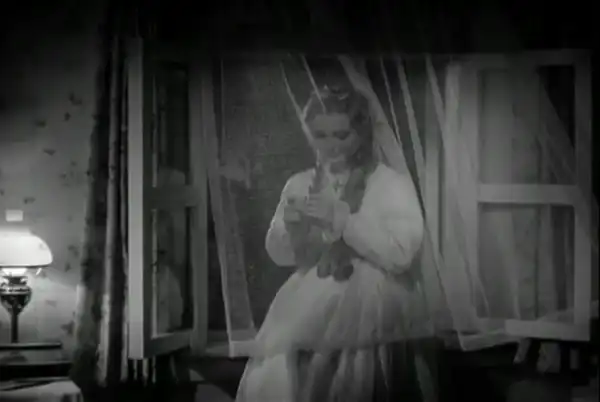
You have Preston Sturges, Thornton Wilder, and Maxwell Anderson all working on this script. Honestly, you would think with that many geniuses in one room, the dialogue would be bursting with life.
Instead, it is mostly just very serious people saying very serious things about sin and redemption. It does not have the zip of a Sturges comedy, that is for sure.
There is this one incredibly long scene during an Orthodox Easter service. The camera just floats around the church, looking at the candles and the singing peasants.
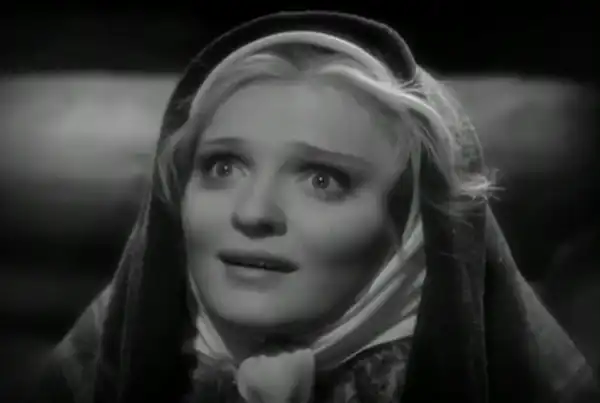
It is easily the most beautiful part of the movie, but it also goes on long enough that you might start checking your phone. I know I did.
Let's talk about Anna Sten for a second.
Producer Samuel Goldwyn wanted her to be the next Greta Garbo, but America just did not buy it. It is a shame because she is actually really good here, especially when she gets angry.
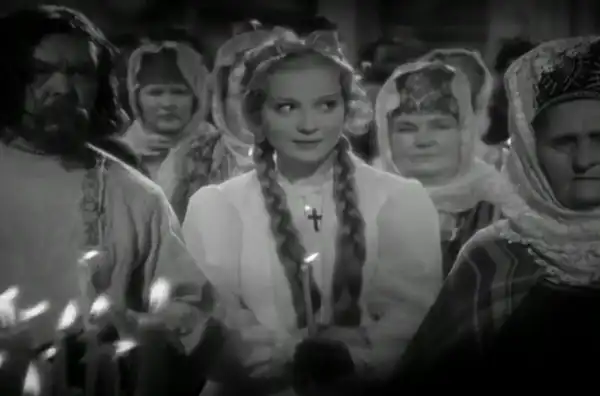
When she is in the courtroom looking dirty and defeated, her eyes do all the heavy lifting. She has this raw look that makes Fredric March look like he is just posing for a collar advertisement.
March is fine, but he spends half the movie looking like he is about to sneeze from all the guilt.
His transition from a carefree soldier to a weeping savior happen so fast it gives you whiplash.
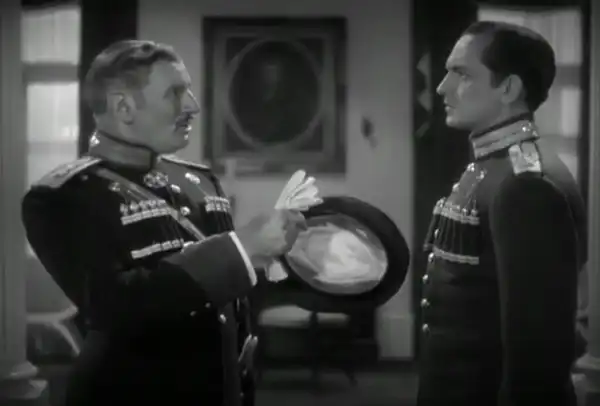
It reminds me of how silent films used to handle these huge moral shifts, like in Souls for Sale, where characters change their entire lives in the span of a single title card. Only here, we have to listen to March talk about his soul for twenty minutes.
Also, the prison scenes are strangely clean. These Russian prisoners are supposed to be starving in Siberia, but their hair looks perfectly coiffed.
There is also a guy in the jury who just keeps nodding off. Honestly, I related to him.
It is not a masterpiece, but it has this weird, gloomy charm. Just don't expect a happy ending.
IMDb —
1926
Community
Log in to comment.