DbcultAccessing Vault...
Cult Review
Senior Film Conservator
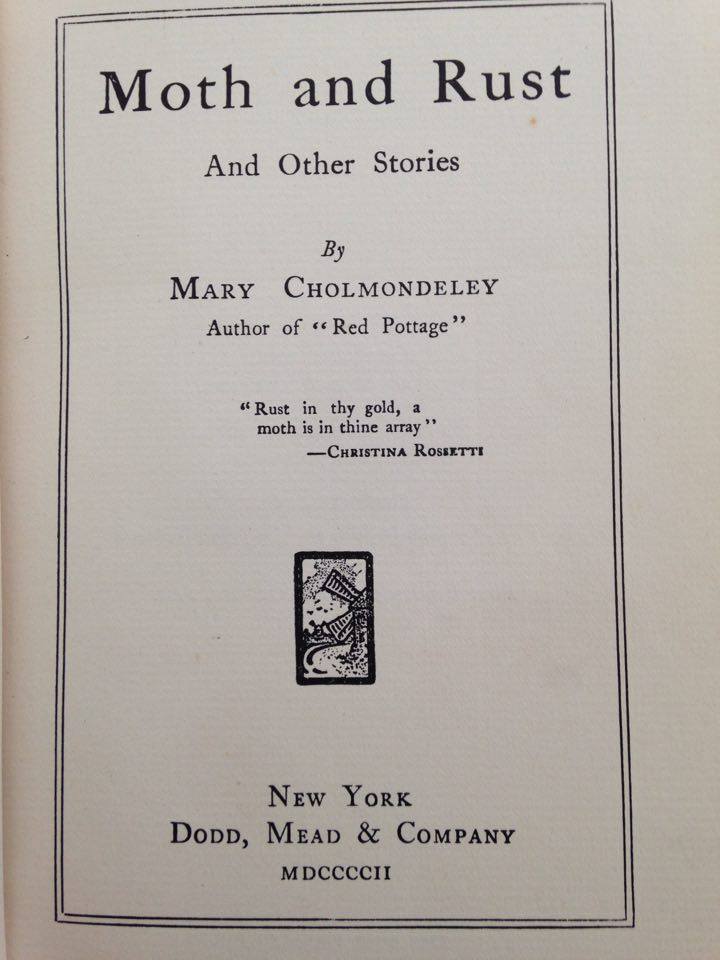
Moth and Rust arrives like a smoldering ember in the cinematic furnace of 1930s drama, its premise a paradoxical blend of domestic intimacy and stark economic critique. The inciting incident—an impulsive conflagration of love‑letters meant for a dead usurer’s wife—sets off a chain reaction that reverberates through every corner of the film’s mise‑en‑scene. The protagonist, portrayed with a trembling ferocity by Malvina Longfellow, does not merely burn paper; she ignites a symbolic rupture between personal sentiment and the relentless ledger of debt.
The letters themselves, though never fully displayed, become a narrative ghost, haunting the audience with the weight of unspoken affection and the ironclad contracts that tether the brother, Malcolm Tod, to his creditor. This duality—emotional versus fiscal—forms the film’s beating heart, a pulse that quickens with each glance at the charred remnants of the brother’s I.O.U.s. The audience is thrust into a moral labyrinth where the line between victim and perpetrator blurs, and the ash‑laden floorboards become a metaphorical courtroom.
Malcolm Tod delivers a restrained, almost stoic performance that mirrors the cold arithmetic of his character’s financial entanglements. His eyes, often fixed on the empty spaces where contracts once lay, convey a quiet desperation that words cannot capture. In contrast, Malvina Longfellow’s portrayal of the sister is a study in volatile poise; her gestures oscillate between delicate tenderness and a ferocious, almost animalistic resolve when the flames lick the letters.
Cyril Raymond, as the usurer, embodies the merciless machinery of capitalism. His presence is less about dialogue and more about the looming shadow he casts over the household—a visual reminder that debt is an omnipresent predator. Sybil Thorndike, in the role of the usurer’s dead wife (appearing only in flashbacks and memory fragments), imbues the narrative with a spectral melancholy, her brief appearances rendered in soft focus, tinted with the film’s signature sea‑blue hue.
Supporting actors George Bellamy and Langhorn Burton provide texture to the world beyond the central family. Bellamy’s portrayal of the local solicitor offers a pragmatic counterpoint, while Burton’s minor role as a tavern keeper adds a gritty realism to the urban backdrop. Ellen Nicholls and Phyllis le Grand, though limited in screen time, deliver moments of levity that prevent the film from succumbing to unrelenting bleakness.
The film’s visual palette is a masterclass in chromatic storytelling. The director employs a muted grayscale for most interiors, punctuated by strategic splashes of dark orange (#C2410C) whenever the fire is invoked. This chromatic cue not only signals narrative escalation but also underscores the emotional heat that fuels the sister’s rebellion. The occasional use of yellow (#EAB308) highlights moments of fleeting hope—such as the brief scene where the brother discovers a hidden stash of money, his eyes reflecting a glint of possibility.
Sea blue (#0E7490) dominates the exterior shots, particularly the riverbank where the siblings share a hushed conversation about their father’s demise. The cool tones contrast sharply with the interior’s oppressive warmth, reinforcing the thematic dichotomy between freedom and confinement. The cinematographer’s choice to frame the burning letters against a backdrop of deep shadows creates a chiaroscuro effect, reminiscent of the visual language employed in The Flash of Fate, yet the film stakes its own claim by allowing the flames to become a character in their own right.
Sound design further amplifies the tension. The crackle of fire, the rustle of parchment, and the distant clink of coins form an auditory tapestry that never lets the viewer forget the ever‑present specter of debt. The score, a minimalist piano motif interwoven with low‑drone strings, ebbs and flows like a tide—an apt metaphor for the film’s title, where moths are drawn inexorably to the flame, just as the characters are pulled toward their financial ruin.
Moth and Rust eschews conventional exposition, opting instead for a fragmented, almost elliptical storytelling approach. The audience learns of the brother’s indebtedness through a series of vignettes: a solicitor’s office, a ledger being stamped, a silent exchange of a sealed envelope. This method mirrors the way debts often accumulate unnoticed, hidden in the crevices of daily life. The sister’s act of burning the letters becomes a catalyst, an act of defiance that forces the invisible to surface.
Thematically, the film interrogates the morality of debt forgiveness. Is the sister’s destruction of the I.O.U.s a righteous act of liberation or a criminal obliteration of contractual truth? The narrative refuses to provide a tidy answer, instead allowing the audience to wrestle with the ethical ambiguity. This moral grayness aligns the film with other period pieces such as The Squatter's Daughter, which similarly explores the tension between personal agency and societal constraints.
The motif of the moth—drawn to the flame, unaware of its own destruction—operates on both literal and metaphorical levels. The sister, like a moth, is attracted to the incendiary act that promises freedom, yet she remains oblivious to the collateral damage inflicted upon her brother’s fragile financial standing. The rust, meanwhile, symbolizes the corrosive nature of unpaid debts, slowly eating away at trust and familial bonds.
When placed alongside contemporaneous works, Moth and Rust distinguishes itself through its unflinching focus on the micro‑politics of debt. While The Checkmate dramatizes corporate machinations on a grand scale, Moth and Rust zooms into the domestic sphere, exposing how macroeconomic forces infiltrate intimate relationships. The film’s stark visual language also recalls the atmospheric tension of Vampire, though the latter leans into gothic horror, whereas Moth and Rust remains grounded in gritty realism.
In terms of pacing, the film shares a deliberate, measured tempo with Strike, allowing emotional beats to settle before the next revelation. This restraint ensures that when the climactic courtroom scene arrives—where the brother is forced to testify about the missing I.O.U.s—the audience feels the full weight of the impending verdict.
The courtroom sequence stands as the film’s apex, a theater of accusation where the sister’s act is dissected by legal experts and moralists alike. The camera lingers on the brother’s gaunt face as he watches the prosecutor brandish the charred remnants of the contracts. The prosecution’s argument—that the sister’s destruction equates to fraud—collides with the defense’s plea that the act was a desperate attempt to protect familial dignity.
Here, the film’s color palette reaches its zenith: the judge’s bench is bathed in a harsh, unforgiving white light, while the walls behind him are painted a deep sea blue, evoking a sense of cold authority. The sister’s testimony, delivered with trembling conviction, is underscored by a subtle swell of the piano motif, each note a flicker of hope amidst the oppressive atmosphere.
The verdict—an ambiguous suspension of the debt pending further investigation—leaves the audience suspended in a state of unresolved tension, mirroring the film’s broader refusal to provide tidy moral closure. The final shot, a lingering close‑up of the sister’s hand clutching a smoldering ember, serves as a visual epitaph: the fire may have been quelled, but its heat continues to reverberate.
Moth and Rust endures as a potent meditation on the intersection of love, debt, and agency. Its exploration of how financial instruments can become instruments of oppression resonates in contemporary discourse surrounding student loans and predatory lending. The film’s aesthetic choices—particularly its disciplined use of color and sound—have influenced a generation of filmmakers seeking to embed thematic depth within visual composition.
For viewers attuned to the subtleties of period drama, the film offers a rewarding experience that rewards repeated viewings. Each rewatch reveals new layers: a background newspaper headline about a local factory strike, a fleeting glance that hints at the sister’s lingering affection for the usurer’s son, or the subtle rust patterns on the brother’s pocket watch, symbolizing the inexorable passage of time and debt.
In the broader canon of early twentieth‑century cinema, Moth and Rust stands alongside works like The Right Direction and Melting Millions as a film that deftly marries narrative ambition with visual poise. Its willingness to confront uncomfortable truths about economic exploitation makes it a timeless study, inviting scholars and cinephiles alike to dissect its rich tapestry of symbolism.
Ultimately, the film asks whether the act of burning—whether letters, contracts, or expectations—can ever truly liberate, or whether it merely transforms one form of bondage into another. The answer remains as elusive as the moth’s fleeting dance around the flame, leaving the audience to ponder the lingering scent of ash long after the credits roll.
IMDb 6
1929
Community
Log in to comment.