DbcultAccessing Vault...
6.3/10
Senior Film Conservator
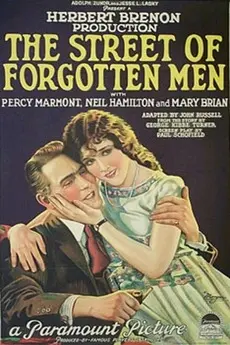
A definitive 6.3/10 rating for a film that redefined the boundaries of cult cinema. The Street of Forgotten Men remains a cornerstone of transgressive art.
Ah, the silent era. A time often romanticized for its grand spectacles and melodramatic flourishes, but equally capable of plumbing the grittiest, most profound depths of the human condition. Among the myriad cinematic offerings of the 1920s, The Street of Forgotten Men (1925) stands as a stark, poignant testament to this capacity. Directed with a delicate yet unflinching hand, this film, penned by the collaborative genius of Paul Schofield, George Kibbe Turner, and John Russell, transcends mere narrative to offer a searing examination of sacrifice, identity, and the surprising wellsprings of paternal love in the most unlikely of souls. It's a cinematic experience that, even a century later, continues to resonate with an emotional sincerity that belies its age, drawing viewers into a world where the lines between performance and reality blur, and where true character is forged in the crucible of clandestine devotion.
At the heart of this compelling drama is Easy-Money Charley, portrayed with a masterful blend of cynicism and nascent tenderness by Percy Marmont. Charley is no ordinary man; he is, in essence, an artist of the street, a performer whose stage is the bustling sidewalks of New York, and whose masterpiece is the convincing portrayal of a crippled beggar. His charade is not born of malice, but of survival, a testament to the harsh realities faced by those relegated to the city's fringes. Marmont’s performance is a revelation, capturing the nuanced duality of a man whose public persona is one of calculated deception, yet whose private world hints at an untapped capacity for profound affection. Initially, this affection is reserved for his loyal canine companion, a creature whose unconditional devotion mirrors the purity Charley lacks in his professional life. The loss of this beloved dog serves as the catalyst, an emotional void so immense that it cracks open the hardened shell Charley has meticulously constructed around himself. This pivotal moment is handled with remarkable sensitivity, laying the groundwork for a transformation that is both improbable and deeply moving. It positions Charley not as a villain, but as a deeply flawed human being desperately seeking connection and meaning in a world that has offered him little but the cold comfort of deception. His journey from a cynical manipulator to a man burdened by an overwhelming, selfless love is the film's beating heart, a narrative arc that demands both empathy and introspection from its audience.
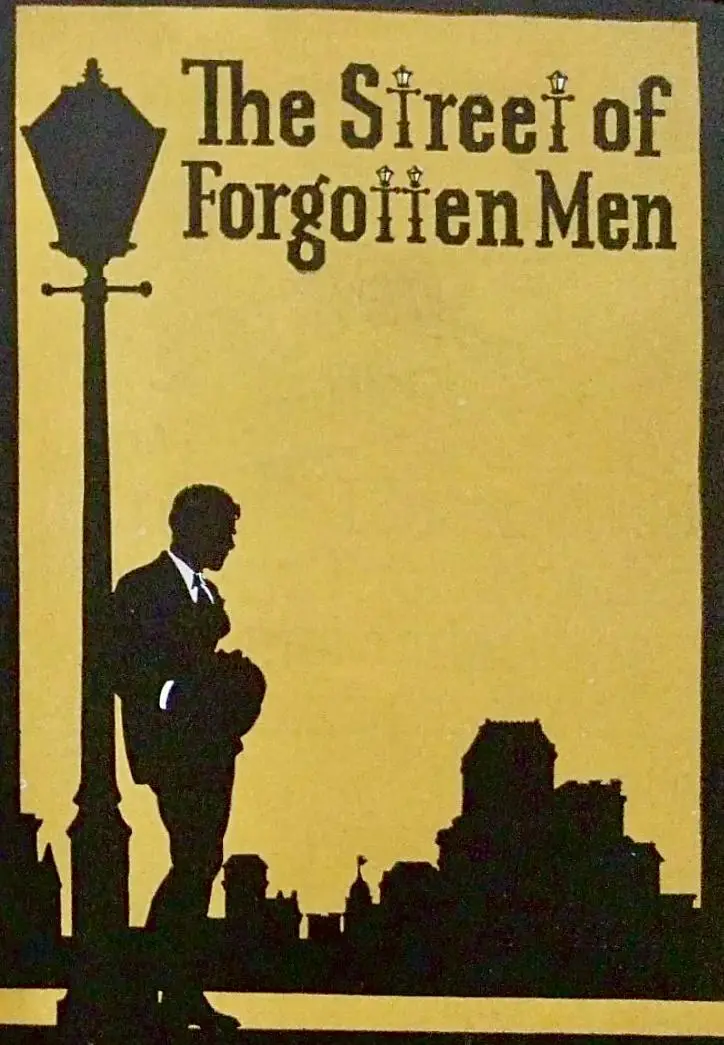
The adoption of a dying prostitute's daughter, a decision born of grief and an almost desperate need to nurture, marks the true turning point for Charley. This act of unexpected charity is met with scorn by his fellow denizens of the underworld, who view such 'sentimentality' as a dangerous weakness, an indulgence ill-suited for their precarious existence. This societal judgment, however, only fortifies Charley’s resolve. He understands that to truly save this child, to grant her a life untainted by the squalor and moral ambiguity that define his own, he must sever ties, at least ostensibly. His decision to disown her publicly, only to secretly raise her in the pristine anonymity of a distant suburb, is a profound act of self-effacement. It speaks volumes about the depth of his commitment, a love so powerful it necessitates his own erasure from her daily life. He dedicates himself to cultivating her into a young lady, providing her with an education and refinement far removed from the harsh streets he inhabits. Mary Brian, as the grown daughter, embodies this carefully constructed innocence with a captivating grace. Her portrayal is one of delicate beauty, a young woman flourishing under an unseen benefactor’s unwavering devotion, blissfully unaware of the sacrifices made, and the clandestine life her father leads. This narrative thread, reminiscent in its thematic exploration of hidden parentage and societal judgment to films like The Little Girl That He Forgot, carries an immense emotional weight, highlighting the profound irony of Charley's situation: his greatest act of love requires his greatest act of deception.
While Percy Marmont and Mary Brian anchor the film with their compelling performances, the supporting cast imbues The Street of Forgotten Men with a rich tapestry of human experience. Louise Brooks, in one of her earlier roles, though perhaps not as central as her later iconic turns, brings an undeniable spark and presence to the screen, hinting at the magnetic charisma that would soon captivate audiences worldwide. Her brief appearances are memorable, adding another layer of authenticity to the bustling, often chaotic world the film depicts. John Harrington, Riley Hatch, and Dorothy Walters, among others, masterfully craft the gallery of crooks and dissemblers who populate Charley’s immediate circle. Their collective cynicism serves as a stark foil to Charley's burgeoning humanity, emphasizing the moral chasm he attempts to bridge. The nuanced expressions and gestures, the very language of silent film acting, are expertly employed by this ensemble to convey complex emotions and motivations without a single spoken word. Agostino Borgato, Whitney Bolton, and Elizabeth Meehan further flesh out the world, contributing to the film's immersive quality. Neil Hamilton and Anita Louise, too, deliver performances that, while perhaps less prominent than the central figures, are crucial in building the narrative's emotional stakes. The authenticity of these portrayals lends a verisimilitude to the film's depiction of urban life, making the audience feel like silent observers in a world teeming with untold stories. The sheer depth of character conveyed through subtle glances and body language is a testament to the skill of these silent era luminaries, making every face in the crowd tell a story.
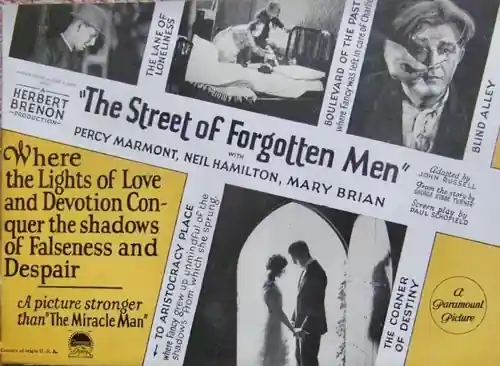
Beyond its deeply personal narrative, The Street of Forgotten Men functions as a potent piece of social commentary, casting a critical eye on the stark disparities of early 20th-century urban life. The film unflinchingly exposes the harsh realities faced by the impoverished, the con artists, and the marginalized, whose existence is a constant struggle for survival on the fringes of polite society. The stark contrast between the squalid, deceptive world of Charley’s daily grind and the idyllic, suburban haven he creates for his daughter is not merely a plot device; it is a profound statement on class, opportunity, and the societal structures that perpetuate cycles of poverty and deception. The film implicitly questions the moral judgments cast upon those who resort to unconventional means of survival, suggesting that true morality often resides not in adherence to societal norms, but in acts of selfless love and sacrifice. In this regard, it shares thematic kinship with other films of the era that dared to explore the darker corners of urban existence and the moral ambiguities therein, perhaps echoing the raw realism found in works like Naked Hearts or the social critiques inherent in Little Italy, both of which delve into the struggles of marginalized communities. The film doesn't shy away from depicting the hypocrisy of a society that simultaneously ignores its most vulnerable while condemning their desperate measures. It’s a powerful, empathetic portrayal of a segment of humanity often overlooked, forcing viewers to confront uncomfortable truths about their own world.
The tranquil, meticulously constructed life Charley has built for his daughter is, by its very nature, a fragile one, destined to crumble under the weight of its own hidden truths. The crisis arrives not from external forces initially, but from the daughter’s burgeoning affections, which take an unexpected and profoundly challenging slant. This development shatters Charley’s carefully maintained emotional distance, forcing him into a direct confrontation with the consequences of his choices. It is here that the film elevates its melodrama into a truly compelling character study, as Charley grapples with a crisis of conscience that threatens to unravel everything he has sacrificed for. The emotional stakes are amplified by the introduction of the sinister 'White-Eye' (portrayed with chilling effectiveness by John J. Kiernan), a character whose very presence embodies the lurking dangers from which Charley has sought to shield his daughter. 'White-Eye' is not merely an antagonist; he is the embodiment of the very 'street' Charley tried to leave behind, a malevolent force threatening to reclaim the innocence Charley so painstakingly cultivated. His machinations provide the external conflict that pushes Charley's internal struggle to its breaking point, forcing him to make choices that will define his redemption or damnation. The tension builds with exquisite precision, as the audience is left to wonder how Charley will navigate this treacherous confluence of personal devotion, moral dilemma, and external threat. The film expertly uses this dramatic pressure cooker to explore themes of moral reckoning, a narrative device perhaps as potent as the ethical quandaries explored in The Danger Line, where characters are forced to confront the perilous consequences of their hidden lives and choices.
In its entirety, The Street of Forgotten Men is more than just a silent film; it is a powerful, enduring work of art that deserves a more prominent place in cinematic discourse. Its exploration of a con artist's unexpected redemption, his selfless paternal love, and the complex interplay between societal expectations and individual morality is as relevant today as it was in 1925. The film's ability to evoke such profound emotion without spoken dialogue is a testament to the sheer talent of its cast, particularly Percy Marmont and Mary Brian, and the visionary direction that guided their performances. The nuanced characterizations, the compelling narrative arc, and the underlying social commentary combine to create a deeply affecting experience. It serves as a reminder that the silent era was far from simplistic, often tackling sophisticated themes with a visual poetry rarely matched. For those seeking to delve deeper into the rich tapestry of early American cinema, or for anyone appreciative of a story that champions the triumph of the human spirit against overwhelming odds, The Street of Forgotten Men is an essential viewing. It’s a film that lingers in the mind long after the final frame, a quiet masterpiece that speaks volumes about the enduring power of love, sacrifice, and the search for dignity in the most unlikely of places. It's a testament to the enduring craft of writers like Paul Schofield, George Kibbe Turner, and John Russell, whose narrative vision continues to captivate. The film's emotional resonance, its ability to move and provoke thought, firmly establishes its place not just as a historical artifact, but as a timeless piece of storytelling that continues to illuminate the complexities of the human heart, much like the enduring appeal of profound narratives such as Eyes of Youth, which similarly grappled with weighty moral choices and their far-reaching consequences. This film is a true hidden gem, waiting to be rediscovered by a new generation of cinephiles eager to explore the profound beauty and raw power of silent cinema.
"A poignant narrative of sacrifice and hidden love, 'The Street of Forgotten Men' unveils the surprising depths of a con man's heart, proving that even in the grimiest corners of society, profound humanity can flourish."
In an era often defined by evolving cinematic techniques, The Street of Forgotten Men distinguishes itself through its unwavering focus on character-driven drama and its profound emotional authenticity. It avoids the pitfalls of overt sentimentality, instead opting for a more grounded, albeit melodramatic, portrayal of its characters' struggles. The film's pacing, while deliberate, allows ample space for the audience to connect with Charley's internal conflict and the innocence of his adopted daughter. The visual storytelling, a hallmark of silent cinema, is particularly effective here, with close-ups and carefully composed scenes conveying a wealth of unspoken emotion. The urban landscapes, whether the bustling, deceptive streets or the serene, suburban refuge, are rendered with an evocative power that becomes almost a character in itself, influencing the destinies of those who inhabit them. The film’s exploration of moral ambiguity and the complexities of human motivation places it in a lineage of thoughtful dramas that push beyond simple good-versus-evil dichotomies, inviting a more nuanced understanding of its protagonists. This thematic depth, combined with stellar performances, ensures its continued relevance. It’s a film that resonates with the universal themes of parenthood, sacrifice, and the enduring quest for a better life, no matter the personal cost. Its narrative power, much like the compelling twists and turns found in The Third Generation or the moral dilemmas presented in The Majesty of the Law, offers a rich, introspective experience that solidifies its status as a compelling example of silent era storytelling. It’s a film that gently reminds us that true heroism often resides not in grand gestures, but in quiet, persistent acts of love and self-denial, especially when performed from the shadows of a forgotten street.
IMDb 6.4
1933
Community
Log in to comment.