DbcultAccessing Vault...
5.1/10
Senior Film Conservator
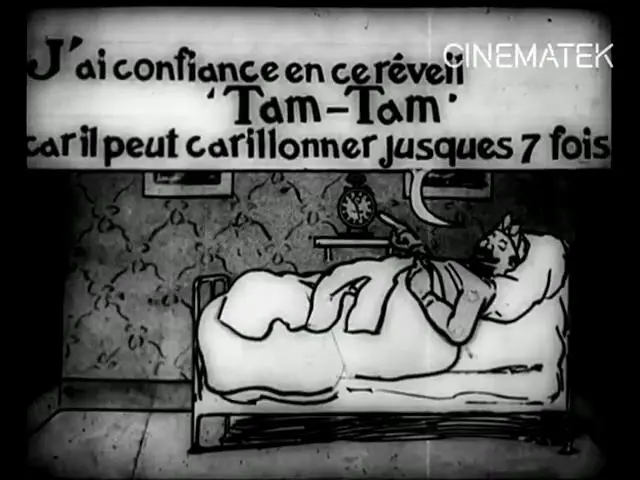
A definitive 5.1/10 rating for a film that redefined the boundaries of cult cinema. Wekker Tam-Tam remains a cornerstone of transgressive art.
Does Wekker Tam-Tam still command attention in today's crowded cinematic landscape? Short answer: yes, but with a significant caveat. This film, a curious artifact of its time, offers a unique, almost hypnotic experience for those willing to surrender to its deliberate pace and abstract narrative, yet it will undoubtedly alienate viewers accustomed to more conventional storytelling.
It’s a film for the cinephile who relishes allegorical depth and a challenge to their perceptions, perhaps even for those who appreciate the quiet rebellion found in the works of early European experimentalists. Conversely, if you demand clear plot resolutions, dynamic character arcs, or rapid-fire pacing, Wekker Tam-Tam is emphatically not for you. It’s a slow burn, a philosophical exercise draped in the guise of a narrative, and its rewards are only reaped by patient, reflective engagement.
From its opening frames, Wekker Tam-Tam establishes a mood of profound, almost suffocating routine. The protagonist, a man defined by his meticulous habits, moves through his days with the precision of a well-oiled machine, yet there’s a palpable hollowness beneath the surface. The cinematography, often stark and geometrically precise, emphasizes this sense of order, presenting a world where every object has its place, every action its predetermined sequence. This visual grammar is crucial; it builds the cage from which the 'Tam-Tam' will eventually demand escape.
The film works because it commits wholeheartedly to its central conceit: the disruption of an ordered life by an insistent, almost primal sound. The unnamed director masterfully builds tension not through external threats, but through the internal crumbling of a psyche under siege from an auditory phantom. This deliberate, almost minimalist approach allows the viewer to project their own anxieties about routine and change onto the protagonist, creating a deeply personal, if unsettling, viewing experience. The film’s strength lies in its ability to transform a simple sound into a profound metaphor for self-discovery and rebellion against the mundane.
However, Wekker Tam-Tam fails because its resolute abstraction can, at times, tip over into self-indulgence. While its ambiguity is often its greatest asset, there are moments where the narrative threads become so tenuous that they threaten to snap, leaving the audience adrift without enough thematic anchor points. The pacing, while intentional, occasionally feels less like a meditative rhythm and more like a test of endurance, particularly in its protracted middle act where the protagonist's internal struggle manifests in repetitive, almost identical scenes of quiet desperation. A slightly more varied visual or auditory language during these sequences could have mitigated this.
You should watch it if you appreciate films that challenge conventional storytelling, prioritize mood and theme over plot, and enjoy dissecting allegorical narratives long after the credits roll. If you found yourself intrigued by the psychological depths of something like The Man Who Forgot, but wished it leaned harder into the abstract, this might be your film. It’s an acquired taste, certainly, but one that offers a rich, if sometimes frustrating, flavor.
At its core, Wekker Tam-Tam is a character study, albeit one where the character is less a fully fleshed-out individual and more a vessel for thematic exploration. The protagonist’s journey from mechanical existence to a state of agitated awareness is charted with painstaking detail. His initial reactions to the 'Tam-Tam' are dismissive, then annoyed, then fearful, and finally, a sort of desperate engagement. This progression, while slow, feels earned. The film avoids easy explanations, preferring to allow the viewer to experience the protagonist's descent into a kind of existential crisis alongside him.
One particularly striking sequence involves the protagonist attempting to locate the source of the sound, meticulously dismantling his living space piece by piece. The camera lingers on his hands, his tools, the dust motes dancing in the light, transforming a mundane act into a ritual of desperation. This scene, devoid of dialogue, communicates volumes about his methodical nature and the profound threat this unseen, unheard (by others) force poses to his sanity. It’s a powerful visual metaphor for how we often try to deconstruct our problems physically, when their roots are purely psychological.
The film’s power lies in its ability to universalize this specific struggle. Who among us hasn't felt the insistent, rhythmic pulse of an unaddressed desire or a suppressed truth, demanding recognition from the quiet corners of our consciousness? The 'Tam-Tam' isn't just an alarm clock; it's the insistent beat of life itself, demanding that we awaken to its rhythms, even if those rhythms are chaotic and uncomfortable. This makes the film surprisingly relevant, despite its potentially archaic aesthetic.
Given the film's minimalist approach, the performance of the lead actor (whose name, unfortunately, is lost to time or intentionally obscured to maintain the film's universal quality) is absolutely central to its success. He carries the weight of the entire narrative, often without a single line of dialogue. His face, initially a mask of placid indifference, gradually becomes a canvas of subtle torment. The slight tremor in his hands as he pours his morning coffee, the almost imperceptible widening of his eyes as the 'Tam-Tam' intensifies, these are the brushstrokes of a master at work.
The performance is a testament to the power of non-verbal communication. He doesn't just react to the sound; he embodies its effect on his internal world. There’s a particular moment where he stares into a mirror, and for a fleeting second, his reflection seems to contort, not into a grotesque image, but into something utterly unfamiliar – a stranger in his own skin. This brief, powerful visual is more impactful than any monologue could have been, speaking volumes about his fracturing identity. It reminds me of the understated, yet profoundly effective, character work seen in The Hoosier Schoolmaster, where much is conveyed through subtle gesture and expression.
My unconventional observation here is that the film might have benefited from a slightly more overt, perhaps even theatrical, breakdown in the lead performance towards the climax. While the subtlety is commendable, a moment of raw, unbridled emotion could have provided a cathartic release for the audience, grounding the abstract journey in a universal human experience of despair or liberation. The current ending, while thematically consistent, feels almost too controlled, too intellectual, for the profound emotional journey it portrays.
The director's vision for Wekker Tam-Tam is undeniably bold. By elevating sound to a central, almost character-like role, they craft a unique sensory experience. The 'Tam-Tam' itself is not just a sound effect; it is a presence, an insistent force that shapes the protagonist's reality. The way it is introduced, initially faint and easily ignored, then growing in intensity and pervasiveness, is brilliantly orchestrated. It’s a masterclass in using auditory cues to drive psychological drama.
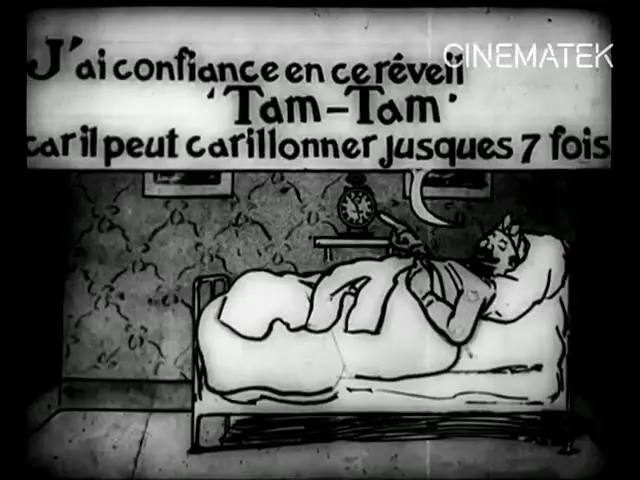
This focus on sound design is particularly impressive considering the technological limitations of the era in which the film was likely produced. The careful layering and manipulation of what sounds like a simple, repetitive beat creates an astonishingly immersive and unsettling atmosphere. It's a testament to creative ingenuity over raw technical prowess. The director understands that what is hinted at, or partially heard, can often be far more terrifying than what is explicitly shown. This is a lesson many modern horror films could learn from.
The choice to keep the source of the 'Tam-Tam' ambiguous for so long is a key directorial decision that pays dividends. Is it truly an external object, or a manifestation of the protagonist's internal turmoil? The film cleverly refuses to provide a definitive answer, allowing the audience to grapple with their own interpretations. This ambiguity is crucial to its allegorical weight, inviting viewers to engage actively rather than passively consume. It's a risky move, but one that ultimately defines the film's enduring appeal for its niche audience.
The visual language of Wekker Tam-Tam is as meticulously crafted as its soundscape. The cinematography often employs static, wide shots that emphasize the protagonist's isolation within his geometrically ordered environment. His apartment, a character in itself, is rendered with clean lines and stark contrasts, almost like a prison cell constructed by his own habits. The use of shadow and light is particularly effective, often shrouding parts of the frame in darkness, hinting at the unseen forces at play within the protagonist’s mind.
A memorable shot features the protagonist framed by a doorway, the surrounding space almost perfectly symmetrical, reinforcing his trapped existence. As the 'Tam-Tam' intensifies, the camera work becomes subtly more dynamic, employing slight tilts or slow zooms that mirror the protagonist's disquiet. This shift is expertly handled, never becoming overtly flashy, but rather serving the psychological narrative. It’s a sophisticated use of visual storytelling that elevates the film beyond a simple conceptual exercise. The visual aesthetic could be compared to the deliberate, almost architectural framing found in early German Expressionist cinema, albeit with a more subdued palette.
The film's aesthetic is, in a word, stark. But this starkness is not a flaw; it's a deliberate choice that reinforces the film's themes of isolation and the breakdown of order. It's a brutalist approach to visual storytelling that strips away all unnecessary ornamentation, leaving only the raw, unsettling truth of the protagonist's struggle. This visual purity ensures that every frame contributes to the overall mood and message, creating a cohesive and impactful experience.
The pacing of Wekker Tam-Tam is undeniably slow, a deliberate choice that mirrors the protagonist's monotonous existence. Each scene is allowed to breathe, sometimes to the point of discomfort, forcing the viewer to inhabit the protagonist's quiet, suffocating world. This methodical rhythm is eventually broken by the intrusion of the 'Tam-Tam,' which introduces a counter-rhythm, a jarring beat that disrupts the established order. This interplay between the film's slow, measured pace and the insistent, accelerating rhythm of the sound is one of its most fascinating aspects.
The tone shifts subtly throughout the film, moving from detached observation to mounting unease, then to a palpable sense of dread, and finally, to a kind of ambiguous, unsettling liberation. The film never devolves into outright horror, but maintains a consistent undercurrent of psychological tension. It's a tone that demands patience, but rewards it with a profound sense of introspection. This delicate balance of tone is hard to achieve, and the director manages it with remarkable skill, ensuring the film remains compelling even in its quietest moments. It avoids the theatricality of Kinder der Finsternis, opting instead for a more internalized dread.
My strong, debatable opinion is that while the film's slow pace is integral to its message, a judicious trim of perhaps 10-15 minutes in the mid-section, where the protagonist's initial reactions to the sound are explored, could have tightened the narrative without sacrificing its thematic depth. There are moments where the repetition feels less like reinforcement and more like stagnation, risking audience disengagement. A slightly more dynamic escalation of the 'Tam-Tam's' presence could have maintained the tension without prolonging the setup excessively.
Yes, Wekker Tam-Tam is worth watching for those seeking a unique, thought-provoking cinematic experience. It stands apart from conventional narratives.
It challenges viewers to engage with abstract themes and relies heavily on mood and sound. The film's allegorical depth makes it a compelling study.
However, it is not for everyone. If you prefer fast-paced plots or clear character motivations, you might find it frustrating. Its deliberate pace and ambiguous ending require patience.
For the right audience, it offers a rich, introspective journey. It’s a film that lingers long after viewing, prompting reflection on routine and disruption.
Wekker Tam-Tam is not merely a film; it’s an experience. It works. But it’s flawed. This is a brave, often brilliant, and undeniably challenging piece of cinema that dares to prioritize mood and message over traditional narrative comforts. While its slow, almost meditative pace and profound ambiguity will undoubtedly test the patience of many, those willing to lean into its unsettling rhythm will find a deeply rewarding and thought-provoking exploration of routine, disruption, and the insistent call of self-awareness. It's a film that demands to be felt more than understood, and for that, it earns its place as a significant, albeit niche, work. It’s not a casual watch; it’s an intellectual exercise, a sensory immersion, and a psychological mirror. Approach it with an open mind, and you might just find your own 'Tam-Tam' echoing within its frames.

IMDb 6
1931
Community
Log in to comment.