DbcultAccessing Vault...
5.4/10
Senior Film Conservator
A definitive 5.4/10 rating for a film that redefined the boundaries of cult cinema. Welcome Home remains a cornerstone of transgressive art.
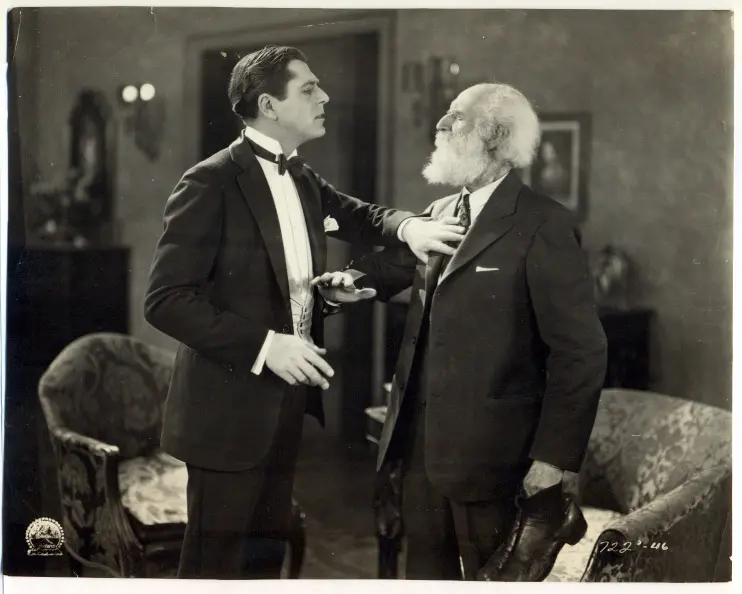
Welcome Home, released in 1925, is a poignant exploration of generational conflicts and the delicate balance of family life. The film opens with the abrupt arrival of Fred Prouty's elderly father, Mr. Prouty, at the small apartment shared by Fred and his wife, Nettie. This unexpected visit sets the stage for a series of comedic and poignant moments that highlight the tension between the younger generation's desire for peace and stability and the older generation's need for companionship and a sense of belonging.
Ben Hendricks Sr. delivers a nuanced performance as Mr. Prouty, a man who has always been a presence in his family's life but whose sudden re-entry into their lives challenges the status quo. Margaret Morris and Warner Baxter, as Fred and Nettie, bring a chemistry that underscores the complexity of their relationship. Nettie, in particular, is portrayed with a blend of frustration and affection, resonating with viewers who have experienced similar conflicts in their families.
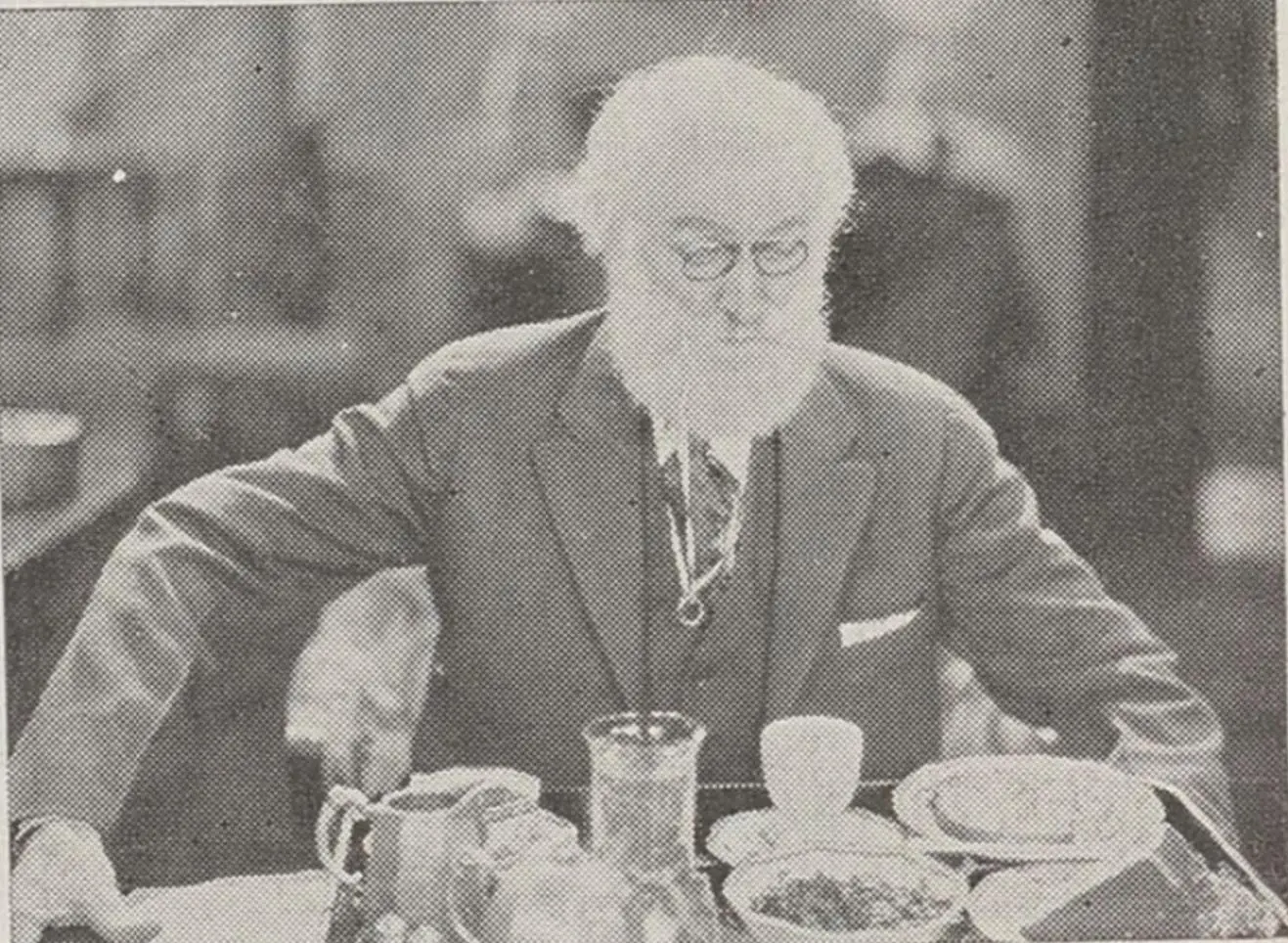
The film's narrative is a masterclass in handling the dynamics of family life. Nettie's attempts to maintain order and Fred's efforts to mediate between his father and his wife form the crux of the story. The luncheon scene, with its mess and disruptions, serves as a turning point, illustrating the irreconcilable differences between the two generations. This sequence, directed with a deft touch, captures the essence of conflicting desires and the struggle to find a middle ground.
As the narrative progresses, the film delves into deeper themes of sacrifice and understanding. Nettie's ultimatum to Fred is a pivotal moment, highlighting the weight of responsibility and the sacrifices required in maintaining a family. The decision for Mr. Prouty to move to the old folks' home is a bittersweet resolution, reflecting the broader narrative of the elderly making way for the younger generation. This decision, while seemingly a resolution, leaves a lingering sense of loss, adding layers to the film's emotional depth.
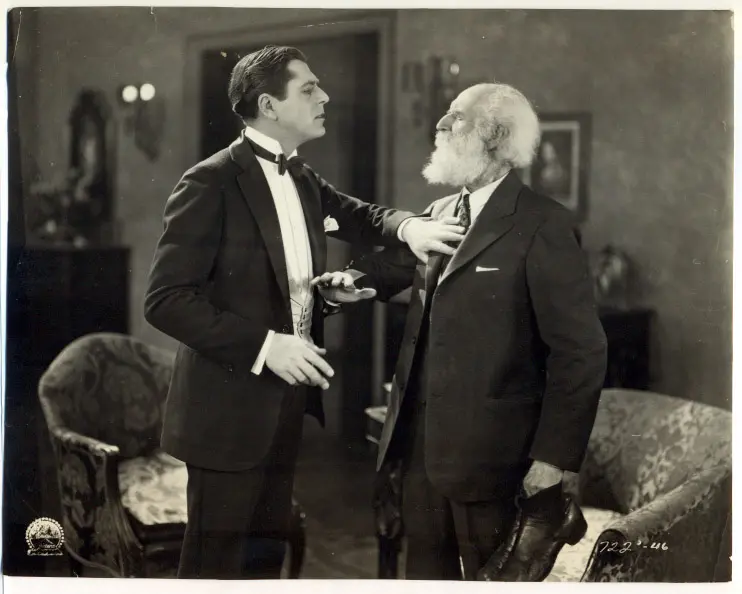
Edna Ferber, F. McGrew Willis, George S. Kaufman, and Walter Woods, the writers behind the script, have crafted a dialogue that is both witty and poignant. The exchanges between Mr. Prouty and his friends at the old folks' home offer a glimpse into his character's past and his regrets, adding a layer of complexity to his actions. The interplay between past and present, between the comfort of familiarity and the excitement of the new, is handled with finesse, making the film a rich tapestry of human emotions.
The visual elements of the film are equally noteworthy. The small apartment, with its limited space and cluttered environment, becomes a microcosm of the family's conflict. The cinematography, with its focus on intimate close-ups and dynamic framing, captures the nuances of the characters' interactions. The use of lighting and shadows adds depth to the scenes, enhancing the emotional impact of each moment.
Comparatively, 'Welcome Home' shares thematic similarities with films like 'The Common Law' (1923) and 'The Gaiety Girl' (1924), both of which explore the tensions between generations. However, 'Welcome Home' stands out for its more nuanced portrayal of family dynamics and its exploration of the delicate balance between tradition and modernity. The film's handling of these themes is both insightful and entertaining, making it a valuable addition to the silent film era's rich legacy.
Overall, 'Welcome Home' is a gem of early American cinema, offering a profound look at the complexities of family life. It is a testament to the power of human relationships and the challenges faced in maintaining them. This film, with its well-crafted dialogue, nuanced performances, and thoughtful direction, is a must-watch for anyone interested in the art of film and the enduring themes of family and generational conflict.

IMDb 7
1923
Community
Log in to comment.