DbcultAccessing Vault...
Cult Review
Senior Film Conservator
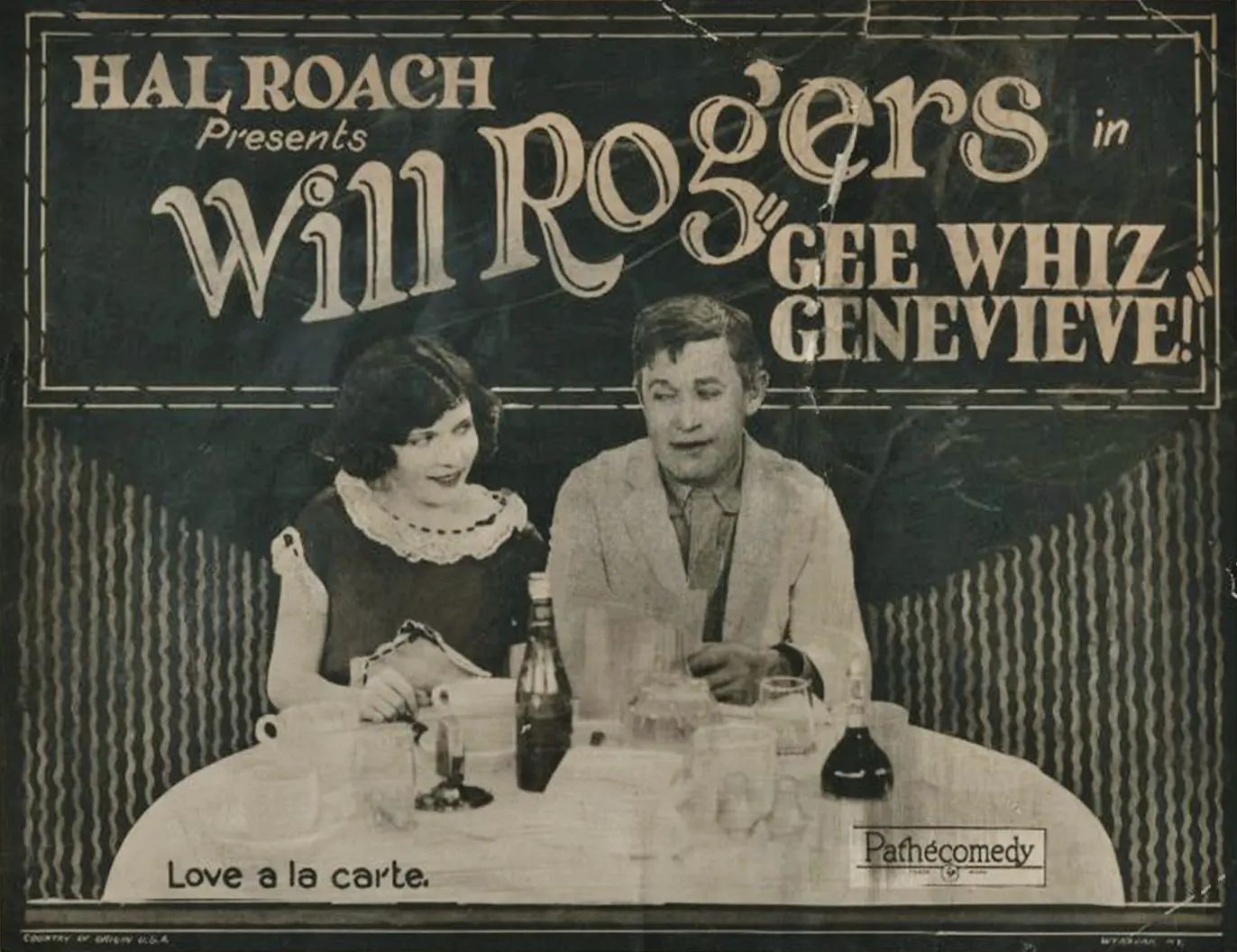
Jubilo, the quintessential lazy hobo, finds himself in a whirlwind of comedic chaos when he delivers a note to a drug store, only to discover that it reads he has smallpox. This unexpected twist sends him on a mission to clear his name and meet Genevieve, the sister of his hobo companion, who runs a local restaurant.

Will Rogers, in one of his earliest comedic roles, brings a unique blend of wit and charm to the screen. His character, Jubilo, is a perfect embodiment of the carefree, good-natured hobo archetype, yet his naivety and lack of foresight lead to a series of misadventures that would make even the most seasoned slapstick comedian applaud.
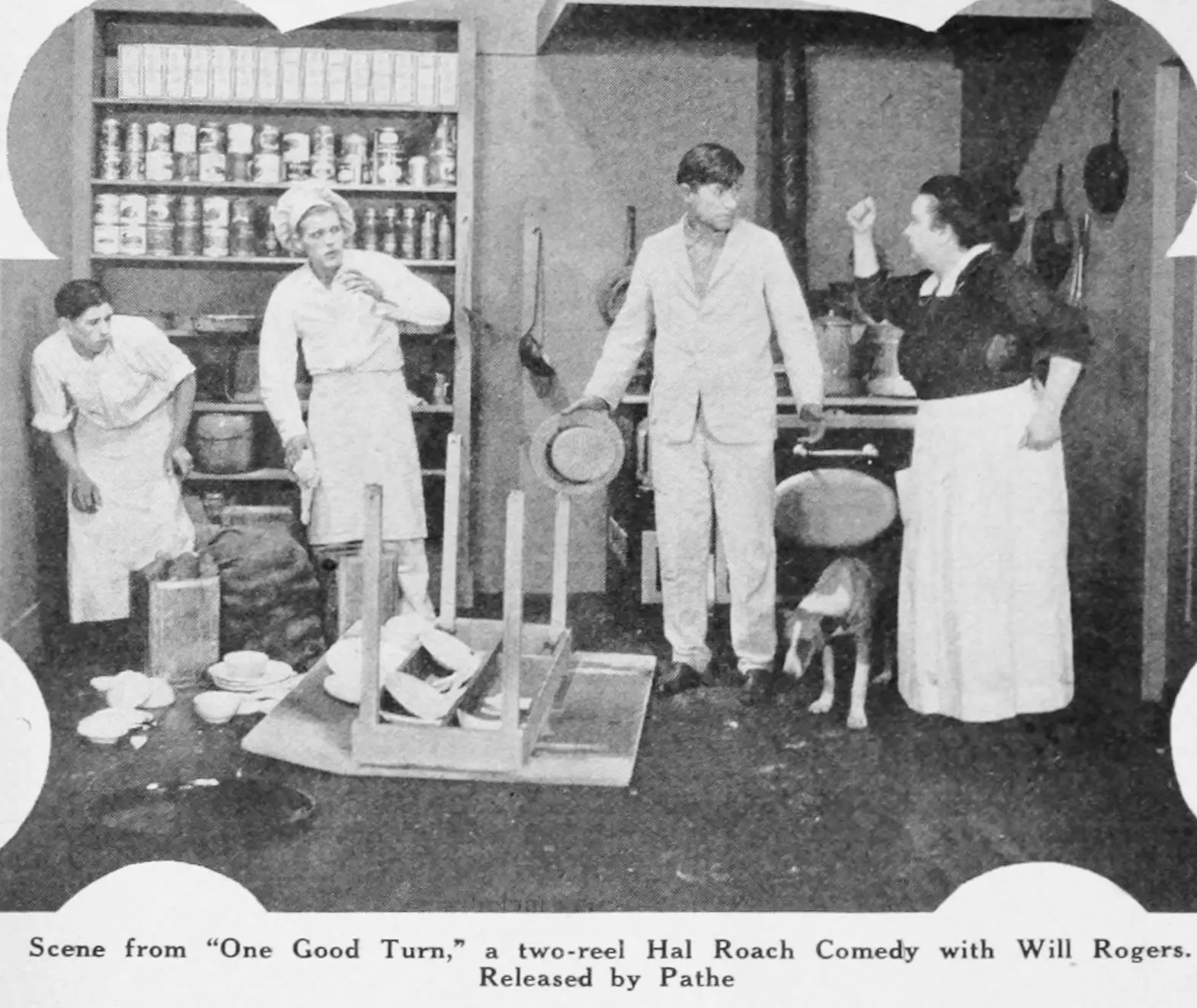
The film's first half is a delightful slice of small-town life, with Will Rogers' jovial demeanor and the supporting cast's energetic performances, creating a vibrant atmosphere. The chemistry between Rogers and his co-stars, particularly Ena Gregory as the mysterious and independent Genevieve, adds layers of complexity to the story.

As the plot unfolds, Jubilo's journey becomes a quest not only for love and acceptance but also for redemption. His interactions with the townsfolk, who are initially wary of his condition, provide ample opportunity for humorous and touching scenes. The film's comedic timing is impeccable, with moments of levity seamlessly transitioning into poignant, heartfelt exchanges.
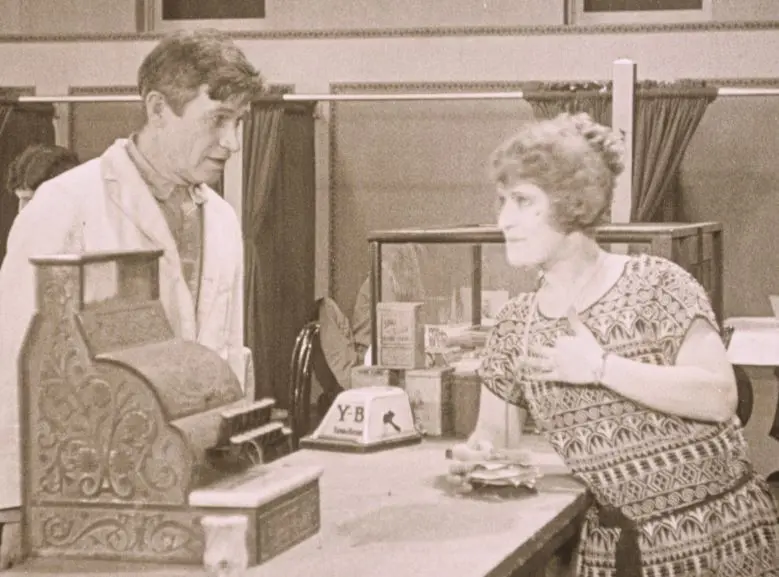
The film's second half is where the true depth of the story emerges. As Jubilo becomes more involved with Genevieve, the narrative takes on a more romantic and suspenseful tone. The tension builds as he tries to win her affection while simultaneously proving his innocence. The climax is a tour de force of slapstick and heartwarming moments, culminating in a satisfying resolution that leaves the audience with a sense of closure and joy.

Gee Whiz, Genevieve stands out among other films of its era due to its nuanced character development and its ability to balance humor with emotional depth. Its influence can be seen in the way it blends the traditional slapstick comedy with more complex narrative structures, setting a precedent for future comedic works.
For those interested in silent films, this is a must-see. The film's visual storytelling is masterful, with clever use of props and costumes enhancing the comedic elements. The score, while not as elaborate as in more recent films, still manages to underscore the emotional beats of the story, adding another layer of richness to the viewing experience.
Compared to other films of the era, such as Soldiers of Fortune or Flying Colors, Gee Whiz, Genevieve is a standout for its character-driven plot and its ability to evoke both laughter and genuine emotion. It's a testament to the art of silent filmmaking, where the power of storytelling lies in the subtleties of facial expressions and body language, without the crutch of dialogue.
In conclusion, Gee Whiz, Genevieve is a delightful journey through the golden age of silent film, offering a comedic gem that continues to entertain and inspire audiences. It's a film that reminds us of the enduring power of humor and the importance of human connection, even in the most challenging circumstances.

IMDb 6.9
1936
Community
Log in to comment.