DbcultAccessing Vault...
6.6/10
Senior Film Conservator
A definitive 6.6/10 rating for a film that redefined the boundaries of cult cinema. What Happened to Jones? remains a cornerstone of transgressive art.
Stepping back into the raucous, rollicking world of 1920s silent comedy, one often encounters narratives built upon the flimsy, yet endlessly entertaining, foundations of mistaken identity and escalating social faux pas. Few films encapsulate this spirit with quite the same frenetic energy and endearing charm as 'What Happened to Jones?', a 1925 cinematic gem that, while perhaps not as universally heralded as some of its contemporaries, offers a delightful glimpse into the era's comedic sensibilities. Directed by William Austin, this adaptation of a popular stage farce by George Broadhurst, with a screenplay by Melville W. Brown, delivers a sustained barrage of slapstick and situational humor, anchored by a cast perfectly attuned to the demands of physical comedy and expressive silent acting.
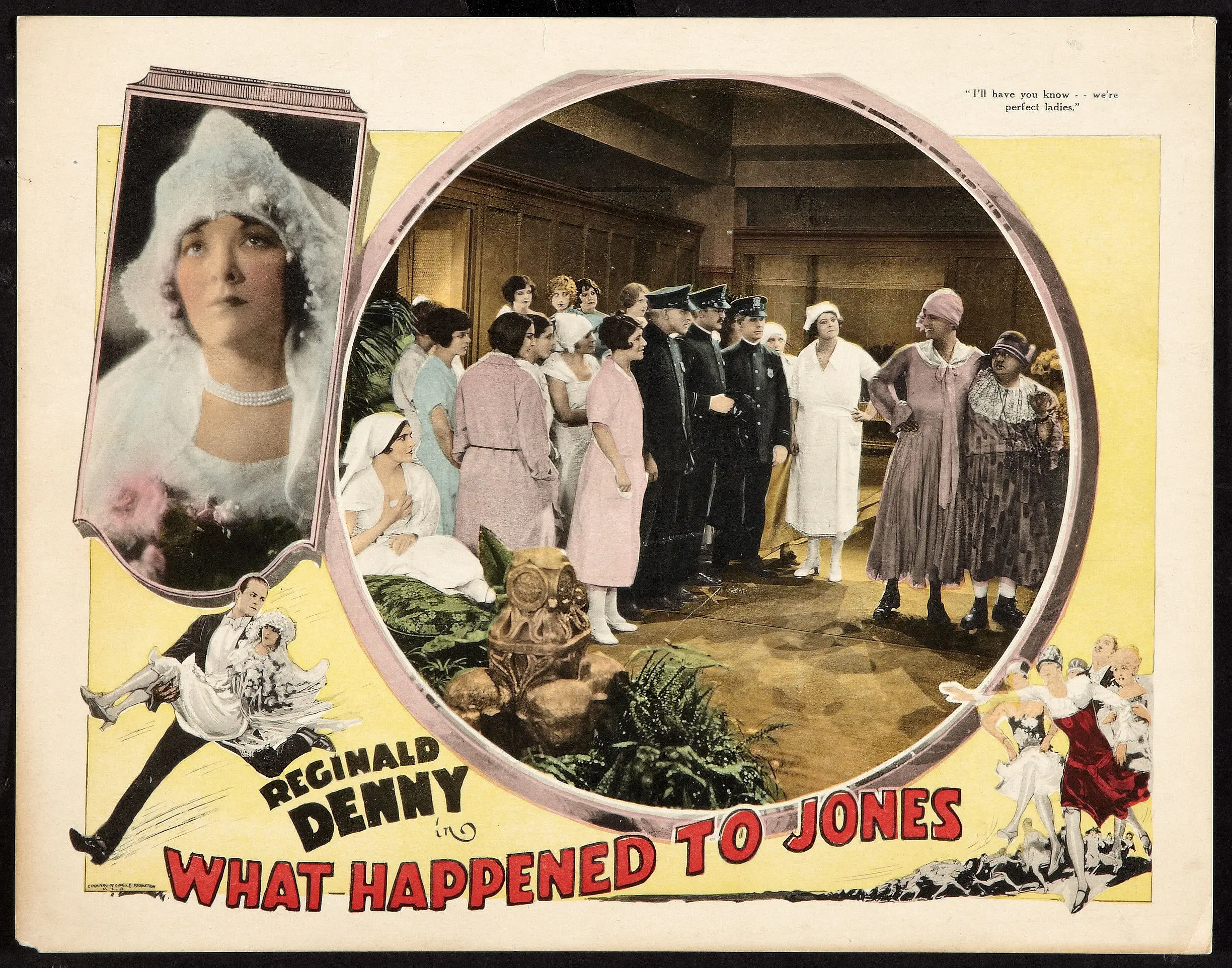
The premise, a veritable cornerstone of farcical tradition, is deceptively simple: a groom-to-be, on the very eve of his wedding, finds himself entangled in a series of increasingly preposterous predicaments. Our protagonist, played with admirable earnestness and escalating panic by Reginald Denny, is merely enjoying a final bachelor's poker night with his friends. This seemingly innocent gathering, however, is abruptly interrupted by a police raid, a common enough trope for signaling the onset of chaos in prohibition-era narratives. What distinguishes Jones's plight is not merely the escape, but the utterly unforeseen sanctuary he stumbles into: a Turkish bath, which, to his profound misfortune, is currently observing its designated 'ladies' night.' This single narrative pivot ignites a powder keg of gender-bending masquerade, social awkwardness, and the kind of frantic, desperate improvisation that forms the bedrock of truly memorable silent comedy.
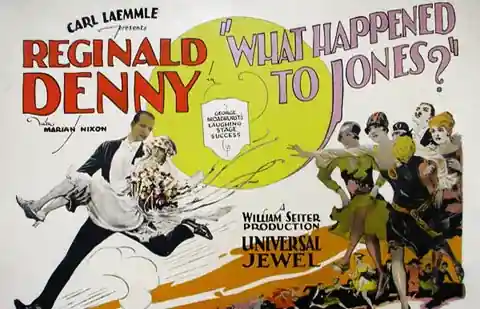
The brilliance of 'What Happened to Jones?' lies in its relentless, almost surgical, escalation of absurdity. From the initial police siren shattering the quiet camaraderie of the poker game, the film's pace accelerates, building momentum with each new complication. Jones’s desperate scramble into the Turkish bath is merely the first domino to fall. The decision, or rather the necessity, to don women’s clothing is a classic comedic device, but here it's executed with a particular blend of urgency and broad physical humor. Reginald Denny, a formidable leading man known for his athletic prowess and debonair screen presence, transforms convincingly (or rather, comically unconvincingly) into a flustered woman, his tall frame and masculine features providing an inherent visual gag that never quite wears thin. His every movement, every wide-eyed glance of terror, is amplified by the silent medium, allowing the audience to fully absorb the enormity of his predicament.
The film then introduces a cavalcade of characters who inadvertently complicate Jones’s charade. Zasu Pitts, an actress whose unique blend of nervous energy and wide-eyed innocence made her a silent era staple, plays a character whose interactions with the disguised Jones add layers of excruciatingly funny misunderstanding. Pitts had a singular ability to convey a sense of perpetually on-the-verge-of-collapse vulnerability, and her presence here provides a perfect foil to Denny’s increasingly frantic attempts at maintaining his ruse. Nina Romano and Marian Nixon, too, contribute to the ensemble, each playing their part in the elaborate dance of confusion that unfolds within the steamy confines of the bathhouse and beyond. The writers, Melville W. Brown and George Broadhurst, clearly understood the mechanics of theatrical farce, translating its rapid-fire dialogue and intricate plotting into a visual language that transcends the need for spoken words.
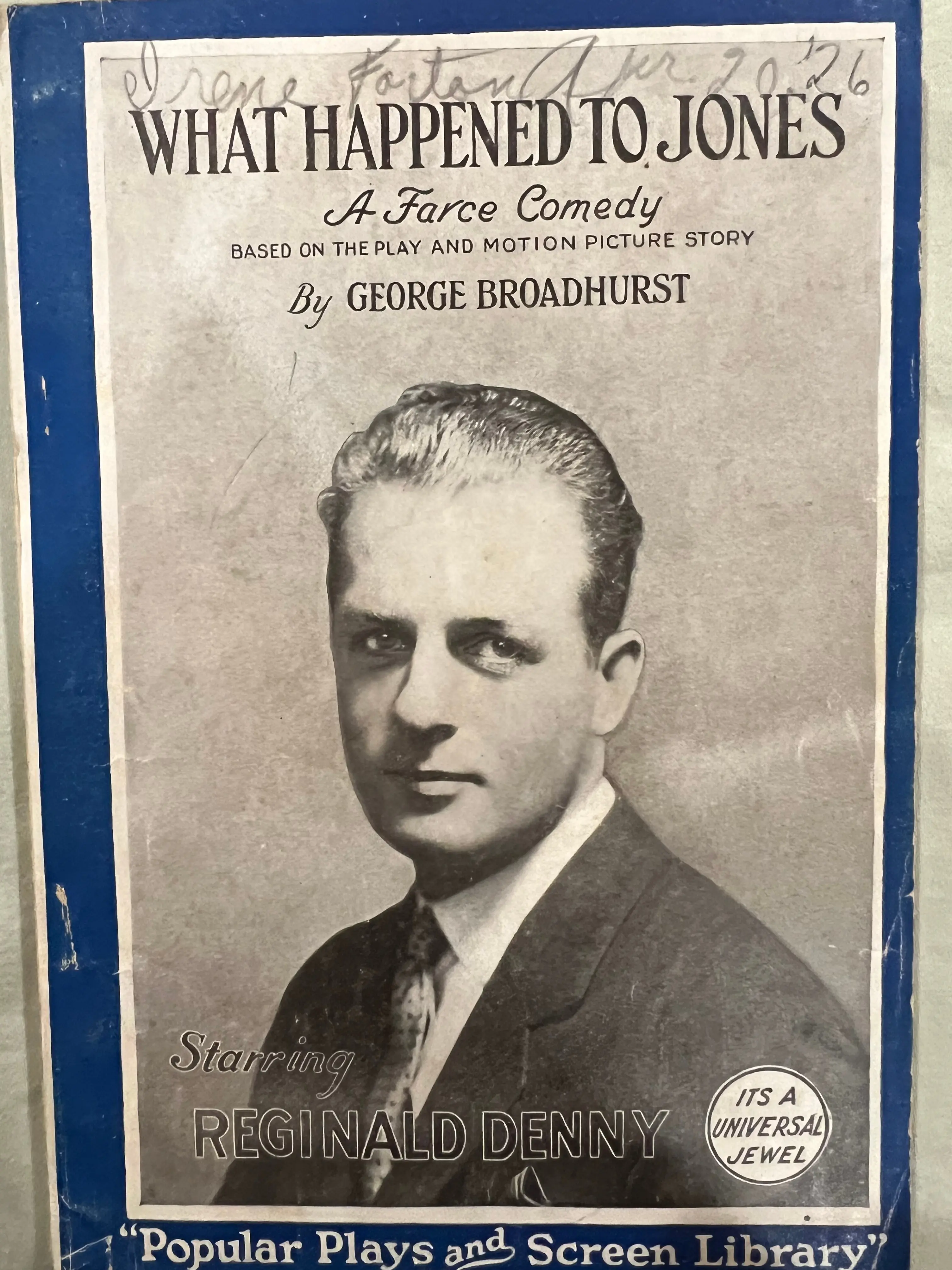
Reginald Denny, in the central role, is nothing short of magnificent. His performance is a testament to the versatility required of silent film actors. He navigates the spectrum from confident bachelor to terrified fugitive to awkward drag queen with a physical eloquence that speaks volumes. His reactions, from subtle eye movements to full-body collapses, are meticulously choreographed, ensuring that every beat of the comedy lands with precision. It's a physically demanding role, requiring him to maintain a delicate balance between utter desperation and the inherent silliness of his situation. Denny’s ability to elicit both sympathy and uproarious laughter makes Jones a profoundly engaging protagonist, even as his choices lead him further into the comedic abyss.
The supporting cast, too, deserves considerable praise. William Austin, Ben Hendricks Jr., and the aforementioned Zasu Pitts form a formidable comedic battery. Pitts, in particular, with her distinctive mannerisms and often-imitated tremulous delivery, injects a unique flavor into the proceedings. Her character’s interactions with Jones are often the most memorable, highlighting the social awkwardness and misinterpretations that drive the plot. The ensemble works like a well-oiled machine, each actor understanding their place in the grand design of the farce, contributing to the overall comedic rhythm without overshadowing the central performance. Even smaller roles, filled by character actors like John Elliott, Melbourne MacDowell, and Otis Harlan, are imbued with personality, adding to the bustling, lived-in feel of the film's world.
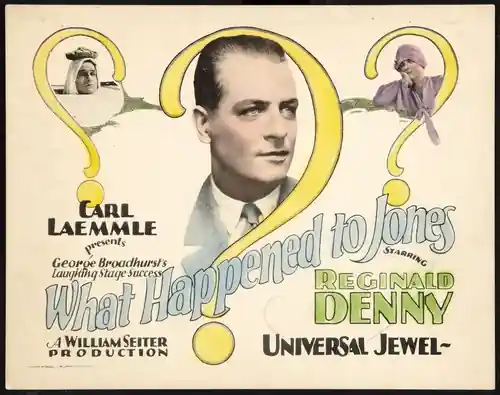
To fully appreciate 'What Happened to Jones?', it's crucial to view it through the lens of its era. The 1920s, often dubbed the 'Roaring Twenties,' was a period of significant social upheaval and changing mores, yet also one where traditional gender roles and expectations remained firmly entrenched. The humor derived from a man in drag, particularly one attempting to evade the law and his impending marriage, would have resonated strongly with contemporary audiences, playing on both anxieties and the sheer novelty of such a sight. The film taps into a universal comedic wellspring: the fear of exposure, the desperate attempt to maintain appearances, and the delicious irony of circumstances conspiring against one's best intentions.
While not a film of profound social commentary, it playfully skewers the rigidities of polite society and the often-absurd lengths individuals will go to preserve their reputation. The Turkish bath setting itself is a stroke of genius, a liminal space of vulnerability and anonymity that paradoxically becomes the stage for Jones’s most public humiliation. The film's lighthearted approach to cross-dressing, while undoubtedly rooted in the comedic sensibilities of its time, is handled with a certain innocence, focusing more on the situational humor than any deeper exploration of gender identity. It’s a testament to the film’s enduring appeal that these gags, despite their age, still manage to elicit chuckles today.
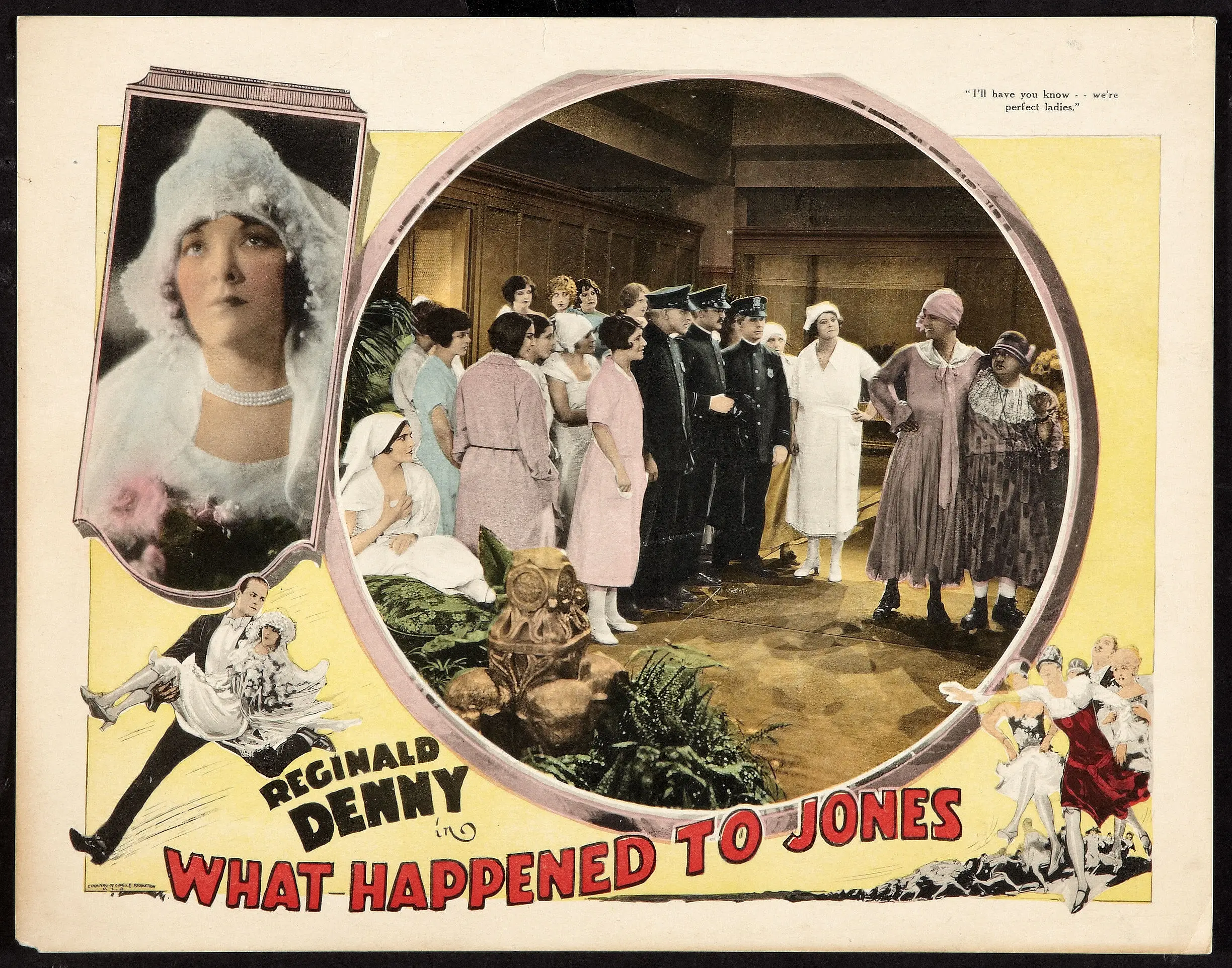
William Austin’s direction is characterized by a brisk pace and a clear understanding of visual storytelling, essential for silent cinema. The camera work, while not groundbreaking, is effective in conveying the frantic energy of the chase sequences and the intimate awkwardness of Jones’s disguise. Editing is sharp, cutting between reaction shots and action to maximize comedic impact. The film avoids lingering too long on any single gag, instead opting for a rapid succession of complications that keep the audience engaged and perpetually amused. This dynamic pacing is crucial for a farce; any slack in the narrative tension would allow the inherent absurdity to deflate.
The production design, particularly of the Turkish bath, effectively creates a setting that is both mundane and ripe for comedic exploitation. The steam, the white towels, the various chambers – all contribute to the atmosphere of a place where one might expect relaxation, not gender-bending chaos. The film’s ability to transform an ordinary setting into a crucible of comedic torment is a hallmark of good farce. It's in these details, often overlooked in the broader strokes of plot, that silent films frequently revealed their understated brilliance.
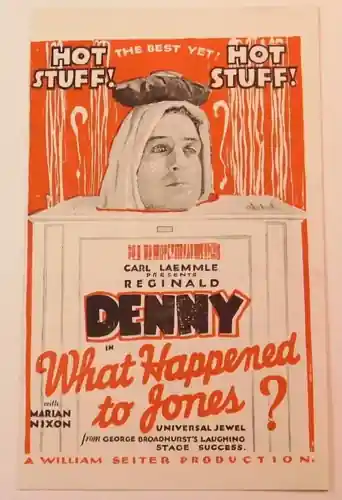
When considering 'What Happened to Jones?' within the broader landscape of silent-era comedies, one can draw interesting parallels. The film's reliance on a singular, escalating misunderstanding as the engine of its plot is a technique seen in many successful farces of the period. For instance, films like The Lottery Man, another comedic exploration of pre-marital anxieties and social entanglement, similarly plays with the idea of a character being forced into an uncomfortable situation to achieve a desired outcome, albeit through different means. Both films leverage the humor inherent in societal expectations clashing with individual predicaments. The sheer physical comedy and the rapid-fire succession of gags also bring to mind aspects of other silent slapstick, though 'What Happened to Jones?' leans more heavily into the 'comedy of manners' aspect, albeit amplified for the screen, rather than pure physical spectacle.
Another interesting comparison point could be Leap Year, which also delves into the romantic complications and farcical situations surrounding impending nuptials. While the specific comedic mechanisms differ, the underlying tension of a man trying to navigate a series of absurd obstacles to reach his wedding day is a shared thematic thread. These comparisons highlight not just the commonalities in comedic tropes but also the unique ways each film adapted them for maximum entertainment in their respective contexts. 'What Happened to Jones?' stands out for its particularly audacious premise and the sheer commitment of its lead actor to the drag performance, making it a memorable entry in the silent comedy canon.
In its entirety, 'What Happened to Jones?' is a testament to the enduring power of well-crafted farce. It might not possess the grand scale of an epic or the profound emotional depth of a drama, but it excels in its chosen domain: making people laugh. The film is a vibrant, energetic piece of entertainment that perfectly captures the spirit of its time while offering timeless comedic situations. Reginald Denny’s performance alone is worth the price of admission, showcasing a range and dedication that solidifies his place as a silent film icon. Zasu Pitts and the rest of the ensemble provide stellar support, ensuring that every scene is packed with delightful moments of confusion and exasperation.
For those with an appreciation for the intricate mechanics of silent comedy, or simply a desire for a good laugh, 'What Happened to Jones?' remains a highly recommended watch. It serves as a charming reminder that sometimes, the most complex and uproarious narratives can spring from the simplest of premises – a poker game, a police raid, and a very unfortunate choice of hiding place. Its ability to maintain a relentless pace of comedic misfortune, culminating in a satisfyingly chaotic resolution, ensures its place as a delightful, if perhaps under-celebrated, classic of the silent screen. The film's legacy lies not in its groundbreaking innovation, but in its perfect execution of a tried-and-true formula, proving that a good laugh transcends the decades and the absence of spoken dialogue.
IMDb 2.1
1936
Community
Log in to comment.