DbcultAccessing Vault...
7.1/10
Senior Film Conservator
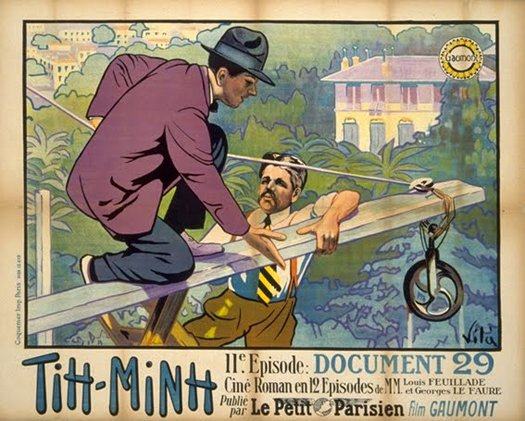
A definitive 7.1/10 rating for a film that redefined the boundaries of cult cinema. Tih Minh remains a cornerstone of transgressive art.
Louis Feuillade. The name alone conjures images of shadowy figures, labyrinthine plots, and the intoxicating allure of early cinematic serials. His work transcended mere entertainment, carving out a unique niche in the burgeoning art form, blending pulp fiction thrills with an almost documentary-like capture of Parisian life. Among his prolific output, Tih Minh stands as a testament to his enduring genius, a sprawling espionage saga that, even a century later, retains its power to captivate and mystify. This isn't just a film; it's an odyssey, a multi-part spectacle that demands immersion, rewarding the patient viewer with a masterclass in suspense and character development.
At its core, Tih Minh unravels a narrative that feels both distinctly of its time and strangely prescient. We are introduced to Jacques d'Athys, a French adventurer whose return from an Indochinese expedition is anything but triumphant. He carries with him not only a beautiful Eurasian fiancée, the titular Tih Minh, but also a seemingly innocuous book. This volume, however, is no ordinary tome; it harbors a coded message, a secret key to both immense treasures and sensitive governmental intelligence. This revelation transforms d'Athys from an explorer into an unwitting pawn in a global game of espionage, making him the prime target for a sinister cabal of international spies. Feuillade, with his characteristic flair, introduces us to a rogues' gallery of antagonists: a Marquise of enigmatic Latin origin, whose sophisticated demeanor masks a ruthless ambition; a Hindu hypnotist, whose powers of persuasion are as unsettling as they are effective; and an evil German doctor, a scientific mind twisted to nefarious purposes. Each character, meticulously crafted, contributes to an escalating sense of dread and urgency, driving the plot forward with an relentless momentum.
The serial format, perfected by Feuillade, is arguably one of Tih Minh's most compelling aspects. Unlike the more self-contained narratives of films like The Prince Chap or His Father's Son, Feuillade’s serials thrive on continuous suspense, leaving audiences on tenterhooks at the close of each episode. This episodic structure allowed for intricate plotting, character arcs that unfolded over hours of screen time, and a deepening sense of immersion. The genius lies in the way Feuillade manages to maintain narrative coherence across multiple installments, each building upon the last, yet often introducing new twists and turns that defy easy prediction. He understood the psychological impact of the cliffhanger, a technique he wielded with unparalleled mastery, ensuring that viewers would flock back to the cinemas week after week, eager to unravel the next layer of the mystery.
What sets Feuillade apart from many of his contemporaries is his ability to ground fantastical elements within a very tangible reality. While the plot of Tih Minh borders on the sensational, the meticulous attention to detail in its depiction of French society, its architecture, and its daily rhythms lends an air of verisimilitude. The streets of Nice, the opulent interiors, and the bustling outdoor scenes are not merely backdrops; they are active participants in the drama, often concealing clues or serving as arenas for daring escapes and clandestine meetings. This blending of the ordinary with the extraordinary is a hallmark of his style, a trait that elevates his work beyond simple adventure fare.
The performances in Tih Minh are, for the most part, exemplary for their era, navigating the nuances of silent film acting with a compelling blend of melodrama and subtlety. Édouard Mathé, a recurring presence in Feuillade's work, embodies Jacques d'Athys with a suitable blend of heroic resolve and bewildered vulnerability. He portrays a man thrust into a world he barely comprehends, forced to adapt quickly to survive. His scenes with Mary Harald, who plays Tih Minh, are particularly poignant, conveying a deep affection that anchors the more fantastical elements of the plot. Harald's portrayal of Tih Minh is captivating, her Eurasian heritage adding an exotic dimension that was often exploited for dramatic effect in early cinema, yet she imbues the character with a quiet strength and resilience that transcends mere stereotype.
The villains, however, are where Feuillade truly allows his actors to shine, embracing the theatricality inherent in silent film. Adeline de La Croix as the mysterious Marquise is a standout, her every gesture exuding a calculated menace. Her elegance is a thin veneer over a predatory nature, making her a truly formidable antagonist. Louis Leubas, the evil German doctor, is another memorable presence, his cold, intellectual villainy a stark contrast to the more overtly physical threats often seen in adventure serials. And then there's Manuel Caméré as the Hindu hypnotist, a figure of unsettling power, whose ability to manipulate minds adds a psychological dimension to the espionage. The collective menace these actors project is palpable, creating a powerful sense of stakes and danger that pervades every frame. Even smaller roles, such as those played by René Cresté or Gaston Michel, contribute to the rich tapestry of characters, each serving a distinct purpose in Feuillade’s intricate narrative.
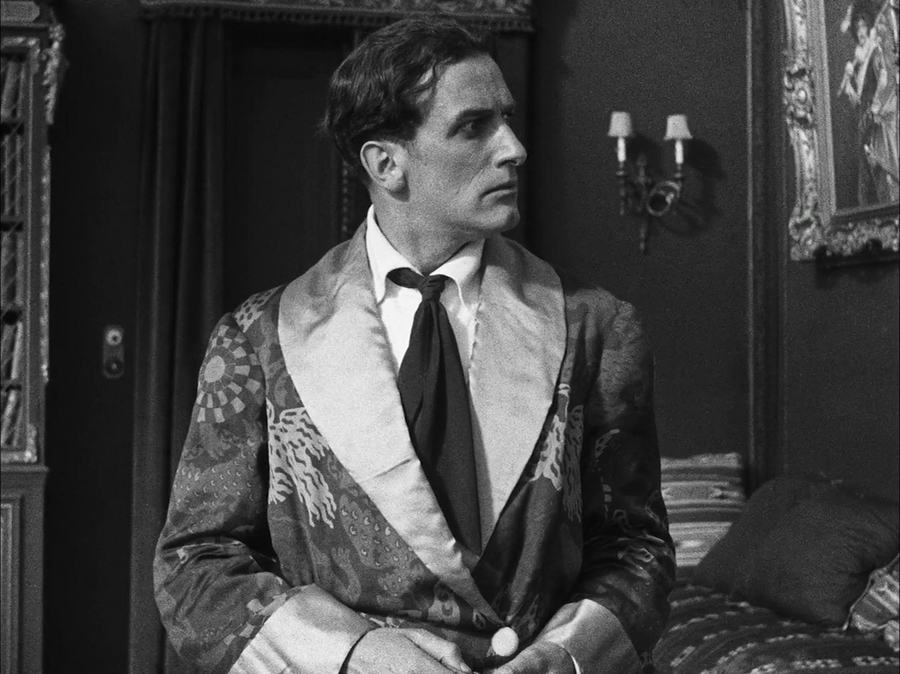
Feuillade’s directorial style in Tih Minh is a fascinating blend of practical efficiency and nascent artistry. While often criticized for a seemingly static camera, particularly in comparison to the more kinetic American cinema of the time, this deliberate choice served a purpose. His long takes and wide shots allowed the viewer to absorb the full scope of a scene, to notice the subtle details in the background, and to appreciate the intricate blocking of the actors. This approach fosters a sense of observation, inviting the audience to become active participants in deciphering the visual information presented on screen. It’s a style that prioritizes narrative clarity and atmospheric immersion over rapid-fire editing, a stark contrast to some more frenetic contemporary works like The Dark Road or The Catspaw.
Moreover, Feuillade was a master of using real locations, a technique that imbues Tih Minh with an authenticity often lacking in studio-bound productions. The chases through the streets, the clandestine meetings in secluded gardens, the confrontations in stately homes – all feel remarkably grounded. This commitment to realism, combined with his flair for the dramatic, creates a unique tension. The everyday world becomes a stage for extraordinary events, making the espionage feel more immediate and dangerous. This approach, while perhaps not as overtly experimental as some of his peers, was nevertheless highly effective in creating a compelling cinematic experience.
Beyond the thrilling plot, Tih Minh explores several enduring themes. The clash of cultures, represented by Tih Minh herself and the various international spies, is a recurring motif. There's an underlying fascination with the 'exotic' — a common trope of the era — but Feuillade manages to imbue Tih Minh with agency and intelligence, making her more than just a decorative figure. The constant threat of betrayal, the blurred lines between friend and foe, and the pervasive sense of a hidden world operating beneath the surface of polite society are all explored with a keen eye. These themes resonate even today, reflecting anxieties about global conflict, hidden agendas, and the vulnerability of individual liberty in the face of powerful, unseen forces.
The film's depiction of espionage, while rooted in early 20th-century sensibilities, lays groundwork for countless spy thrillers that would follow. The idea of a crucial secret hidden within an innocuous object, the pursuit by multiple international factions, the use of disguise and deception – these are tropes that have become foundational to the genre. In this sense, Tih Minh, much like Feuillade's other celebrated serials, functions as a historical document of genre evolution, a precursor to the intricate spy narratives that would dominate screens for decades. It's not difficult to trace a lineage from the shadowy machinations in this film to the complex plots of later espionage classics.
Watching Tih Minh today is an exercise in historical appreciation and critical analysis. It requires a certain patience, an adjustment to the pacing and visual language of early cinema. However, for those willing to make the journey, the rewards are substantial. Feuillade's ability to craft a compelling, multi-layered narrative across many hours of screen time is nothing short of remarkable. His understanding of suspense, his skillful direction of his ensemble cast, and his unique blend of realism and high adventure all coalesce into a cinematic experience that transcends its historical context.
While not as widely known as some of his other works, Tih Minh nevertheless holds its own as a significant achievement in early French cinema. It demonstrates Feuillade's continued fascination with the criminal underworld and international intrigue, themes he explored with such captivating intensity in other serials. The sheer scale of the production, the ambition of its plot, and the memorable characters all contribute to its lasting appeal. It serves as a reminder that even in the nascent years of film, storytellers were capable of crafting complex, engaging narratives that pushed the boundaries of the medium.
In an era where attention spans are increasingly fragmented, the sustained narrative of Tih Minh offers a refreshing counterpoint. It invites viewers to slow down, to absorb, and to truly lose themselves in a meticulously constructed world of danger and deception. It’s a testament to the enduring power of classic storytelling, presented through the unique lens of one of cinema's earliest and most influential auteurs. For anyone interested in the origins of the spy genre, the evolution of cinematic narrative, or simply a gripping tale of adventure, Tih Minh remains an essential viewing experience, a vibrant, if silent, echo from a bygone era that continues to resonate with compelling force.

IMDb —
1916
Community
Log in to comment.