DbcultAccessing Vault...
6.5/10
Senior Film Conservator
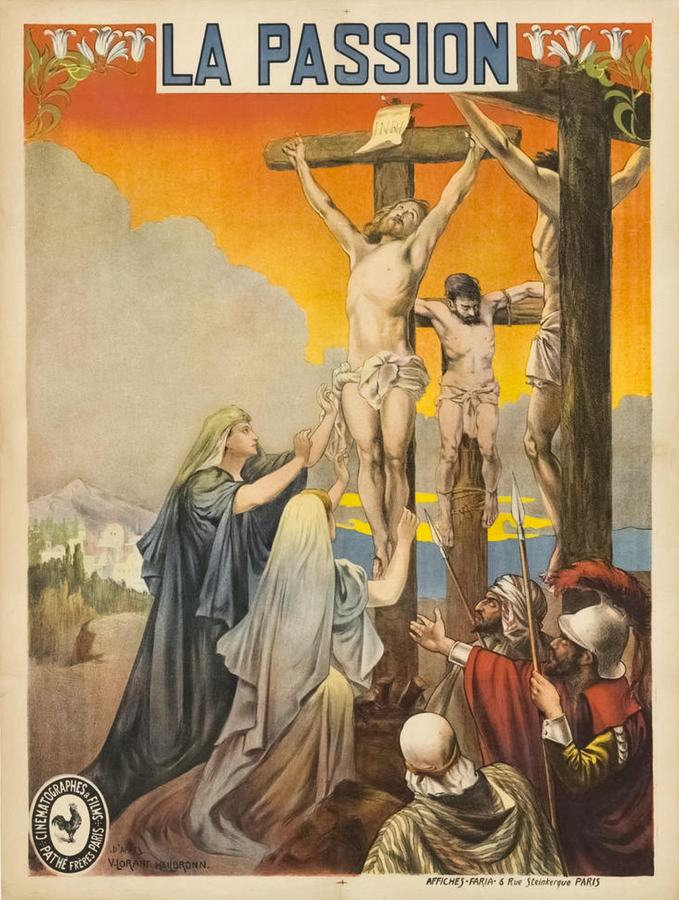
A definitive 6.5/10 rating for a film that redefined the boundaries of cult cinema. The Life and Passion of Jesus Christ remains a cornerstone of transgressive art.
In the nascent dawn of cinematic artistry, when the moving image was still grappling with its narrative voice, a film emerged that dared to tackle perhaps the most ambitious and universally recognized story in Western civilization: 'The Life and Passion of Jesus Christ'. This silent era masterwork, far more than a mere chronological recounting, stands as a monumental achievement, a testament to the boundless ambition and inventive spirit of early filmmakers. It is a work that, even today, commands respect not just for its subject matter, but for its pioneering visual language and the sheer scale of its production, which, as the original plot suggests, undeniably prefigured the glorious Italian colossal films of the silent period. Its influence ripples through cinematic history, shaping how biblical epics would be conceived and executed for decades to come.
The very audacity of attempting to encapsulate the life of Christ, from the miraculous annunciation to the agonizing crucifixion, within the rudimentary technological confines of early cinema is staggering. Yet, this film embraces the challenge with a dynamism and impressive scene construction that belies its age. The narrative unfolds not as a series of static photographs, but as a fluid, if sometimes theatrical, progression of events designed to evoke profound emotional and spiritual resonance. The filmmakers, recognizing the inherent limitations of spoken dialogue, leaned heavily on visual symbolism, elaborate mise-en-scène, and the expressive power of their actors.
From the moment the Nativity is proclaimed, the film establishes a tone of reverent spectacle. The manger scene, often depicted with humble simplicity, is here imbued with a sense of divine intervention, the arrival of shepherds and wise men rendered with a nascent sense of cinematic grandeur. This early establishment of scale and emotional weight is crucial, setting the stage for the dramatic arc that follows. The filmmakers understood that to convey the gravity of the story, they needed to make it feel expansive, significant, and visually compelling. This ambition to capture and convey a grand narrative through visual means alone is a cornerstone of its enduring legacy.
Central to the film's success are the performances, particularly those of Madame Moreau and Monsieur Moreau. In an era where acting styles were often broad and theatrical, designed to be understood from a distance and without the aid of spoken words, their portrayals are notably nuanced. Monsieur Moreau, in the role of Jesus, carries the immense weight of the character with a dignified solemnity that is both commanding and deeply empathetic. His gestures, facial expressions, and overall demeanor convey a profound sense of purpose, compassion, and ultimately, suffering. He embodies the Christ figure with an earnestness that transcends the period's typical melodramatic tendencies, making his portrayal resonate with a quiet intensity.
Madame Moreau, likely embodying the role of Mary or Mary Magdalene, brings a crucial human element to the divine narrative. Her presence, whether in moments of maternal tenderness or agonizing sorrow at the foot of the cross, provides an emotional anchor for the audience. The interplay between the two Moreaus, even in their silent communication, speaks volumes, highlighting the human cost and emotional depth of the Passion. Their performances, though rooted in the theatrical conventions of the time, exhibit a remarkable commitment to character, contributing significantly to the film's lasting impact and its ability to evoke genuine feeling from its viewers.
The film's designation as a 'prelude to the Italian colossal movies of the silent period' is not merely a historical footnote but a critical lens through which to appreciate its innovations. The sheer number of extras, the elaborate sets, and the meticulous staging of scenes like the Sermon on the Mount, the Entry into Jerusalem, and especially the trial and crucifixion sequences, demonstrate an ambition for spectacle that was groundbreaking. These were not intimate chamber dramas; they were attempts to create immersive, grand-scale depictions of historical and religious events, designed to overwhelm and inspire awe in the audience.
Consider the dramatic staging of the Last Supper, where the composition of the disciples around the table, the lighting, and the solemnity of the gestures all contribute to a sense of impending tragedy. Or the Via Dolorosa, where the crowds, the Roman soldiers, and the suffering figure of Christ create a powerful visual narrative of public humiliation and sacrifice. Such scenes required considerable logistical effort and a developing understanding of how to manage large-scale cinematic compositions. The dynamism of the actors, as noted in the plot, is amplified by the dynamism of the camera itself, which, while still relatively static by modern standards, was employed to capture the breadth and depth of these impressive scenes.
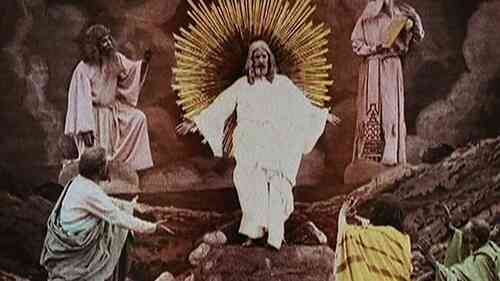
This cinematic approach to religious narrative can be loosely contrasted with other early films that sought to capture grand events, albeit in a more documentary style. While films like A Procissão da Semana Santa might capture the authentic ritual of a Holy Week procession, 'The Life and Passion' goes further, constructing a narrative spectacle that aims to recreate, rather than merely record, the sacred history. The ambition is not simply to show, but to tell, and to tell with a dramatic flair that elevates it beyond mere documentation.
Beyond the sheer scale, the film demonstrates a nascent sophistication in visual storytelling. The use of intertitles, while a standard of the era, is employed judiciously to provide context and heighten emotional impact. More importantly, the filmmakers utilized emerging cinematic techniques to convey meaning. The tableau vivant style, a popular form of entertainment at the time, is adapted for the screen, allowing for carefully composed shots that echo classical paintings and religious iconography. This fusion of theatricality, art history, and nascent cinematic grammar gave the film a unique aesthetic.
The film’s portrayal of miracles, for instance, relies on early special effects that, while rudimentary by today’s standards, were revolutionary for their time. The raising of Lazarus, the healing of the sick, and the feeding of the multitudes are rendered with a sense of wonder and divine power, achieved through inventive trick photography and clever staging. These moments were not just narrative beats; they were opportunities to showcase the magical potential of the new medium, to make the impossible believable on screen. This early exploration of visual effects for narrative enhancement is a crucial step in cinema's evolution.
The thematic depth of the film is also noteworthy. It navigates complex themes of faith, betrayal, redemption, and sacrifice with a clarity that transcends the lack of spoken dialogue. The filmmakers understood the universal resonance of the story and crafted a visual narrative that would communicate these profound ideas to a diverse audience. The final scenes of the crucifixion are particularly powerful, not shying away from the brutality of the event, but framing it within a context of profound spiritual significance. The suffering is depicted with a raw intensity that leaves a lasting impression, a testament to the film's ability to evoke strong emotional responses.
To fully appreciate 'The Life and Passion of Jesus Christ', it is essential to place it within the broader context of early cinema. While many films of the era, such as actualities like Birmingham or Saída dos Operários do Arsenal da Marinha, focused on capturing everyday life or specific events, and others, like the various fight films (The Corbett-Fitzsimmons Fight, Reproduction of the Corbett and Fitzsimmons Fight, Jeffries-Sharkey Contest, Sharkey-McCoy Fight Reproduced in 10 Rounds), sought to present spectacular re-enactments or live recordings, 'The Life and Passion' aimed for something different: a grand narrative epic. It was a conscious effort to leverage the new medium for storytelling of profound cultural and religious significance, moving beyond mere novelty or simple documentation.
The ambition of staging such a complex narrative, with its numerous characters, locations, and emotionally charged events, was a significant leap forward. It demonstrated that cinema was capable of more than just fleeting glimpses of reality or simple comedic sketches. It could aspire to the dramatic weight and emotional resonance traditionally found in theater or literature. The 'dynamism of the actors' and the 'impressive scenes' were not accidental; they were carefully orchestrated elements designed to elevate the film beyond its contemporaries and establish a new benchmark for narrative ambition in the burgeoning art form.
The enduring legacy of 'The Life and Passion of Jesus Christ' is multifaceted. It cemented the potential of cinema as a medium for grand, serious storytelling, paving the way for future historical epics and religious dramas. Its visual style, rooted in theatrical tradition but adapted for the screen, influenced generations of filmmakers. The film’s success also proved the commercial viability of feature-length narratives, encouraging further investment in more elaborate productions. It stands as a powerful reminder of the ingenuity and artistic courage of early cinematic pioneers who, with limited resources, managed to create works of profound impact and lasting beauty.
In an era when the medium was still defining itself, this film offered a compelling argument for cinema's potential as a powerful cultural force. It demonstrated that moving images could not only entertain but also educate, inspire, and deeply move audiences. The meticulous attention to detail, the powerful performances by the Moreaus, and the groundbreaking scale of its production all coalesce to create a work that transcends its historical context. It is a film that continues to be studied and admired, not just as a historical artifact, but as a vibrant and vital piece of early cinematic art, a true precursor to the grand narratives that would come to define the golden age of Hollywood and beyond. Its bold vision remains a testament to the transformative power of early cinema and its capacity to bring universal stories to life with unprecedented scale and emotional depth.
IMDb —
1920
Community
Log in to comment.