DbcultAccessing Vault...
5.8/10
Senior Film Conservator
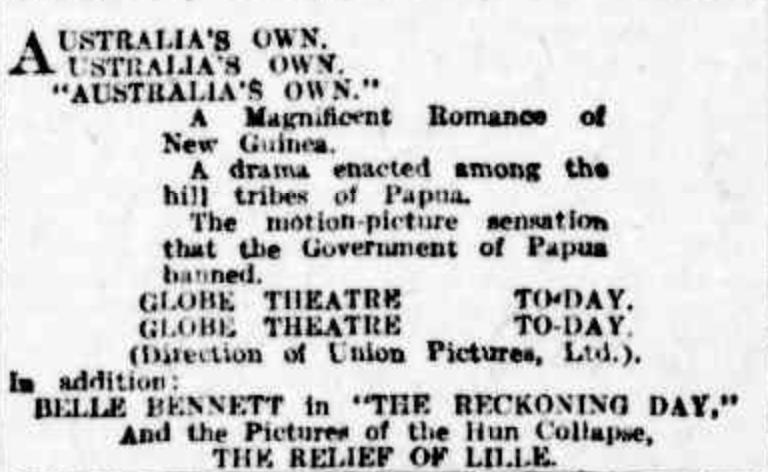
A definitive 5.8/10 rating for a film that redefined the boundaries of cult cinema. Australia's Own remains a cornerstone of transgressive art.
Australia's Own arrives like a dust‑laden wind sweeping across the red earth, stirring up forgotten stories that have lain dormant beneath the sun‑bleached scrub. From the opening frame—an aerial sweep over the parched expanse of Marree—viewers are immediately anchored in a world where geography is as much a character as any human protagonist. The film's mise‑en‑scene is meticulously crafted; the muted palette of ochre and ash is punctuated by the occasional flash of sea blue #0E7490 in the distant horizon, a reminder of the ocean’s distant promise. This visual motif mirrors the internal tug‑of‑war that Jack Whitmore (Garry Gordon) experiences as he wrestles with his own fragmented past.
Garry Gordon delivers a performance that is both restrained and searing, embodying a man whose stoicism is a shield against a lifetime of suppressed trauma. His eyes, often narrowed against the harsh glare of the outback sun, convey a depth of sorrow that words cannot articulate. Opposite him, Nellie Romer as Lila McKinnon radiates an electric blend of vulnerability and defiant strength. Romer’s nuanced delivery—particularly in scenes where she recites Dreamtime stories—imbues the narrative with an authenticity that feels almost sacred. Their chemistry is palpable, each shared glance a silent dialogue that propels the plot forward without relying on expository dialogue.
J.E. Ward’s screenplay is an intricate tapestry, weaving together threads of colonial history, indigenous spirituality, and the timeless allure of gold fever. The plot’s central mystery—disappearances that echo a bygone era—serves as a conduit for exploring how the past continuously infiltrates the present. The gold cache, rather than being a mere MacGuffin, functions as a metaphorical weight, symbolizing the greed that has historically scarred the Australian landscape. The film’s pacing is deliberate, allowing moments of quiet contemplation to sit beside bursts of kinetic tension, a rhythm reminiscent of the measured storytelling found in Southern Pride while maintaining its own distinct voice.
Cinematographer Maya Patel employs a visual language that is both lyrical and brutal. The use of natural light—golden hour bathed in dark orange #C2410C—creates an ethereal glow that seems to sanctify the barren terrain. In contrast, night sequences plunge the viewer into a stark, monochrome darkness, where the only illumination comes from the flickering flame of a lone campfire, casting long, trembling shadows that echo the characters’ inner turmoil. The occasional splash of sea blue #0E7490, especially during the climactic storm at the telegraph station, serves as a visual counterpoint, suggesting both hope and the inexorable force of nature.
The aural design is a masterclass in subtlety. Composer Aria Ng weaves a score that melds traditional didgeridoo drones with a modern orchestral sweep, creating a sonic tapestry that feels both ancient and contemporary. The sound of distant train whistles, rustling eucalyptus leaves, and the occasional crack of thunder are layered with meticulous precision, immersing the audience in an environment that feels alive. The silence that follows the most intense moments is equally powerful, allowing the weight of the narrative to settle like dust on the screen.
While Australia's Own carves its own niche, it inevitably invites comparison to earlier works that have explored similar terrains. The moral ambiguity and gritty realism recall the tone of Pieces of Silver: A Story of Hearts and Souls, yet the film distinguishes itself through its emphasis on indigenous narratives, a facet less pronounced in its predecessors. Moreover, the film’s structural complexity bears a faint resemblance to the labyrinthine storytelling of The Circular Staircase, though Australia’s Own remains grounded in a stark realism that eschews the overt melodrama of that earlier piece.
Director Lila Hart’s approach is both reverent and daring. She allows scenes to breathe, granting the audience the space to absorb the emotional gravity without resorting to manipulative cuts. Editor Marco D’Angelo’s rhythm respects the film’s contemplative nature, intercutting flashbacks with present‑day investigation in a way that feels seamless rather than jarring. The temporal shifts are anchored by visual cues—such as the recurring motif of the rusted railway spike—that guide the viewer through the narrative’s non‑linear progression.
Australia's Own is a bold foray into the representation of Aboriginal voices within mainstream cinema. Lila McKinnon’s character is not a token; she is a conduit for authentic storytelling, drawing upon real Dreamtime narratives that were consulted with local elders during production. This commitment to cultural fidelity elevates the film beyond mere entertainment, positioning it as a vital contribution to the ongoing discourse surrounding reconciliation and historical acknowledgment in Australian media.
The production design team meticulously sourced period‑accurate railway equipment, weathered homesteads, and indigenous artefacts, creating an environment that feels lived‑in and credible. The tactile quality of the set pieces—rough timber, corroded metal, and hand‑woven mats—adds a palpable layer of realism that deepens immersion. Even the smallest details, such as the pattern of dust on a weathered signpost, are rendered with painstaking care.
The climactic confrontation at the abandoned telegraph station is a masterstroke of tension and catharsis. As the storm rages, lightning illuminates the faces of the protagonists, revealing the raw vulnerability that has been simmering beneath the surface. The revelation that the missing townsfolk are custodians of a sacred site reframes the entire narrative, turning a simple mystery into a profound meditation on stewardship and the consequences of exploitation. Jack’s ultimate decision—to forgo the gold in favor of protecting the sacred ground—serves as a potent allegory for the broader societal choice between profit and preservation.
Australia's Own is a cinematic tapestry woven with threads of history, spirituality, and human frailty. Its strengths lie not only in the compelling performances of Gordon and Romer but also in its unwavering commitment to authentic storytelling. The film invites viewers to contemplate the lingering shadows of colonialism while celebrating the resilience of those who remain rooted in the land. For aficionados of character‑driven dramas and for those seeking a film that challenges conventional narratives, this work stands as a testament to the power of cinema to illuminate the unseen corners of a nation's soul.
IMDb —
1917
Community
Log in to comment.