DbcultAccessing Vault...
Cult Review
Senior Film Conservator
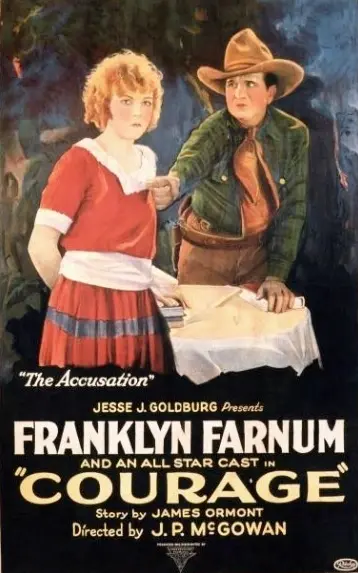
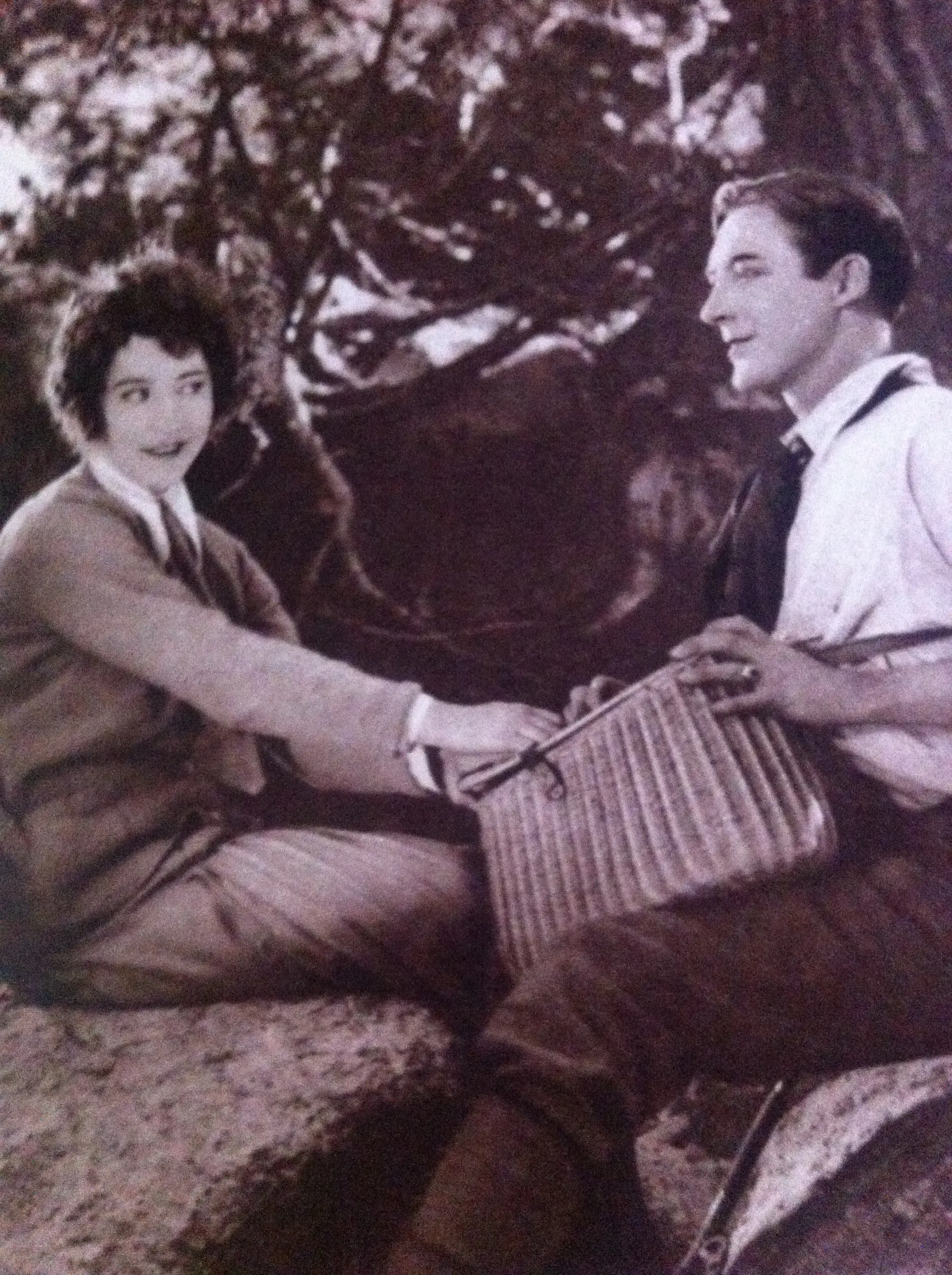
The film 'Courage' (1924), directed by a master of silent cinema, weaves a tapestry of intrigue, betrayal, and redemption. The story follows Allen Jennings, a man driven by a deep-seated desire for justice after his father's untimely demise and the unjust seizure of his gold mine claim. The narrative begins with Jennings, now a seasoned and relentless man, seeking the killers responsible for his father's murder and the thieves who unjustly took his father's gold mine claim. His journey is marked by a series of confrontations and revelations that challenge his beliefs and test his resolve.
Allen's quest leads him to a remote ranch, where he is unexpectedly hired to evict neighboring ranchers, Grace and Tom Henden, who are the children of Jim Henden. Unbeknownst to Allen, Henden and the rancher he is working for, John Sanderson, were once partners who conspired to jump Allen's father's claim. This revelation complicates Jennings' mission, as the truth begins to unravel like a tangled ball of yarn, revealing layers of deceit and hidden motives.
As Allen delves deeper into the mystery, the plot thickens. John Sanderson, who is actually a man named John Jasper, kidnaps Grace and Tom, leading Jennings on a wild chase through the rugged landscapes of the West. The kidnapping serves as a catalyst, propelling the narrative towards its climax. The tension builds as Jennings races against time to rescue the hostages and expose the truth.
Ultimately, Jennings' perseverance pays off. He manages to outwit Jasper and, in a climactic confrontation, shoots him. The mine claim is reinstated to Jennings, and he finally achieves the justice he sought. This resolution provides a sense of closure, but also leaves the audience with a lingering question about the moral implications of Jennings' actions and the nature of revenge.
Franklyn Farnum delivers a compelling performance as Allen Jennings, portraying a man who is both driven and conflicted. His portrayal captures the essence of a man who has been shaped by tragedy and is now on a mission to right the wrongs of the past. Dorothy Wood and Fred DeSilva also stand out in their supporting roles, adding depth to the narrative.
The film's director, James Ormont, expertly balances the film's dramatic elements with a touch of gritty realism. The cinematography is particularly noteworthy, with panoramic shots of the rugged wilderness providing a stark contrast to the tense, claustrophobic interiors. The score, while not as prominent as in modern films, contributes to the overall atmosphere, enhancing the emotional impact of key scenes.
'Courage' can be compared to other films of its era, such as 'Soldiers of Fortune' (1924) and 'Flying Colors' (1924), which also explore themes of justice, betrayal, and the pursuit of fortune. However, 'Courage' distinguishes itself with its intricate plot and the moral dilemmas it presents.
Despite its age, 'Courage' remains a compelling piece of cinema. Its exploration of moral ambiguity and the complexities of human nature make it a must-watch for film enthusiasts and anyone interested in the golden age of silent cinema. While the pacing may feel slightly slower by modern standards, the film's narrative depth and the performances of the cast elevate it to a level of artistry that is both timeless and relevant.

IMDb —
1936
Community
Log in to comment.