DbcultAccessing Vault...
Cult Review
Senior Film Conservator
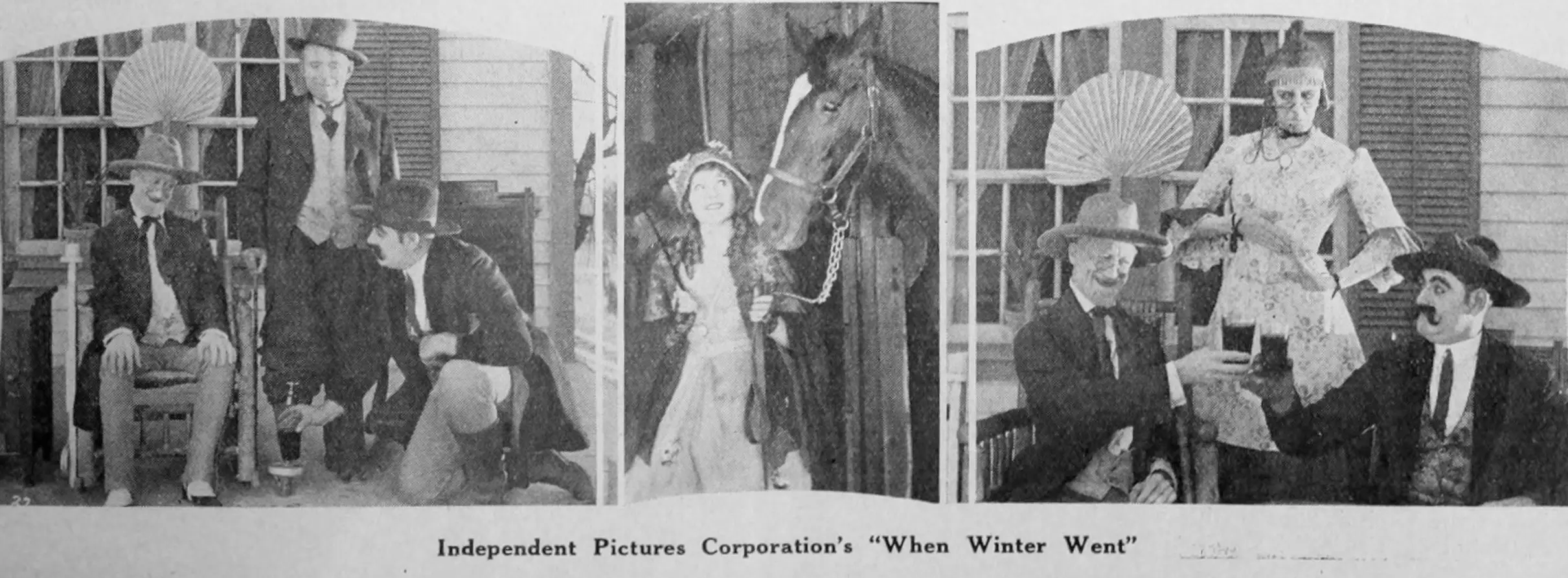
Is When Winter Went worth your time in an age dominated by high-octane digital spectacle? Short answer: yes, but primarily for those who find beauty in the precision of the 'Silk Hat' era of silent comedy. This film is a curated experience for the cinephile who enjoys seeing social rigidness dismantled by a man in a tuxedo.
This film is for the viewer who appreciates the subtle lift of an eyebrow over a custard pie to the face. It is decidedly NOT for those who find silent cinema’s deliberate pacing and theatrical staging to be an archaic barrier to enjoyment. If you require a fast-cut edit every three seconds, this will feel like watching ice melt—though, fittingly, that is part of the point.
1) This film works because Raymond Griffith’s deadpan elegance transforms a standard domestic farce into a rhythmic dance of social survival.
2) This film fails because the final act leans too heavily on repetitive physical gags that lack the sharp wit of the opening sequences.
3) You should watch it if you want to understand how 1920s cinema used clothing and class as the ultimate comedic weapons.
Yes, When Winter Went is a essential viewing for anyone studying the evolution of the sophisticated leading man. While many of his contemporaries relied on the 'tramp' or 'boy next door' archetypes, Griffith offered a glimpse into a more polished form of chaos. The film serves as a bridge between the rowdy slapstick of the early 1910s and the more refined feature-length comedies that would define the late silent era.
Raymond Griffith remains one of the most underrated figures in the history of the medium. In When Winter Went, his performance is a masterclass in economy. Unlike the athletic desperation of Buster Keaton or the sentimental gymnastics of Charlie Chaplin, Griffith operates with a terrifyingly calm efficiency. He doesn’t trip; he glides into disaster. There is a specific scene involving a misplaced hat that serves as a microcosm for his entire career. The way he adjusts his cuffs while his world literally falls apart around him is a piece of character work that feels surprisingly modern.
Compare this to his work in What's His Name, and you see a performer who was constantly refining the 'gentleman in trouble' trope. In When Winter Went, the stakes feel lower but the execution is sharper. He treats a social snub with the same gravity as a life-or-death chase. It works. But it’s flawed by a script that doesn’t always know how to keep up with his pace.
Charlotte Merriam is often relegated to the 'supporting wife' role in discussions of this era, but here she provides the necessary friction that makes Griffith’s performance pop. While Griffith is the wind, Merriam is the mountain. Her ability to convey mounting frustration through micro-expressions is vital. In the scene where the dinner party begins to unravel, her silent stares carry more weight than many of the intertitles. She isn't just a prop; she is the grounded reality that makes Griffith’s absurdity meaningful.
Her role here is a fascinating contrast to the more heightened performances found in The Tiger Woman or the dramatic weight of Daughter of the Night. Merriam understands that in a short comedy, the 'straight' character must be just as compelling as the clown. Without her mounting dread, the film would float away into pure nonsense. She keeps it tethered to the ground.
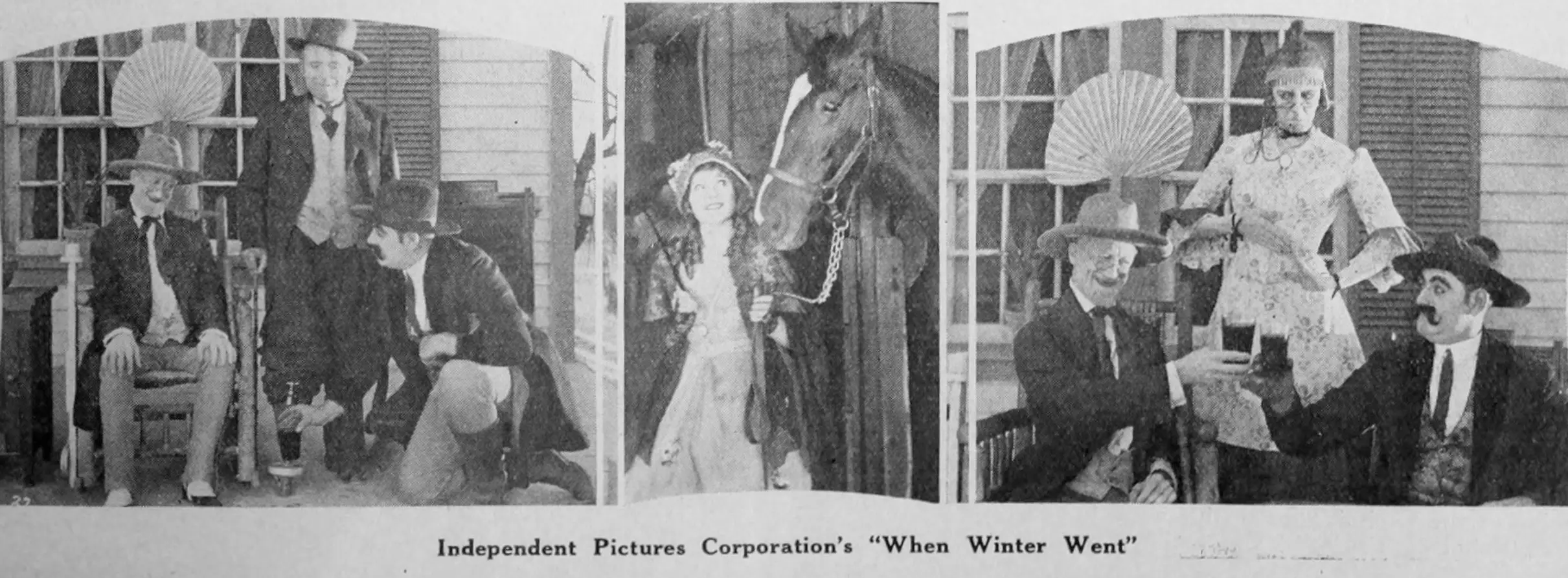
Technically, When Winter Went is a product of its time, but it shows a level of polish that was becoming standard at the mid-point of the decade. The cinematography is static, yes, but the composition within the frame is dense. The use of 'winter' as a thematic element is handled with surprising nuance. The interiors feel cold and cavernous, reflecting the emotional distance between the characters before the comedic 'thaw' begins.
When compared to the frantic energy of Day Dreams, this film feels much more controlled. It lacks the surrealist edges of Keaton, opting instead for a grounded realism that makes the eventual slapstick feel more earned. The lighting on Merriam’s close-ups is particularly noteworthy, utilizing the soft-focus techniques that would become a staple in films like Forever.
The film’s biggest hurdle is its middle section. There is a point where the misunderstandings become so layered that the narrative starts to trip over its own feet. This was a common issue in shorts of the era—trying to pack a feature’s worth of plot into a twenty-minute runtime. It lacks the breezy simplicity of My Hero! or the focused intensity of Speed Wild.
However, the film recovers in its final moments. The resolution isn't just a gag; it’s a release of the social tension that has been building since the first frame. It’s a reminder that silent comedy was often a pressure cooker. You watch for the explosion, but the joy is in the steam whistling before the lid flies off. Even in lesser-known works like Bab the Fixer, we see this struggle with pacing, yet When Winter Went manages to stay afloat through sheer charisma.
Pros:
The chemistry between Merriam and Griffith is palpable and grounded. The film avoids the 'mugging for the camera' that plagues many of its contemporaries like Yankee Doodle in Berlin. The set design is evocative and serves the 'winter' theme effectively.
Cons:
The intertitles are occasionally too wordy, explaining jokes that the actors have already landed physically. The ending feels slightly rushed, a symptom of the era's rigid short-film formats seen in works like Wisp o' the Woods.
When Winter Went is not a masterpiece, but it is a vital artifact. It represents a specific moment in cinematic history where comedy was moving toward the sophisticated and the suburban. It lacks the grand scale of The Ancient Highway or the patriotic fervor of The Fighting American, but it succeeds in its small-scale ambitions. Griffith remains a joy to watch, a man whose silence is louder than the dialogue of many modern stars. It’s a film that asks you to pay attention to the small things—the tilt of a hat, the hesitation before a handshake, the way a coat is buttoned. In those details, the film finds its heart. It’s a chilly start with a warm finish. It works. But it’s flawed. And in that flaw, it feels human.
IMDb 2.1
1909
Community
Log in to comment.