DbcultAccessing Vault...
6/10
Senior Film Conservator
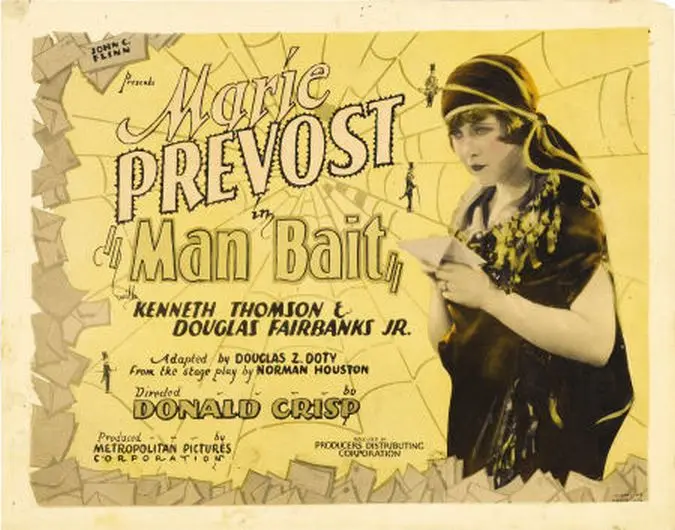
A definitive 6/10 rating for a film that redefined the boundaries of cult cinema. Man Bait remains a cornerstone of transgressive art.
Is “Man Bait” a cinematic relic best left to film historians, or does it still possess a compelling spark for modern audiences? Short answer: yes, it holds a fascinating, albeit uneven, charm, especially for those interested in early cinematic social commentary. This film is absolutely worth watching for enthusiasts of 1920s cinema, early melodramas, and stories that explore class divides with a raw, unpolished edge. However, if you seek polished narratives, rapid pacing, or nuanced character arcs typical of later eras, “Man Bait” might test your patience.
This film works because it offers an authentic, if sometimes heavy-handed, glimpse into the societal anxieties and moral quandaries of its time, anchored by a surprisingly compelling lead performance. This film fails because its narrative structure can feel episodic, and some supporting characters are woefully underdeveloped, reducing their impact on the central conflict. You should watch it if you appreciate the historical context of silent films, enjoy character studies of resilient women, and don't mind a slower, more deliberate storytelling approach.
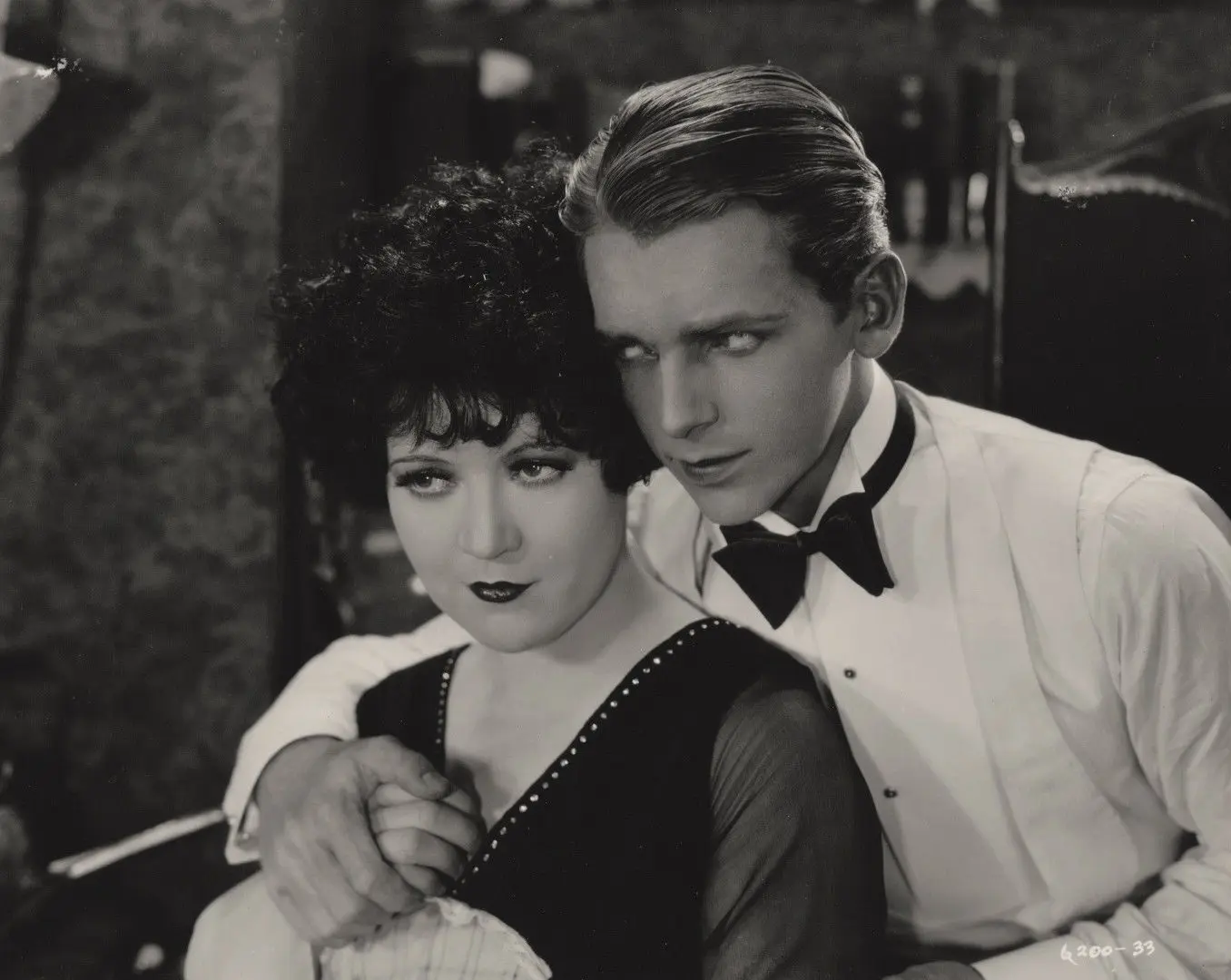
Madge Dreyer, as portrayed by Adda Gleason, is the beating heart of “Man Bait.” She is not merely a victim of circumstance but a product of her environment, possessing a street-wise pragmatism that often borders on defiance. Her initial interaction with her boss, which leads to her dismissal, isn't played for pure sympathy; instead, it highlights a woman who refuses to be intimidated, even when it costs her stability.
Gleason imbues Madge with a quiet strength, a subtle glint in her eye that suggests a mind always calculating, always adapting. This is particularly evident in the taxi-dance hall scenes. She doesn't revel in her new profession but accepts it as a means to an end, maintaining a dignified distance even as she navigates the insistent advances of her patrons. Her performance anchors the film, preventing it from devolving into mere melodrama, offering a proto-feminist sensibility that was perhaps ahead of its time.
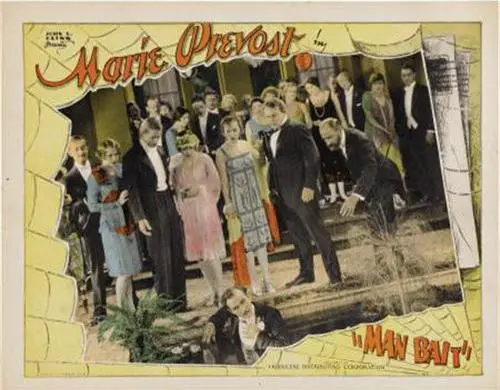
I'd even argue that Gleason's portrayal is the single most compelling reason to seek this film out, her understated rebellion a stark contrast to the more theatrical performances often seen in silent cinema. It’s a surprisingly modern turn for an actress of the era, suggesting a depth rarely afforded to such “fallen” women characters. Her initial interaction with her boss isn't just a simple defiance; it's a calculated response born from a history of dealing with predatory figures.
Gleason doesn't rely on grand gestures; instead, a subtle shift in her posture, a fleeting, almost imperceptible hardening of her gaze, communicates a lifetime of self-preservation. When she moves to the taxi-dance hall, her interaction with the male clientele is a masterclass in controlled engagement. She dances, she smiles, but there's always a barrier, a professional distance that keeps her distinct from the more desperate or vulnerable women around her. This isn't just about survival; it's about maintaining an inner dignity in circumstances designed to strip it away. This quiet resilience is what makes her arc so compelling, and what makes Gleason's work here genuinely memorable.
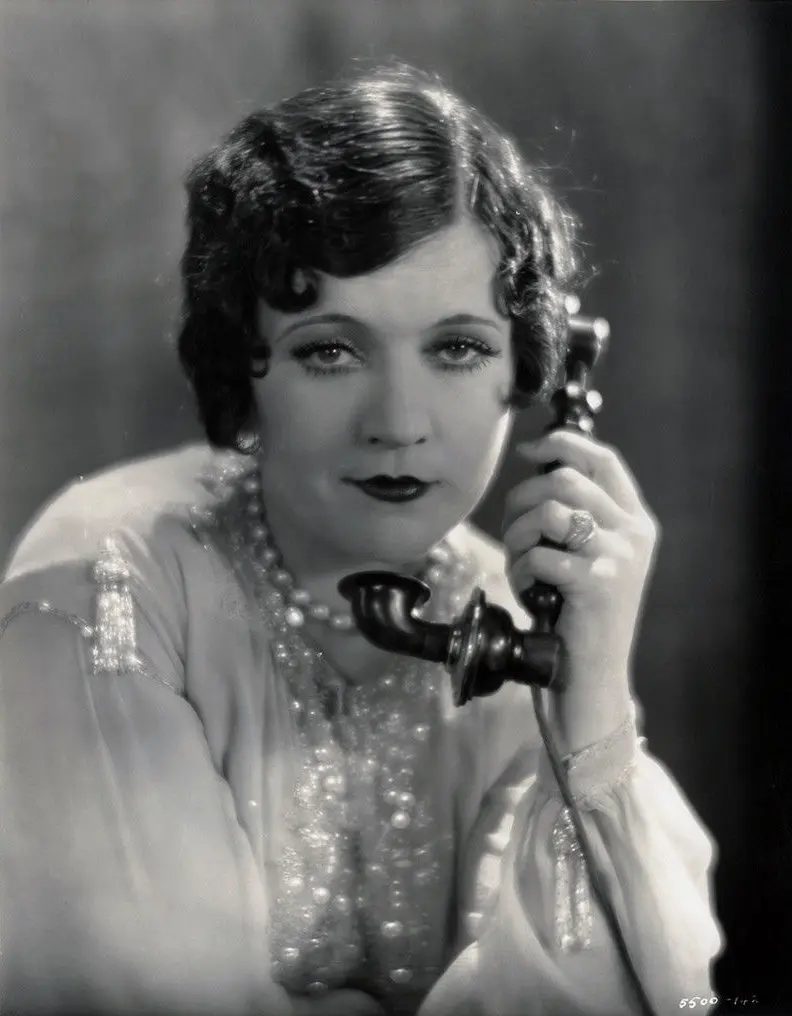
Douglas Fairbanks Jr. steps into the role of Jeff Sanford with an earnest charm that perfectly contrasts Madge's world-weariness. Jeff is the quintessential rich playboy, but Fairbanks Jr. manages to inject him with a sincerity that makes his love for Madge believable, rather than merely a fleeting infatuation. The film skillfully illustrates the chasm between their worlds, not just through dialogue or setting, but through their very body language.
Jeff's initial naivety about Madge’s life is palpable, yet his conviction grows, signifying a genuine emotional arc. The societal pressure he faces from his parents, though largely off-screen in the provided plot, is the looming antagonist, an invisible bond that threatens to sever their burgeoning romance. The direction here is effective in showing the subtle ways class dictates interaction. Consider, for instance, the contrast between the vibrant, if somewhat desperate, energy of the dance hall and the implied rigid decorum of Jeff's family home.
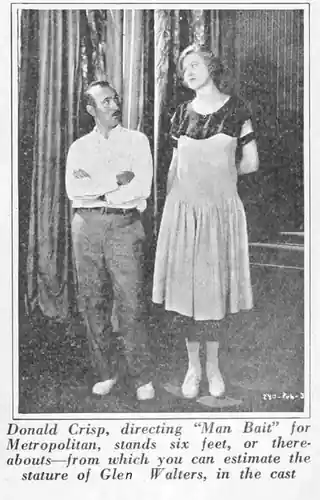
This isn't just a story of individuals, but a commentary on the suffocating expectations placed upon the wealthy, and the struggle to break free. It’s a narrative thread that feels remarkably similar to the class struggles explored in films like The Salvation Hunters, albeit with a more romantic focus. Fairbanks Jr.'s Jeff isn't simply a handsome face; he embodies the struggle of a generation caught between tradition and modern desires. His initial attraction to Madge feels genuine, not just a passing fancy.
The film subtly shows how Madge's world, so alien to his own, both repels and fascinates him. His efforts to bridge this gap, to understand her reality, are conveyed through his increasingly earnest expressions and gestures. The unspoken pressure from his aristocratic parents, though never explicitly shown in confrontational scenes, forms a palpable undercurrent. One can almost feel the weight of expectation on his shoulders, the societal whispers about “suitable matches.” This tension is a central pillar of the film's dramatic structure, highlighting the societal barriers that love often faced in the 1920s. His decision to pursue Madge is, in itself, an act of rebellion, demonstrating a nascent desire for individual happiness over inherited status.
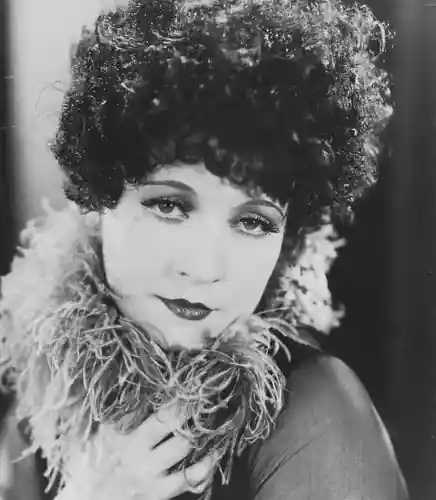
“Man Bait” serves as a fascinating, if sometimes rudimentary, visual document of its era. The transition from the bustling, anonymous environment of the department store to the dim, somewhat seedy intimacy of the taxi-dance hall is handled with a stark simplicity that highlights Madge's downward mobility. Cinematographically, the film doesn't boast groundbreaking techniques, but it effectively uses light and shadow to establish mood.
The dance hall, in particular, is often shrouded in a soft, hazy glow, creating an atmosphere that is both alluring and slightly melancholic, a subtle nod to the transient nature of the relationships formed within its walls. Pacing is deliberate, allowing scenes to unfold with a natural rhythm, though modern viewers might find it slow. The tone shifts from the indignity of Madge's dismissal to the budding hope of her romance with Jeff, all against a backdrop that feels authentically 1920s. The film captures the spirit of an age grappling with changing social norms, where traditional morality clashed with burgeoning freedoms. While not as opulent as, say, The Desired Woman, its settings feel lived-in, grounding the melodrama in a tangible reality.
The visual storytelling in “Man Bait” is understated but effective. The department store sequence, for instance, uses tight framing and a sense of bustling anonymity to establish Madge's initial existence – just one face among many, easily replaceable. The contrast with the taxi-dance hall is striking: here, the space is more confined, the lighting softer, almost seductive, yet also tinged with a sense of melancholy. The director masterfully employs shadows to hint at the moral ambiguities of the locale, creating an atmosphere that is both alluring and potentially dangerous.
The costumes, though simple, speak volumes about class and aspiration. Madge's plain but neat salesgirl uniform gives way to the slightly more flamboyant, yet still modest, attire of a taxi-dancer, subtly reflecting her changing circumstances. The use of extras in both settings adds to the authenticity, creating believable backdrops for the central drama. While not employing the elaborate tracking shots or complex compositions of later eras, the film's visual grammar is clear and purposeful, always serving the narrative and character development. It's a testament to how much could be conveyed with relatively simple means in early cinema, crafting an immersive experience without relying on overt spectacle.
The screenplay by Douglas Z. Doty and Norman Houston, while adhering to many melodramatic conventions, possesses moments of surprising insight. The character of Madge, for example, is written with an internal resilience that elevates her beyond a mere damsel in distress. The dialogue, though absent in a silent film, is conveyed through intertitles that are generally concise and impactful,
IMDb 6.7
1932
Community
Log in to comment.