DbcultAccessing Vault...
Cult Review
Senior Film Conservator
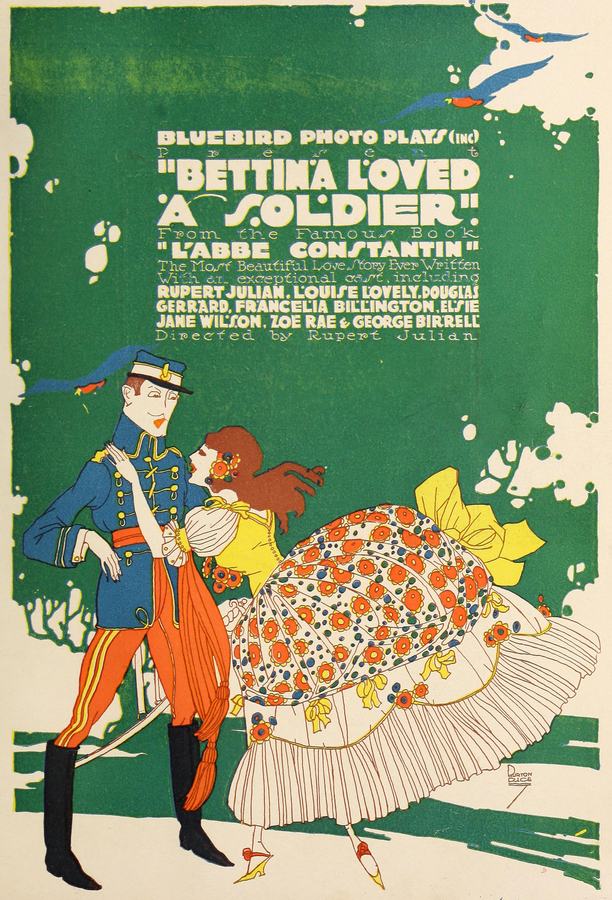
Stepping into the world of Bettina Loved a Soldier is like unearthing a forgotten treasure from the silent era, a cinematic artifact that, despite its age, still pulsates with a very human heart. This 19th-century French romance, rich in its exploration of societal strictures, personal honor, and the sometimes-perilous pursuit of authentic affection, offers more than just a glimpse into a bygone era of filmmaking; it provides a resonant commentary on themes that remain remarkably evergreen. The narrative, penned by the insightful Ludovic Halévy and adapted for the screen by Elliott J. Clawson, gracefully navigates the intricate dance between wealth and worth, a perennial conflict that finds particular poignancy in the rigid social hierarchies of its setting.
At the core of this compelling drama is Bettina, a young woman of considerable fortune whose very existence is a magnet for a legion of opportunistic suitors. In the hands of Zoe Rae, Bettina is not merely a passive recipient of unwanted attention but a character imbued with a keen intellect and a world-weary skepticism. Her portrayal transcends the typical damsel-in-distress trope, revealing a woman acutely aware of the transactional nature of most relationships presented to her. Rae's nuanced expressions, a hallmark of silent film acting, convey Bettina's frustration and longing for a connection that transcends the material, a desire for someone to see *her*, not her ledger. This depth makes her eventual transformation from the pursued to the pursuer all the more captivating.
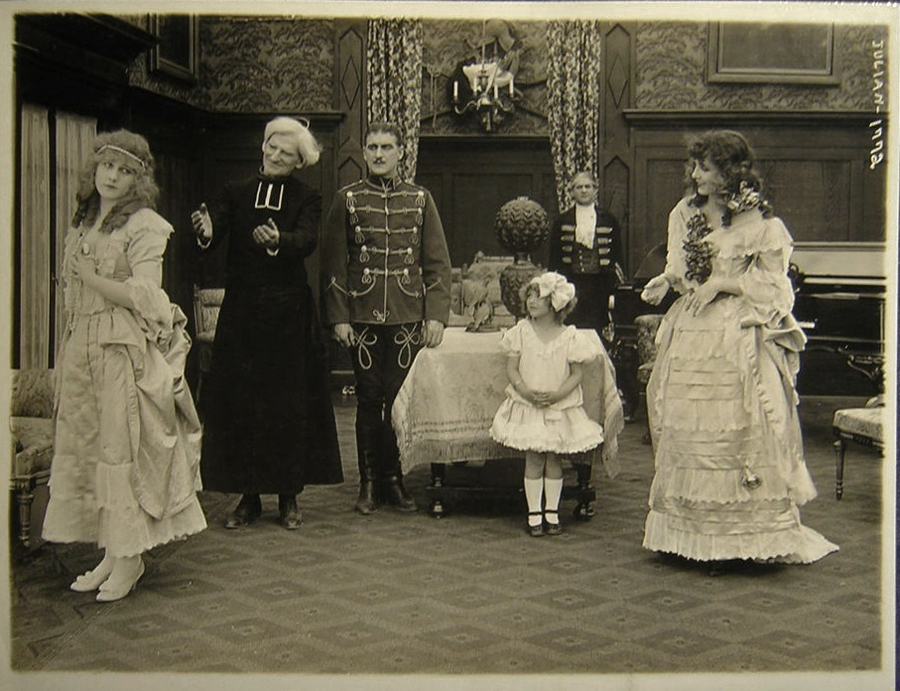
The parade of unsuitable gentlemen Bettina fends off serves as an effective backdrop, highlighting the societal pressures placed upon women of means during this period. Each rejection solidifies her conviction that genuine affection is a rare commodity, one not easily found amidst the glitter of inherited wealth. It's a predicament that, even today, resonates with anyone who has felt the shadow of their circumstances loom larger than their true self in the eyes of others. The film masterfully sets up this initial conflict, making Bettina's eventual encounter with Lieutenant Jean Reynaud feel like a breath of fresh air, a genuine possibility in a landscape of calculated intentions.
Enter Lieutenant Reynaud, brought to life by the earnest performance of George Berrell. Berrell imbues Reynaud with an almost palpable sense of honor and a refreshing lack of artifice. His initial attraction to Bettina is pure, unburdened by any knowledge of her vast fortune. This innocence is crucial to the film's central conflict, establishing Reynaud as a man of principle rather than opportunism. The chemistry between Rae and Berrell, though conveyed through the often grand gestures of silent cinema, feels authentic, building a foundation of mutual admiration that makes their later struggles all the more poignant. Reynaud's character arc, particularly his internal battle between love and honor, is exquisitely rendered, showcasing the period's emphasis on personal integrity above all else.
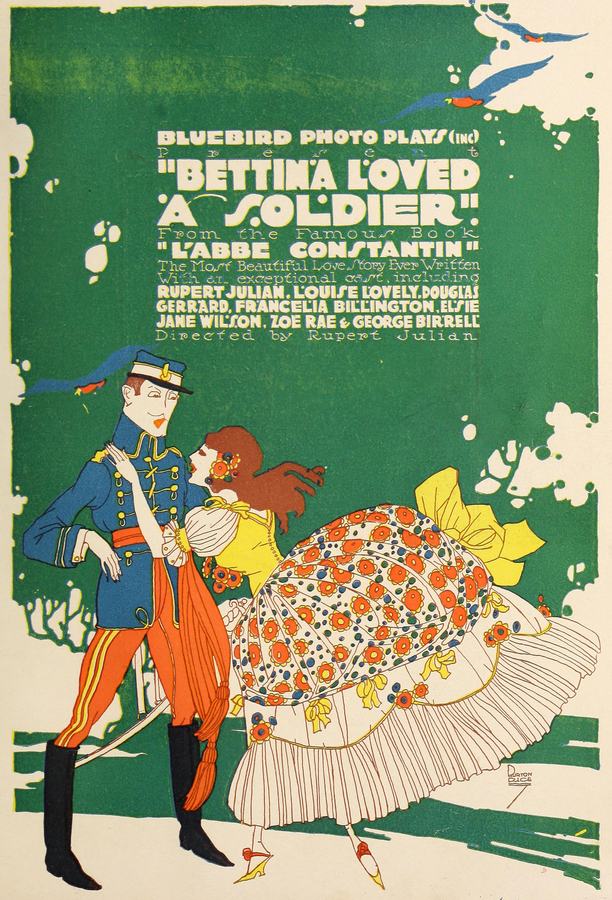
The pivotal moment arrives when Reynaud discovers the true extent of Bettina's wealth. His reaction is not one of elation, but of profound despair. This is where the film truly shines, delving into the intricacies of male pride and societal expectations. Reynaud's fear of being perceived as a 'gold-digger' is not merely a superficial concern; it strikes at the very core of his identity and his hard-won military honor. His decision to push Bettina away, despite his deep affection for her, is a testament to the suffocating grip of social standing and reputation in 19th-century France. This internal conflict, beautifully articulated through Berrell's expressive acting, evokes a universal sympathy, reminding us of the sacrifices people make for their perceived self-worth. One might draw a parallel to the moral dilemmas explored in films like The Honor of Mary Blake, where characters grapple with societal judgment and personal integrity, though Bettina Loved a Soldier approaches it from the unique angle of a man's fear of being seen as less honorable due to his love interest's superior financial standing.
What truly elevates Bettina Loved a Soldier beyond a simple romance is Bettina's audacious response to Reynaud's rejection. Instead of retreating into despair or accepting her fate, she takes matters into her own hands, flipping the traditional gender roles of courtship on their head. This inversion of roles is a remarkably progressive element for a film of its time, showcasing Bettina's strength, determination, and refusal to be dictated by societal norms. Her pursuit of Reynaud is not desperate; it is resolute, driven by a conviction that their love is worth fighting for, even if it means challenging the very fabric of social decorum. This active agency makes Bettina a compelling and surprisingly modern heroine, a woman who understands that true love sometimes requires breaking free from the shackles of expectation.
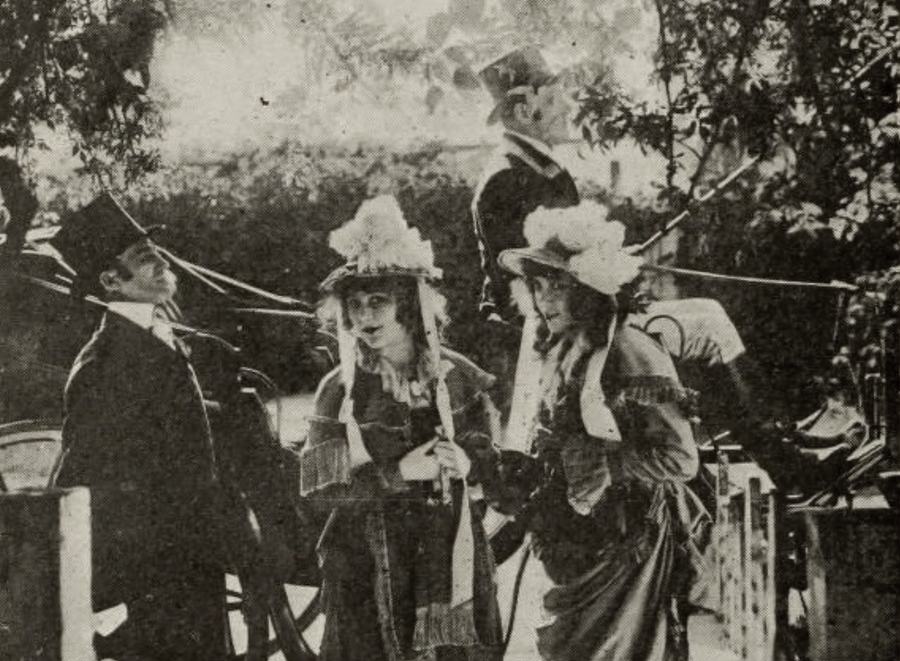
The direction, likely overseen by a collaborative effort given the era's filmmaking practices, manages to maintain a steady pace, allowing the emotional beats to land effectively. The mise-en-scène, while perhaps not as elaborate as later productions, still manages to convey the grandeur of Bettina's world and the more austere reality of Reynaud's. The use of intertitles, a necessity of the silent film era, is judicious, enhancing the narrative without bogging down the visual storytelling. The performances from the supporting cast, including Rupert Julian, Douglas Gerrard, Francelia Billington, Elsie Jane Wilson, and Louise Lovely, while often brief, contribute to the vibrant tapestry of 19th-century French society, populating the world with distinct personalities that reinforce the central couple's isolation and unique bond.
The film’s exploration of honor is multifaceted. For Reynaud, honor is a burden, a social construct that threatens to deny him personal happiness. For Bettina, honor takes on a different form—the honor of fighting for what she believes in, the integrity of her feelings, and the courage to defy convention. This dual perspective enriches the narrative, transforming a simple love story into a thoughtful meditation on the subjective nature of virtue. In a way, it echoes the internal struggles seen in films where characters are caught between duty and desire, though with a particular emphasis on the social ramifications of wealth disparities. One might even compare the character's internal struggle with those found in His Turning Point, where personal ethics are tested by unforeseen circumstances, albeit with a romantic rather than moralistic core in Bettina Loved a Soldier.
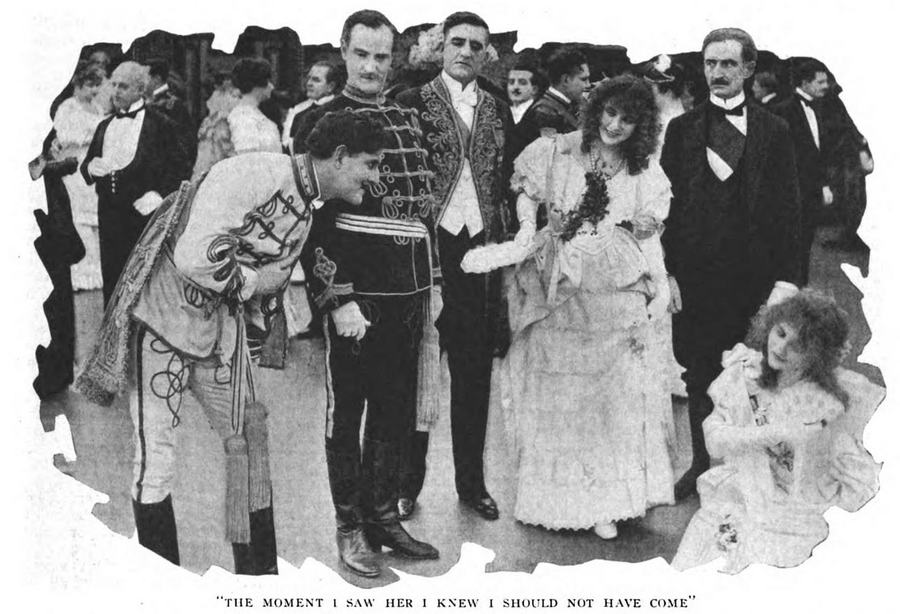
Beyond its central romance, Bettina Loved a Soldier offers a fascinating sociological snapshot. It inadvertently highlights the economic realities of the time, where a military career, while respected, did not guarantee financial security, especially when compared to the inherited fortunes of the aristocracy. This economic disparity is not just a plot device; it's a fundamental force shaping the characters' choices and dilemmas. The film subtly critiques the superficiality of a society that values inherited wealth over genuine character, a theme that resonates through many historical dramas. It’s a powerful reminder that while the trappings of society change, the fundamental human desires for love, respect, and authenticity remain constant.
The lasting appeal of Bettina Loved a Soldier lies in its ability to transcend its era. While the visual language and acting styles are unmistakably products of the silent film age, the emotional core of the story is universal. The struggle to find love across social divides, the battle between pride and passion, and the courage to pursue happiness against all odds are timeless narratives. This film, though a century old, speaks volumes about the enduring human spirit and the often-complex pathways to true connection. It reminds us that sometimes, the greatest acts of love are not grand declarations but quiet, determined acts of defiance against the very forces that seek to keep us apart.
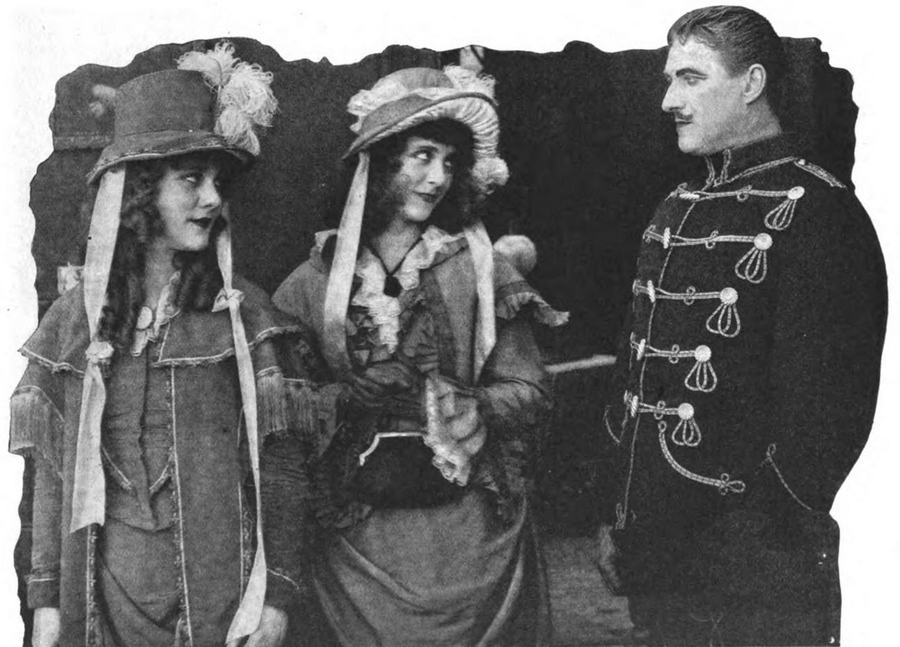
In an age saturated with digital spectacles, revisiting a film like Bettina Loved a Soldier serves as a refreshing reminder of cinema's foundational power: its ability to tell a compelling story with depth, emotion, and visual elegance. It's a testament to the artistry of early filmmakers who, with limited technology, managed to craft narratives that continue to resonate and captivate. For anyone with an appreciation for classic cinema, historical romance, or simply a well-told story about the triumph of love and character over societal constraints, this film is an essential viewing experience. It's a poignant exploration of how love, when truly felt, can dismantle the most formidable barriers, proving that genuine connection is priceless, regardless of the era or the societal ledger.
The film's quiet revolutionary spirit, embodied in Bettina’s unwavering pursuit, makes it stand out. It’s not just a love story; it’s a subtle commentary on female agency and the subversion of patriarchal expectations. The fact that a film from this period dared to show a woman actively pursuing her desired partner, overcoming his pride and societal pressures, speaks volumes about its underlying progressive leanings. It’s a narrative that perhaps foreshadowed the changing roles of women in the decades to come, even if subtly. This makes Bettina Loved a Soldier not just a relic, but a vibrant piece of cinematic history that continues to offer rich insights into human nature and the timeless quest for love and acceptance. The performances, particularly from Zoe Rae and George Berrell, anchor this exploration, making their characters' emotional journeys feel deeply personal and universally relatable. It’s a film that leaves you pondering the true cost of honor and the immeasurable value of a love that withstands external pressures. A truly captivating watch for those who appreciate the delicate craft of storytelling from cinema's nascent years.
IMDb —
1924
Community
Log in to comment.