DbcultAccessing Vault...
Cult Review
Senior Film Conservator
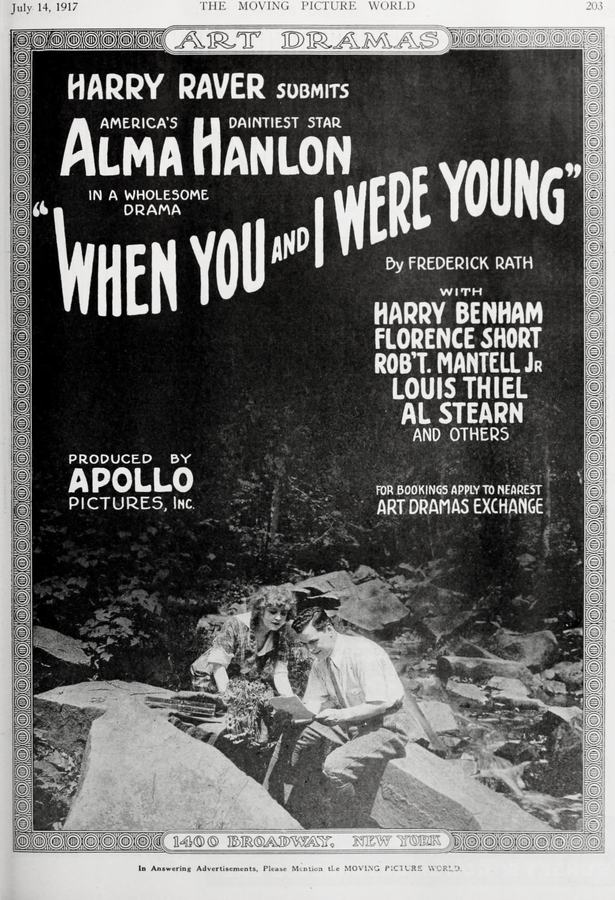
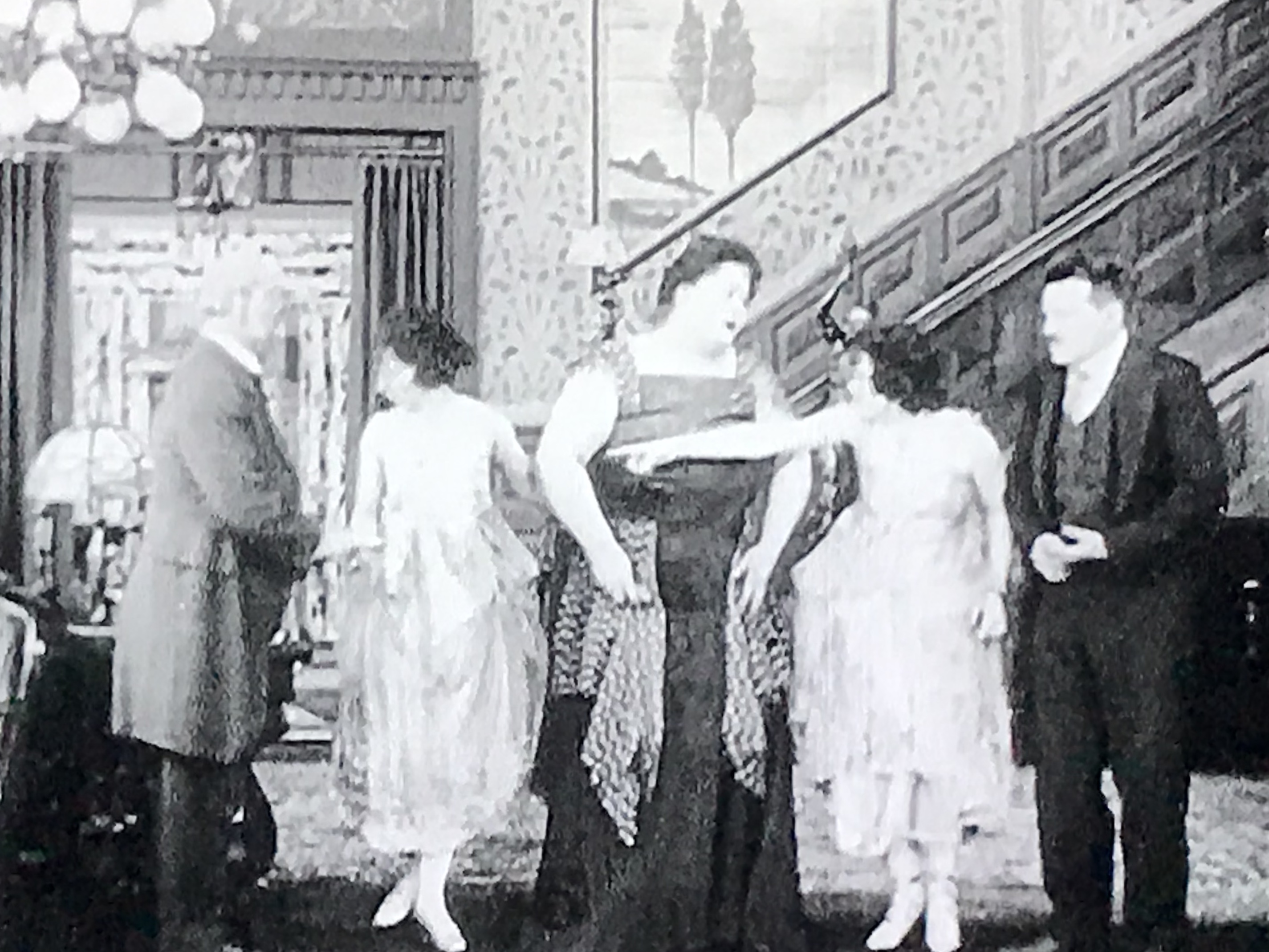
Step back into an era when stories unfolded not through dialogue, but through the eloquent language of gesture, expression, and exquisitely crafted visual narratives. Fred Rath’s When You and I Were Young, a cinematic gem from the silent era, transcends its historical context to deliver a compelling exploration of ambition, familial estrangement, and the redemptive power of creative expression. It’s a film that resonates with a timeless quality, speaking to anyone who has ever wrestled with the tension between personal dreams and societal expectations, or the often-turbulent dynamics within a family unit. This isn't just a historical artifact; it's a vibrant, emotionally charged drama that feels remarkably contemporary in its thematic depth.
At its heart is Dorothy Miller, portrayed with a delicate yet determined grace by Florence Short. Dorothy is a farm girl, yes, but her spirit yearns for something beyond the agrarian rhythms of her existence. Her hands, though accustomed to the soil, ache to hold a pen, to forge worlds from words. This aspiration, however, clashes violently with the entrenched beliefs of her father, a man embodying the patriarchal conservatism of his time. For him, a woman’s place is unambiguously within the domestic sphere, her contributions measured by the hearth and home, not by the intellectual pursuits of a writer. This initial conflict sets a poignant tone, highlighting the profound societal barriers faced by women daring to dream beyond prescribed roles. Short's portrayal brilliantly captures this internal struggle, her eyes conveying volumes of unspoken longing and quiet defiance.
The narrative truly ignites with the arrival of a young artist, played by Louis Thiel, a wanderer drawn to the countryside's serene beauty for his landscape canvases. Their encounter is less a collision and more a harmonious convergence of kindred spirits. He sees in Dorothy not just a pretty face, but a nascent creative soul, urging her to shed the shackles of her rural confines and embrace the vibrant possibilities of the city. This invitation is a pivotal moment, a clarion call to self-actualization. Dorothy's decision to leave her familiar world, to defy paternal decree and venture into the unknown urban sprawl, is an act of profound courage. It's a testament to the irresistible pull of one's true calling, a theme that echoes in countless narratives of personal liberation. One might even draw a parallel to the daring escape depicted in Escaped from Siberia, albeit with a psychological rather than physical imprisonment. The artist, in his own way, is also an exile, alienated from his family by his chosen path.
The city, with its pulsating energy and anonymity, becomes Dorothy’s crucible. Here, amidst the bohemian bustle of the Latin Quarter, she finds her tribe – a settlement of artists, poets, and dreamers, each striving to etch their mark upon the world. It’s in this fertile ground that her relationship with the artist blossoms into a deep, collaborative love. Their connection is not merely romantic; it’s a creative symbiosis. He inspires her, and she, in turn, fuels his artistic vision. This period marks a transformative phase for Dorothy, as her raw experiences and observations coalesce into a powerful narrative. She begins to write the story of her own journey, a chronicle of ambition, sacrifice, and newfound freedom. The film masterfully conveys the intoxicating allure of this artistic commune, a haven where unconventional paths are celebrated, not condemned. It’s a stark contrast to the stifling environment she left behind, highlighting the profound impact of environment on creative flourishing. The visual storytelling, through Rath's direction, paints this contrast vividly, moving from the quiet, expansive fields to the bustling, intimate corners of the city.
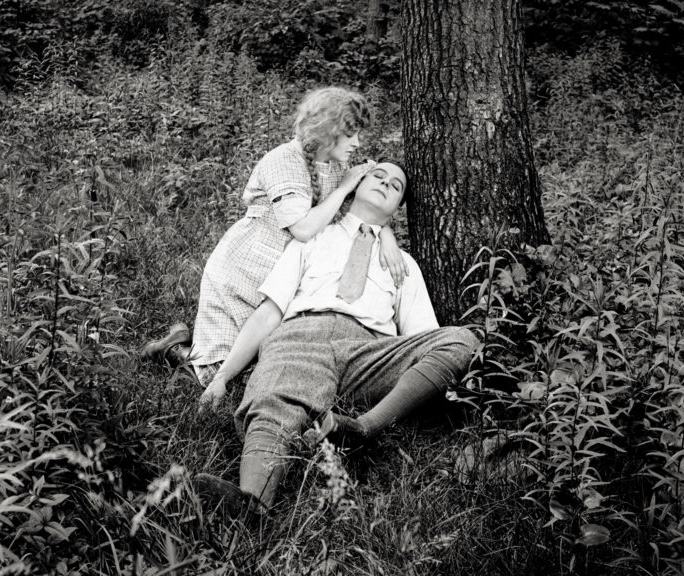
The turning point arrives with the acceptance of Dorothy's book by a prominent publishing house. This achievement is significant enough, but its true dramatic weight is revealed when the head of this very publishing house is none other than the artist's own father, Louis Stern. This revelation introduces a layer of profound irony and dramatic tension. The father, estranged from his son due to his disapproval of an artistic career – a path he likely viewed as frivolous or unstable – is now unknowingly holding the tangible proof of his son’s talent, interwoven with the words of the woman he loves. This narrative twist is a stroke of genius by writer Fred Rath, creating a powerful mechanism for reconciliation. It underscores the film's central thesis: art, in its purest form, possesses an unparalleled ability to bridge divides and foster understanding.
As both fathers independently read Dorothy's book, a profound shift occurs within them. The artist’s father, confronted by the beauty of his son’s illustrations and the compelling narrative that speaks of his son’s passions and struggles, begins to see beyond his preconceived notions. His son’s choice, once a source of bitter disappointment, is now revealed as a legitimate, even noble, pursuit. Similarly, back on the farm, Dorothy’s father, reading his daughter’s published work, is forced to confront the depth of her ambition and the courage of her convictions. The book becomes a mirror, reflecting not just Dorothy’s experiences, but also the fathers’ own rigidities and the emotional distance they had inadvertently created. This dual epiphany is handled with remarkable sensitivity, demonstrating how art can serve as a conduit for empathy, allowing individuals to step into another's shoes and comprehend their motivations. This theme of understanding across generational divides is a powerful, universal one. One could even compare the stubborn parental pride and the eventual softening to the thematic arc found in The Lady of Lyons; or, Love and Pride, where initial judgments and social standings are eventually overcome by deeper human connection.
The performances in When You and I Were Young are a masterclass in silent film acting. Florence Short imbues Dorothy with a compelling blend of vulnerability and steeliness, making her journey incredibly relatable. Louis Thiel, as the artist, projects an earnest passion that makes his character instantly likable and his artistic integrity believable. The supporting cast, including Louis Stern and Emma Tansey, deliver nuanced performances that flesh out the familial conflicts without resorting to caricature. It's a testament to their skill that such complex emotional landscapes are conveyed purely through facial expressions, body language, and carefully orchestrated gestures. Fred Rath's direction is precise and evocative, utilizing visual metaphors and clever framing to tell a story rich in emotional texture. The cinematography, though simple by modern standards, effectively contrasts the rustic charm of the countryside with the dynamic energy of the urban setting, guiding the viewer's eye and emotion with subtle grace. The pacing is deliberate, allowing moments of contemplation and dramatic weight to fully land, a characteristic often found in the more thoughtful silent features, distinguishing them from mere spectacles.
The film's exploration of artistic struggle is particularly poignant. The artist's estrangement from his family over his chosen career path is a familiar narrative, one that resonates with countless creatives who have faced skepticism or outright disapproval. Dorothy’s struggle to find her voice and her place in the world is equally powerful. The film suggests that true artistic fulfillment often requires a leap of faith, a willingness to challenge the status quo, and the courage to forge one’s own destiny, even if it means leaving comfort behind. The Latin Quarter, a historical hub for such endeavors, is portrayed not just as a location, but as a crucible for transformation. This spirit of independent pursuit, battling against the odds, is a thread that runs through many compelling narratives, perhaps even touching upon the relentless drive seen in the pursuit of justice or truth, albeit in a different context, like the intricate plots of Graft, where ambition and consequence are constantly at play.
Ultimately, When You and I Were Young is a triumph of empathetic storytelling. It champions the individual’s right to self-expression and the profound capacity of art to heal, to educate, and to reconcile. The ending, with its dual familial reconciliations, is deeply satisfying, not because it’s a simple 'happily ever after,' but because it represents a hard-won understanding, a bridge built between estranged hearts through the shared experience of a narrative. It's a powerful reminder that sometimes, the most effective way to communicate our deepest truths, to make others understand our choices and our passions, is through the universal language of creative work. Fred Rath’s vision, brought to life by a dedicated cast including Alma Hanlon, Harry Benham, and Robert B. Mantell Jr., remains a compelling watch, proving that even without a spoken word, a film can speak volumes to the human condition. It’s an essential piece for anyone interested in the evolution of cinema, or simply in a beautifully told story that celebrates the enduring power of dreams and the unbreakable bonds of family, however strained they may become. Its themes are as relevant today as they were in its original release, a testament to its enduring artistry and insight into the human heart.
IMDb 6.2
1934
Community
Log in to comment.