DbcultAccessing Vault...
6.8/10
Senior Film Conservator
A definitive 6.8/10 rating for a film that redefined the boundaries of cult cinema. Where the North Begins remains a cornerstone of transgressive art.
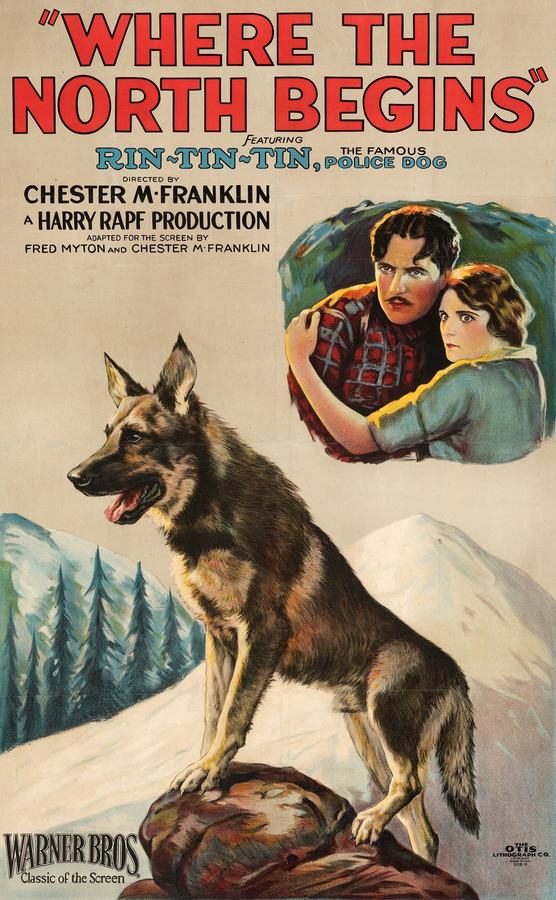
When Where the North Begins opens, the camera lingers on an endless white horizon, the wind howling like a chorus of ancient spirits. The opening tableau is not merely a backdrop; it is a character in its own right, shaping the destiny of a tiny German Shepherd pup who, after being cast adrift by an unforgiving storm, is rescued by a wolf pack. This premise—part myth, part animal‑heroic fable—immediately signals a narrative that will oscillate between the savage and the tender.
The pack's alpha, a stoic gray wolf portrayed with a haunting intensity, assumes the role of both mentor and patriarch. Through a series of meticulously staged sequences, director Chester M. Franklin captures the pack's hierarchy without a single spoken word. The pup learns to stalk silently across snow‑crusted tundra, to read the subtle shifts in wind that signal prey, and to recognize the unspoken etiquette of pack life. These lessons are conveyed through close‑ups of snout‑to‑snout contact, the glint of icy breath, and the rhythmic cadence of synchronized howls—a visual symphony that underscores the film’s reverence for nature’s raw order.
Enter Jonas (Fred Huntley), a weather‑beaten fur trapper whose arrival injects a jarring human element into the wilderness tableau. His confrontation with the pack is not a clash of arms but a collision of worlds. When an ice floe collapses, sending him plummeting into a frigid abyss, it is the wolf‑raised dog—now a lithe, silver‑haired guardian—that lunges into the water, dragging the man onto a precarious ledge. This rescue scene, shot with a kinetic camera that circles the struggling pair, is a masterclass in tension. The dog's eyes, filled with a primal urgency, contrast starkly with Jonas's bewildered gratitude, establishing a bond that will drive the film’s emotional core.
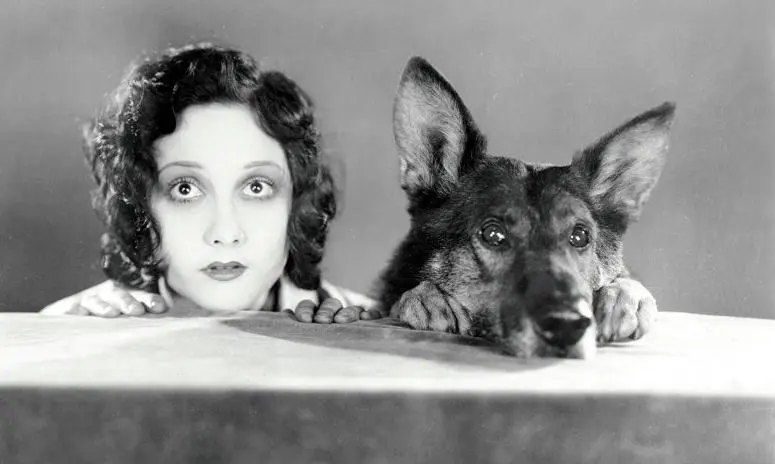
Jonas names the dog Rin Tin Tin—a moniker that would later become synonymous with canine stardom. Their ensuing relationship is a study in gradual acclimatization. Jonas teaches Rin Tin Tin to fetch, to respond to commands, and, most crucially, to trust human affection. The film deftly juxtaposes scenes of the dog leaping through snow with his pack, against intimate moments of him lying beside Jonas’s fire, ears perked to the crackle of flames. This dichotomy is underscored by the recurring motif of fire, a symbol of civilization that flickers in opposition to the cold, indifferent expanse outside.
At its heart, Where the North Begins interrogates the elasticity of loyalty. Is allegiance dictated by blood—or, in this case, by the shared scent of the pack? Or can it be reshaped by compassion and mutual reliance? The film refuses to offer a tidy answer; instead, it presents Rin Tin Tin’s internal conflict as a series of visual metaphors: a lone howl echoing across the tundra, a torn leash lying abandoned on ice, a wolf’s silhouette reflected in a frozen pond beside a human silhouette. These images invite viewers to contemplate the porous boundaries between the wild and the civilized.
Rin Tin Tin’s performance is, of course, the film’s linchpin. The canine star exhibits a startling range— from ferocious snarls during pack confrontations to plaintive whines when torn between worlds. Claire Adams (as the compassionate daughter of a nearby trading post) provides a human counterpoint, her expressive eyes conveying empathy without uttering a single line. Walter McGrail’s antagonist, a rival trapper intent on exploiting the wolves, adds a layer of menace that heightens the stakes for both man and beast.
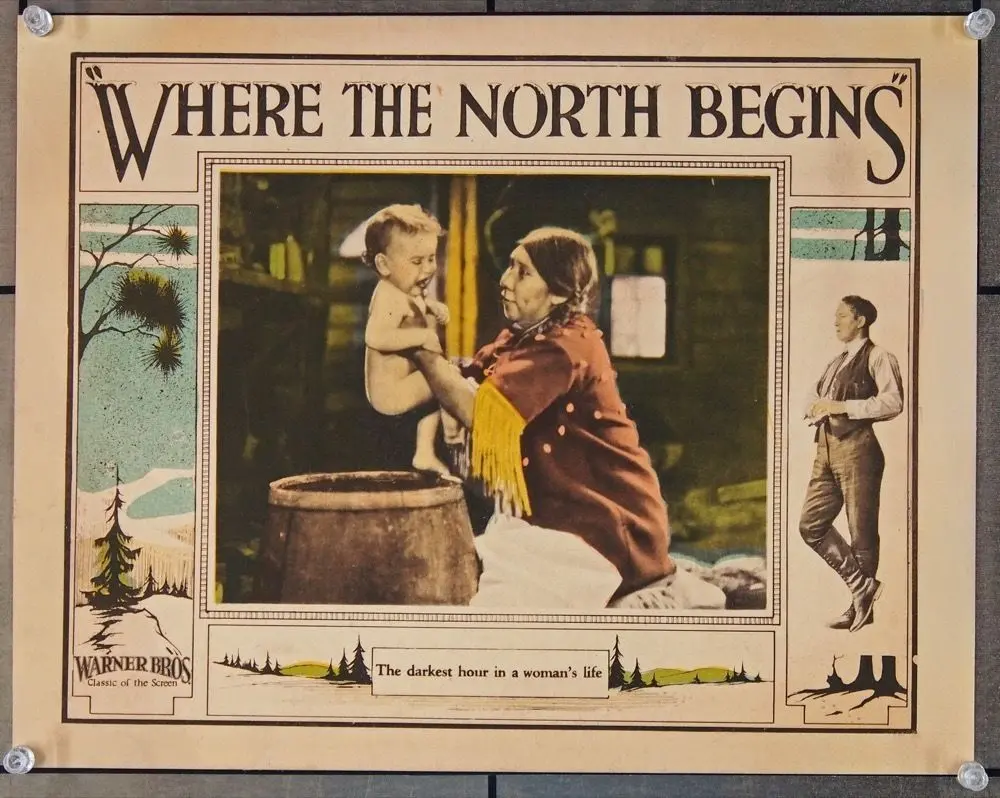
Franklin’s direction is complemented by Fred Myton’s terse intertitles, which punctuate the visual storytelling without overwhelming it. Millard Webb’s cinematography captures the stark beauty of the Arctic with a palette dominated by bleached whites and deep blues, while occasional splashes of dark orange (#C2410C) appear in the warm glow of campfires, creating a visual tension that mirrors the narrative’s emotional tug‑of‑war. The film’s editing maintains a deliberate pace, allowing the audience to savor each breath of wind, each crunch of snow under paw.
For those familiar with the era’s animal‑hero films, Where the North Begins feels like a spiritual sibling to The Chauffeur, where a vehicle becomes a conduit for human drama, or to A Bird of Prey, which also explores the uneasy alliance between man and beast. Yet, where those films dwell in urban or tropical settings, this movie plunges viewers into an unforgiving polar wilderness, making its emotional stakes feel more elemental.
Nearly a century after its debut, the film’s meditation on cross‑species empathy remains resonant. In an age where wildlife conservation and animal rights dominate public discourse, Rin Tin Tin’s journey from feral to familial offers a poignant reminder that bonds can transcend instinctual divides. Moreover, the movie’s visual language—relying heavily on natural soundscapes and expressive animal behavior—prefigures contemporary documentaries that eschew narration in favor of immersive experience.
Where the North Begins is more than a nostalgic relic; it is a meticulously crafted meditation on identity, belonging, and the fragile bridge between civilization and the untamed. Its black‑and‑white cinematography, punctuated by strategic bursts of dark orange firelight and sea‑blue ice, creates a mood that is simultaneously bleak and hopeful. The film’s pacing, while deliberate, never feels stagnant; each scene builds upon the last, leading to a climax that is as emotionally satisfying as it is visually striking. For cinephiles seeking a work that marries the grandeur of nature with the intimacy of personal loyalty, this 1923 classic stands as an essential viewing experience.
If you enjoyed the thematic interplay of man versus nature in Des Goldes Fluch or the character‑driven drama of The Lone Wolf's Daughter, you will find Where the North Begins a compelling addition to your watchlist.
IMDb —
1923
Community
Log in to comment.