DbcultAccessing Vault...
Cult Review
Senior Film Conservator
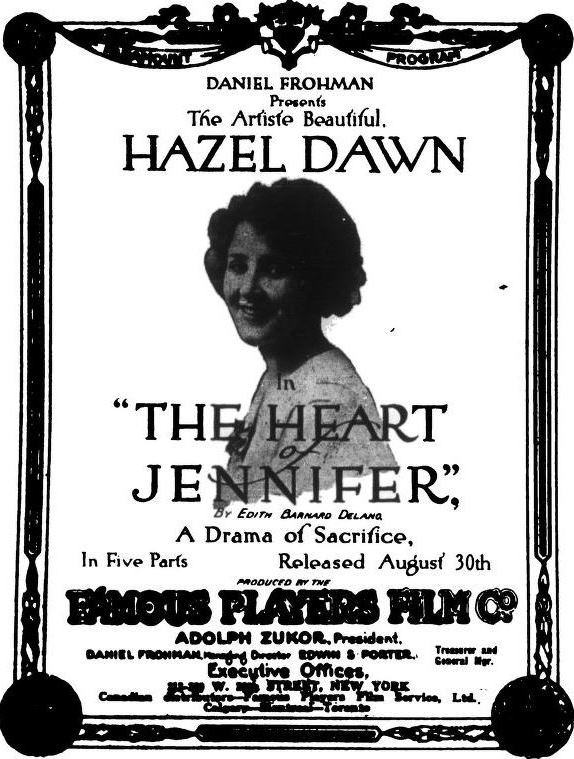
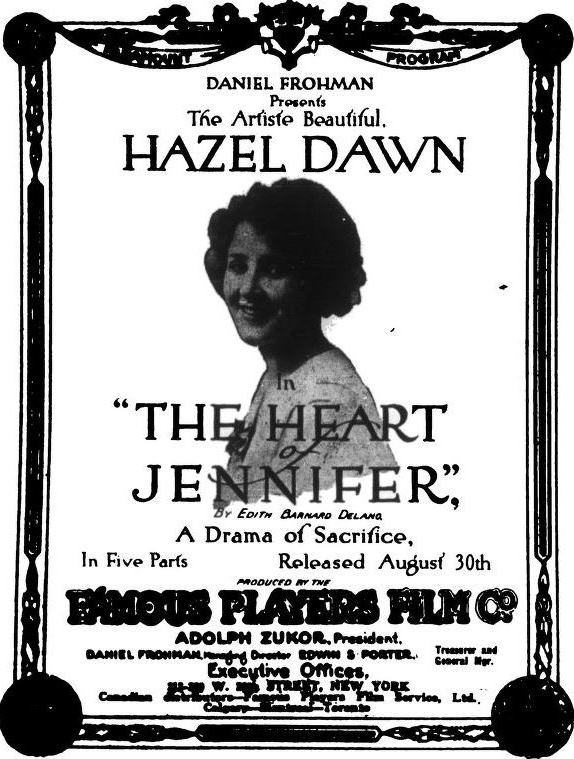
In the pantheon of early silent cinema, few works manage to balance the heavy-handed morality of the era with the nuanced psychological undercurrents found in The Heart of Jennifer. Directed during a pivotal moment when the medium was transitioning from short-form spectacle to complex feature-length narratives, this 1915 production remains a fascinating specimen of domestic melodrama infused with the rugged aesthetics of the American wilderness. The film, written by the astute Edith Barnard Delano, navigates the treacherous waters of social obligation, the corrupting influence of capital, and the transcendent power of self-sacrifice.
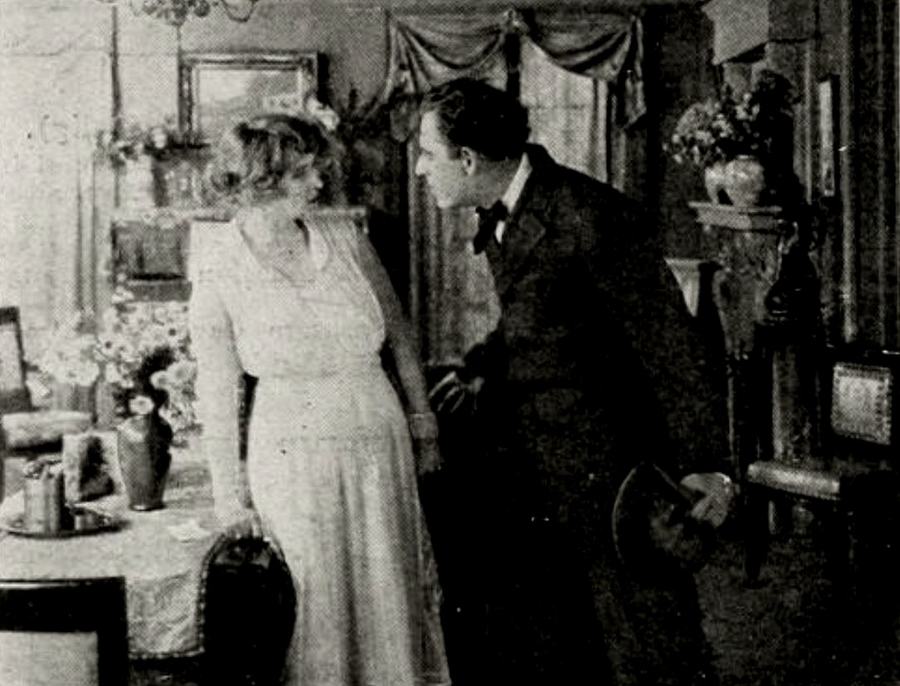
At the center of this storm is Stephen Weldon, a character who embodies the predatory nature of the urban elite. Unlike the more whimsical villains often seen in contemporary works like The Man from Mexico, Weldon is a creature of calculated malice. His 'rescue' of the Hale family is not an act of altruism but a strategic acquisition. He views Jennifer not as a partner but as a trophy, a tangible return on his investment. This commodification of the female protagonist was a recurring theme in early 20th-century drama, yet The Heart of Jennifer elevates the conflict by giving Jennifer the agency to flee. Her refusal to marry Weldon is a radical act of defiance against the patriarchal structures that seek to trade her autonomy for her father's solvency.
Hazel Dawn’s portrayal of Jennifer Hale is a masterclass in silent-era emotive acting. Eschewing the frantic gesticulations that plagued many of her contemporaries, Dawn utilizes her eyes and subtle shifts in posture to convey a soul in turmoil. When she retreats to the woods, we see a physical transformation; the stiff, corseted anxiety of the city gives way to a fluid, naturalistic grace. It is here she meets James Murray, played by James Kirkwood with a stoic masculinity that contrasts sharply with Weldon’s oily sophistication. Their romance is framed through the lens of the 'natural' man versus the 'artificial' man, a dichotomy that echoes the themes found in Half Breed, though within a vastly different social context.
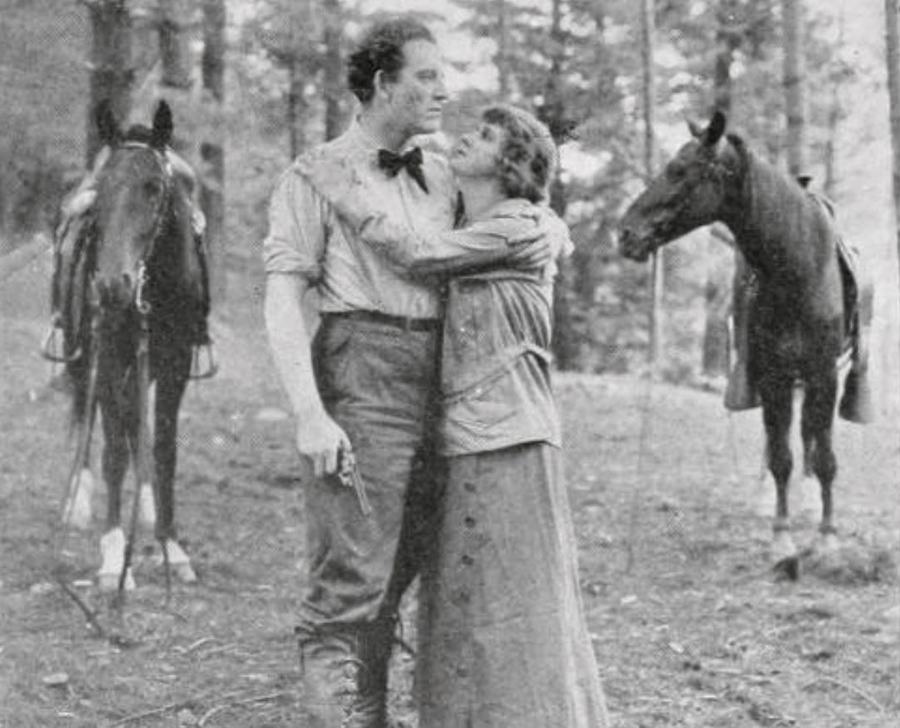
"The film's cinematography captures the lumber camp not merely as a workplace, but as a purgatory where secrets are buried and character is forged in the crucible of labor."
The transition to the summer home and the lumber camp provides the film with its most visually arresting sequences. The vastness of the woods serves as a metaphor for the potential of a new life, free from the entanglements of the Hale family's financial ruin. However, the arrival of Weldon into this Edenic setting introduces a jarring dissonance. His threat to expose Hale’s past indiscretions—a plot device that mirrors the tension in The Other's Sins—forces Jennifer into a corner. The marriage to Murray is a desperate gambit, a shield against Weldon’s blackmail. Yet, this marriage, born of necessity, is soon poisoned by Weldon’s whispers. The villain’s ability to manipulate Murray’s perception of Jennifer’s motives is perhaps the most tragic element of the film, highlighting the fragility of trust when confronted with the specter of class-based cynicism.
The subplot involving Murray’s sister, Agnes, adds a layer of complexity that distinguishes The Heart of Jennifer from more straightforward moral plays like At the Cross Roads. Agnes’s descent into a liaison with Weldon serves as a dark mirror to Jennifer’s situation. While Jennifer resists Weldon’s advances, Agnes succumbs, ultimately leading to her ruin. The act of murder—Agnes killing Weldon as he prepares to abandon her—is a visceral eruption of suppressed female rage. It is a moment of stark realism in a genre often characterized by artifice. Jennifer’s decision to take the blame for the murder is the ultimate manifestation of the 'Heart' mentioned in the title. It is a sacrificial act intended to preserve Murray’s image of his sister, even at the cost of her own freedom and her husband’s love.
The final act of the film is a masterfully paced chase sequence into the mountains. Murray, believing his wife to be a murderess yet unable to abandon her to the law, leads her into the wilderness. This sequence is reminiscent of the moral journeys depicted in Through the Valley of Shadows. The rugged terrain acts as a physical manifestation of their emotional estrangement. Every step up the rocky incline is a penance. The cinematography here is particularly noteworthy, using the scale of the mountains to dwarf the characters, emphasizing their helplessness against the machinations of fate. The tension is palpable as the posse closes in, creating a sense of impending doom that is only broken by the arrival of the messenger.
The resolution of The Heart of Jennifer relies on the classic trope of the deathbed confession, a device also employed in Hans Faders Ære to restore the protagonist's honor. Agnes’s fall over the cliff is both a literal and metaphorical plummet, providing the necessary 'exit' for a character who, by the standards of 1915, could not be allowed to survive after her 'disgrace.' Her confession clears Jennifer’s name, but the emotional scars remain. The film does not shy away from the fact that Murray’s love was easily shaken by Weldon’s lies. The reunion is bittersweet; it is a restoration of status, but it is also a sober acknowledgment of human fallibility. Unlike the more optimistic endings of One of Our Girls, the conclusion here feels hard-won and heavy with the weight of what was nearly lost.
From a technical standpoint, the film benefits greatly from the writing of Edith Barnard Delano. Her script avoids the episodic nature of many early silent films, opting instead for a tightly woven narrative where every character’s action has a direct consequence on the others. The pacing is deliberate, allowing for moments of introspection that are often absent in the high-octane thrillers like C.O.D. or the social dramas such as Through Fire to Fortune. The use of location shooting in the lumber camps and mountains adds an authenticity that studio sets could never replicate, grounding the melodrama in a tangible, breathing world.
Comparing The Heart of Jennifer to international contemporaries like the German Wer ist der Täter? or the Chinese Zhuangzi shi qi, one can see the emerging universal language of cinema—the use of landscape to mirror internal states and the focus on the individual’s struggle against societal expectations. While Strike would later use film for radical political messaging, The Heart of Jennifer remains focused on the domestic and the personal, suggesting that the most profound revolutions occur within the human heart.
Ultimately, The Heart of Jennifer is more than just a relic of the silent era. It is a poignant exploration of the lengths to which one will go to protect the ones they love, even when those loved ones are undeserving of such devotion. The film’s exploration of class, gender dynamics, and the corrupting nature of secrets remains relevant. It stands alongside works like A Gentleman from Mississippi as a testament to the sophistication of early American screenwriting. Whether it is the haunting image of Agnes’s confession or the sight of Jennifer and Murray standing amidst the mountain peaks, the film leaves an indelible mark on the viewer. It reminds us that while the 'gutter' may be where the story begins—much like in From Gutter to Footlights—it is the ascent toward truth and sacrifice that defines the human experience. Hazel Dawn’s Jennifer is not just a victim of circumstance; she is the moral compass of a world that has lost its way, and her heart is the anchor that finally brings the narrative home.
Reviewer Note: For those interested in the evolution of Hazel Dawn's career or the specific cinematographic techniques of the mid-1910s, this film is an essential watch. It bridges the gap between the theatricality of the Victorian stage and the visual storytelling that would define the Golden Age of Hollywood. It shares a certain thematic DNA with Angel of His Dreams, particularly in its idealization of female purity and sacrifice.
IMDb —
1922
Community
Log in to comment.