Summary
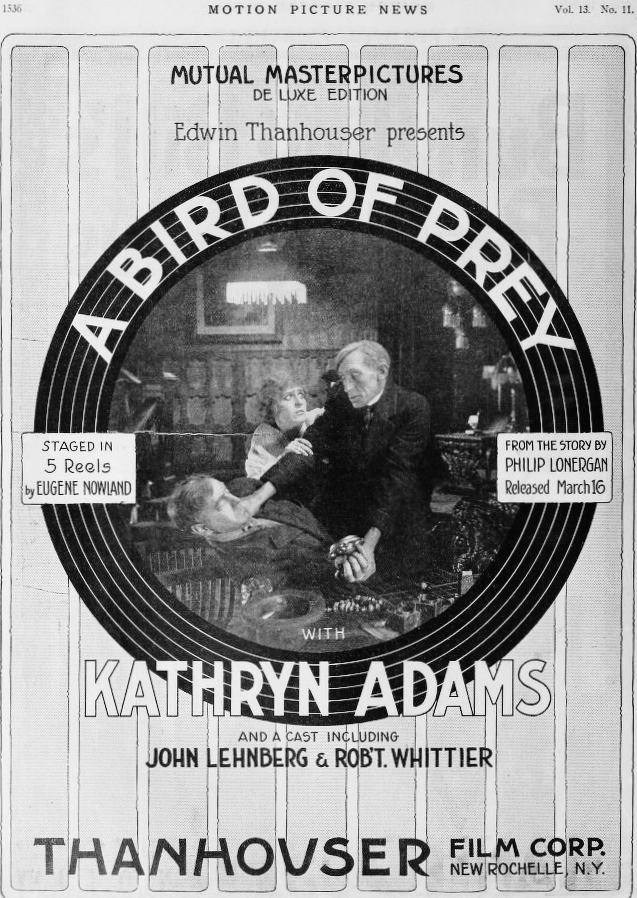
Amid the ochre cough of a frontier gorge, a lone miner chips at the cliff-face like a penitent sculpting his own future, every fleck of pyrite a votive offering to a wife whose gaze already drifts past him toward the neon mirage of elsewhere. Into this crucible of dust and deferred dreams glides a silk-clad Easterner, urban perfume clashing with sagebrush, a sly archangel promising deliverance through a signature. Gold blooms beneath their boots; so does betrayal. One forged deed later, the miner’s empire is auctioned off for piano music and whiskey, his partner vanished with the only horizon he ever loved. Left with a scrawled farewell that smells of lilac and rust, the dispossessed husband becomes a ghost haunting his own claim, then a bullet-shaped thought racing eastward. Years calcify into scar tissue: the adulterous bride, now jeweled but shackled to a hollow financier, discovers gilt walls can be a cage; the miner, timber-rich and revenge-poor, stalks snow-bright Adirondack slopes, rifle kissed by moonlight, finger trembling over a trigger that would orphan a child he does not yet know. When the banker’s little equestrienne vanishes into white silence, it is the supposed predator who rescues, warms, rears her in amnesiac tenderness, rewriting bloodlines with every lullaby. Fortune pivots again: embezzlement topples the banker, prison swallows him, escape unmakes him; a single gunshot on a misty porch writes the epilogue he scripted for others. The miner—now squire of manor and conscience—marries the housekeeper whose face once launched a thousand pickaxes, and the daughter, luminous in her un-knowing, dances on a lawn where no shadows dare speak the truth.
Synopsis
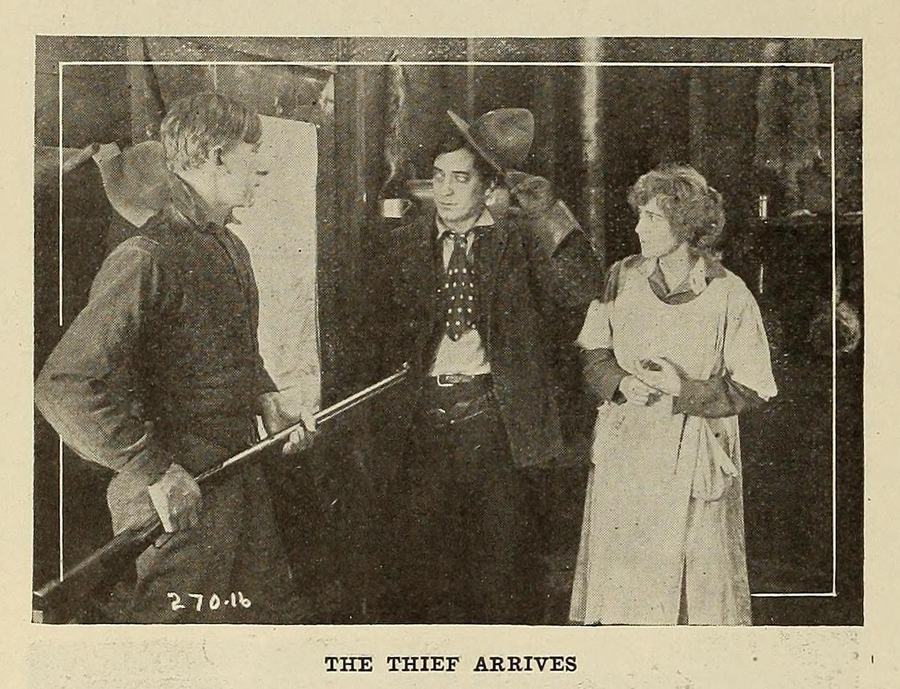
In a little Western mining camp a man works day after day at his claim to win riches for his adored wife--who is dissatisfied with her lot in life and sees her husband as an impractical dream. The tempter appears to this young, attractive, discontented wife as a you Easterner who comes to the mining town in search of fortune. The miner welcomes the new arrival and gives him work on his claim. Gold is discovered, and the newcomer is made a partner in the claim and sent to register it in the name of his benefactor and himself. The miner does not know that the young Easterner has paid attentions to the wife, fanning her discontent and telling her how happy she would be if she would only divorce her husband and go away with him. In the mining town the man from the East registers the claim in his name alone, and sells it at once to the proprietor of a dance hall. This man, with a number of hired thugs, goes to the mining claim and takes possession, driving off the indignant husband. When the miner demands by what right he dares to seize the claim, the dance-hall owner shows him the registry deed and a receipt from the Easterner. Then, for the first time, the truth dawns upon the miner. He runs to his cabin to tell his wife the news, and finds her gone. A note tells him that she has left with the other man and intends to secure a divorce and marry him. Stopping at a nearby town, the angry husband overtakes the fugitives and a fierce fight ensues. A blow from the Easterner's pistol butt sends him to the ground unconscious. Then the wife and the Easterner board a train for the east, while the unconscious miner is carried back to his cabin. In the East the wife secures a divorce from her husband and marries the other man. As the years pass the banker's wife learns her husband's true character. The desire for revenge has become almost an obsession with the miner, and when he is able to dispose of the timber lands he owns he leaves for the East. When he arrives in New York he discovers that his former partner is visiting a friend in the Adirondacks, so he goes there and hires a cabin where he can watch the banker and plan his vengeance. The opportunity comes soon. The banker's host gives a handsome entertainment to his guests. While the gaiety is at its highest, a stern-faced man lurks outside the house. Twice he raises his rifle to fire, and each time stays his hand, for if he pressed the trigger he would have killed his wife. As the banker stands alone, a groom sees the figure with the leveled rifle and springs upon him. The muscular miner easily overpowers the servant and escapes. Several days later the banker's little daughter rides off through the snow-covered mountains. Night is falling when the riderless horse returns to the stable. The miner found the child, sick and delirious, in the snow, cared for her and decided to bring her up in ignorance of her real parentage. The former miner prospers. Tempted to recoup his losses by using the funds entrusted to his care, the banker is arrested and sentenced to prison. Several years later, the former banker's wife is sent to a wealthy home where she was told that a housekeeper was wanted. In the owner of the handsome mansion she recognized her first husband. Gradually the heiress becomes attached to the housekeeper. The convicted banker escapes from prison and in his desperation appeals to his wife. She aids him. As he leaves he is seized. In the struggle that follows he is killed. The girl never learns that her father is slain by officers of the law, and the true story of her life is never told to her, for her foster father marries his housekeeper.
Review Excerpt
"
::selection{background:#EAB308;color:#000;}
a{color:#0E7490;text-decoration:none;border-bottom:1px dotted #0E7490;}
a:hover{color:#EAB308;border-color:#EAB308;}
blockquote{border-left:4px solid #C2410C;padding-left:1rem;margin:1.5rem 0;font-style:italic;color:#EAB308;}
.pullquote{font-size:1.4rem;color:#C2410C;text-align:center;margin:2rem 0;font-weight:700;letter-spacing:.5px;}
The first time I saw A Bird of Prey I was hunting for something else entirely—an alleged lost Louise War..."