DbcultAccessing Vault...
Cult Review
Senior Film Conservator
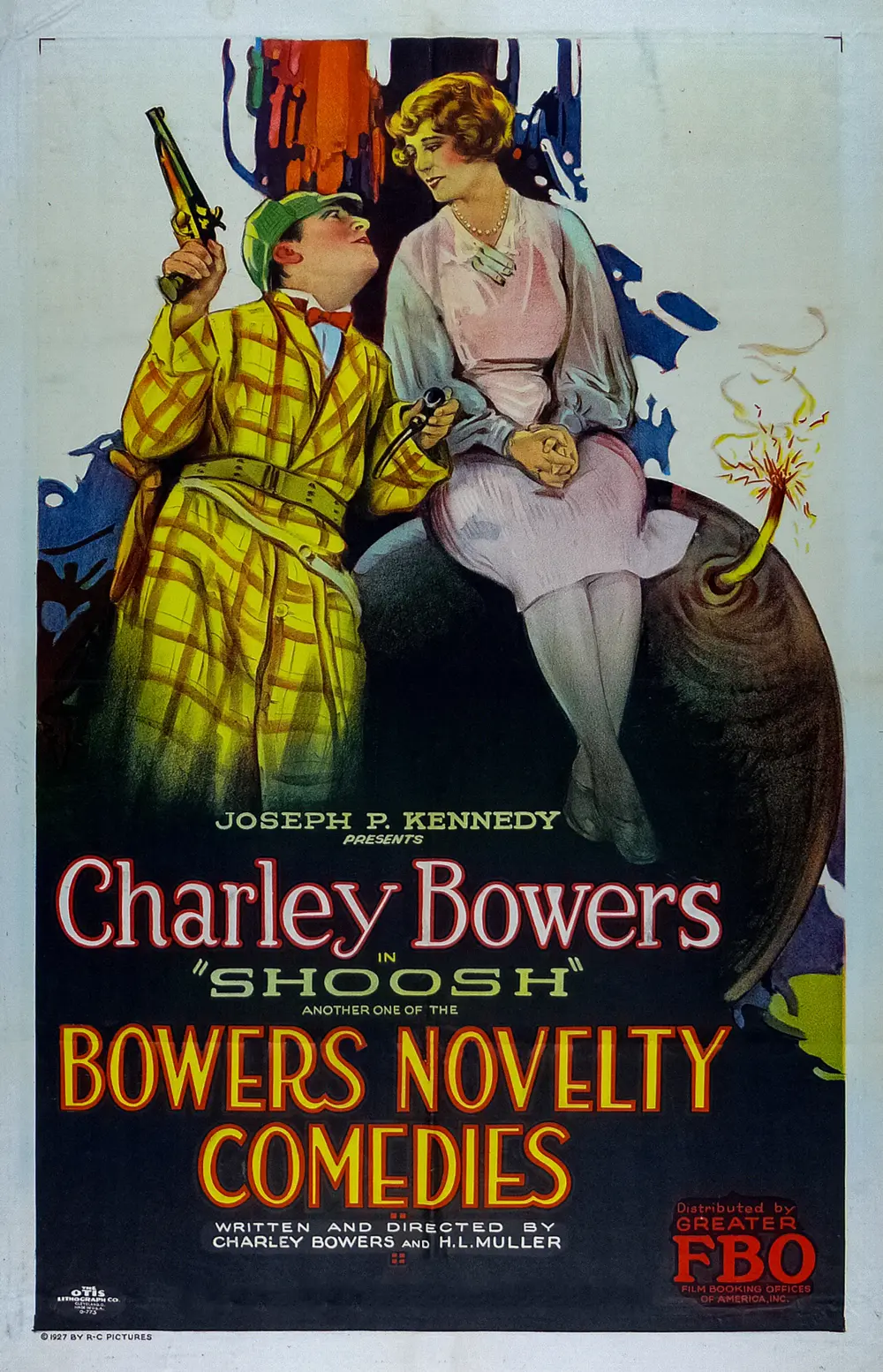
Is Why Squirrels Leave Home worth your time nearly a century after its release? Short answer: yes, but only if you have a high tolerance for mechanical absurdity and the uncanny valley of early animation. This isn't a film for those seeking the polished narrative arcs of Reputation (1921); it is a film for the curious, the tech-obsessed, and those who find beauty in the bizarre.
This film is for fans of experimental cinema and stop-motion history. It is NOT for viewers who demand high-definition realism or standard Hollywood pacing. It is a frantic, often unsettling display of technical wizardry that feels more like a science experiment than a traditional movie.
1) This film works because it refuses to acknowledge the limitations of 1920s technology, pushing the 'Bowers Process' into territories of surrealism that even modern CGI struggles to replicate with the same tactile grit.
2) This film fails because the human elements and the supporting cast are essentially props for the machinery, leaving the viewer with little emotional resonance once the gears stop turning.
3) You should watch it if you want to witness the exact moment in film history where live-action slapstick met the impossible physics of animation, creating a precursor to the Looney Tunes logic of the 1940s.
Charles R. Bowers is the most famous filmmaker you've probably never heard of. While Chaplin was perfecting the tramp and Keaton was dodging falling houses, Bowers was busy making inanimate objects come to life. In Why Squirrels Leave Home, the primary 'character' isn't even Charley himself; it is the sprawling, clanking nut-cracking machine that occupies his workshop. This contraption is a marvel of set design and stop-motion integration. Unlike the grounded realism found in Fighting the Flames, Bowers treats the physical world as a suggestion.
Consider the scene where the machine begins its rhythmic, terrifyingly precise operation. The way the stop-motion nuts move toward the cracking mechanism feels organic yet deeply unnatural. It is this tension that defines the film. Bowers doesn't just animate for the sake of a gag; he animates to show a world that has lost its mind. The squirrels themselves, portrayed through a mix of live animals and animated surrogates, have a weight to them that feels more 'real' than the digital puppets of today. It is messy. It is loud. It works.
The collaboration between Harold L. Muller, Ted Sears, and Bowers created a visual language that was decades ahead of its time. Sears, who would later become a cornerstone of the Disney story department, clearly brought a sense of character-driven movement to the inanimate. In one specific sequence, a metal arm seems to hesitate before striking—a moment of pure characterization through metal and wire. This is a far cry from the static framing of Nina, the Flower Girl. Here, the frame is constantly invaded by the unexpected.
The 'Bowers Process' was a closely guarded secret, and watching this short, you can see why. The integration is seamless in a way that defies the era. When Charley interacts with the animated elements, there is a physical commitment that many actors today, working against green screens, fail to achieve. He isn't looking at a tennis ball on a stick; he is looking at a nightmare he built himself. The pacing is breathless, almost exhausting. It lacks the gentle charm of The Sleepyhead, opting instead for a sensory assault of gears and fur.
Yes, Why Squirrels Leave Home is a mandatory watch for anyone interested in the evolution of special effects. It provides a direct link between the trick films of Méliès and the sophisticated stop-motion of Ray Harryhausen. While the plot is virtually non-existent—it’s essentially one long setup for a series of mechanical payoffs—the visual invention is staggering. It is a short film that feels longer than its runtime, but in a way that suggests density rather than boredom. You will see things in this 1927 short that you haven't seen in a movie since.
There is a darkness to Bowers' work that often goes unremarked. Unlike the lighthearted romance of The Song of Love or the adventure of A Virgin Paradise, Why Squirrels Leave Home flirts with the grotesque. The way the squirrels are manipulated can sometimes feel like a taxidermist's fever dream. This isn't 'cute' animation. It is the animation of the obsessed. The squirrels leave home not just because of the machine, but because the very laws of their reality are being rewritten by a madman in a flat cap.
Bowers’ performance is equally strange. He doesn't play for the camera with the expressive mugging of his contemporaries. He remains strangely stoic, a deadpan observer of the chaos he has unleashed. This creates a fascinating contrast. The more the world around him moves with frantic, animated energy, the more still Bowers becomes. It is a masterclass in underacting within an overactive environment. It reminds me of the stoicism in His Majesty, the American, but applied to a much more surrealist landscape.
Pros:
Cons:
To understand why this film matters, one must look at the landscape of 1927. Cinema was on the verge of the sound revolution. Most directors were focused on making their stories more grounded and relatable. Bowers went the other way. He went deep into the internal logic of the machine. While The She Wolf was exploring melodrama, Bowers was exploring the possibility of a metal bird laying a mechanical egg. It is this refusal to play by the rules that makes Why Squirrels Leave Home a cult classic among film historians.
The film shares a certain DNA with The Speakeasy in its depiction of chaotic social spaces, but Bowers internalizes that chaos into his inventions. There is also a hint of the existential dread found in Prestuplenie i nakazanie, albeit hidden under layers of slapstick. If Dostoevsky had an interest in automated nut-crackers, it might look something like this. The squirrels aren't just leaving home; they are fleeing a world that no longer makes sense.
"Charles Bowers didn't just film a story; he engineered a reality where the impossible was merely a matter of frame-by-frame persistence."
Why Squirrels Leave Home is a magnificent anomaly. It is a testament to what can be achieved when a filmmaker is given enough rope to hang himself—or in this case, enough wire and wood to build a masterpiece of the absurd. It isn't 'pretty' in the way Wonderful London: Flowers of London is pretty. It is gritty, mechanical, and occasionally disturbing. But it is undeniably original. In a world of repetitive sequels and safe narratives, Bowers' 1927 short feels more radical today than it did a century ago. It works. But it’s flawed. And that’s exactly why you should watch it.
IMDb —
1924
Community
Log in to comment.