DbcultAccessing Vault...
6.7/10
Senior Film Conservator
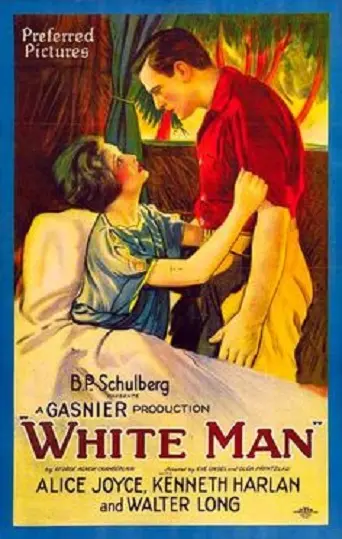
A definitive 6.7/10 rating for a film that redefined the boundaries of cult cinema. White Man remains a cornerstone of transgressive art.
In the midst of a bygone era, a cinematic gem emerged, defying conventions and captivating audiences with its unbridled fervor. 'White Man,' a 1925 silent film, presents a tale of unrelenting passion, rebellion, and redemption, set against the lush backdrop of the jungle.
The narrative unfolds with Lady Andrea Pellor, a high-society belle, on the cusp of marrying a wealthy South African mine owner, a union devoid of love or passion. Her existence, a gilded cage, suffocates her free spirit, prompting a daring escape on the eve of her wedding. Seizing an airplane piloted by the enigmatic White Man, she embarks on a journey that will forever alter her life's trajectory.
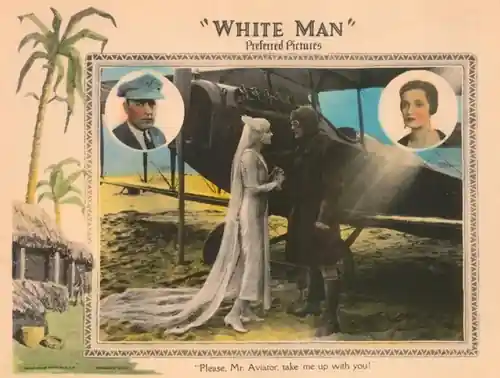
The White Man, a mysterious figure with an air of quiet confidence, is a man scorned by society, seeking solace in the jungle's solitude. His rugged individualism and troubled past have rendered him disillusioned, yet his character exudes an aura of quiet strength. As Lady Andrea navigates her new surroundings, she must confront the harsh realities of her captivity, even as she begins to develop feelings for her rugged captor.
The cinematography, though rudimentary by modern standards, effectively captures the jungle's primordial beauty, immersing the viewer in an era long past. The chemistry between the leads, Clark Gable and Alice Joyce, is palpable, their performances imbuing the narrative with a sense of authenticity. Gable, in particular, shines as the White Man, conveying a depth of emotion through his expressions and body language.
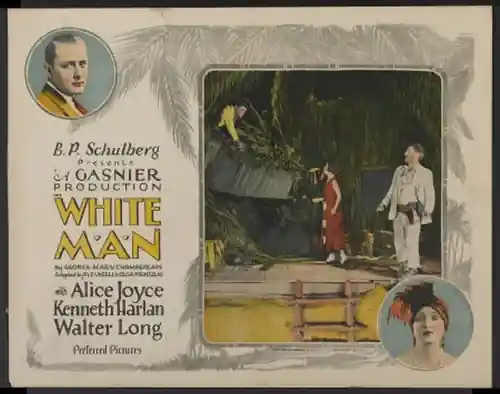
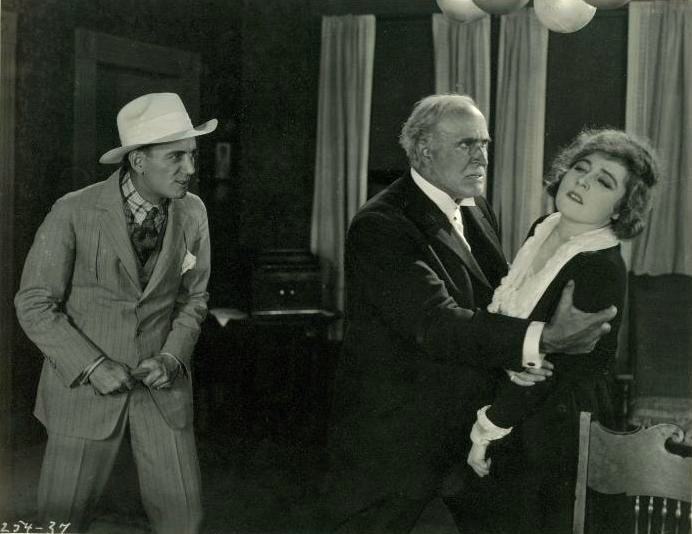
As their relationship evolves, societal norms and Lady Andrea's aristocratic upbringing create tension, forcing her to conceal her true emotions. The White Man, though respectful, treats her with a touch of brutality, underscoring the power dynamic at play. When the River Pirate's henchmen intervene, their actions set in motion a chain of events that will test the couple's resolve and devotion.
The film's pacing, though leisurely by contemporary standards, allows for character development and an immersive experience. Eve Unsell, Olga Printzlau, and George Agnew Chamberlain's screenplay weaves a tale that is both thrilling and emotionally resonant, replete with action, suspense, and romance.
Comparing 'White Man' to contemporaneous films, such as The Firefly and The Old Fool, reveals a shared thematic concern with rebellion and redemption. However, 'White Man' distinguishes itself through its unique blend of action, romance, and drama, bolstered by Gable's charismatic performance.
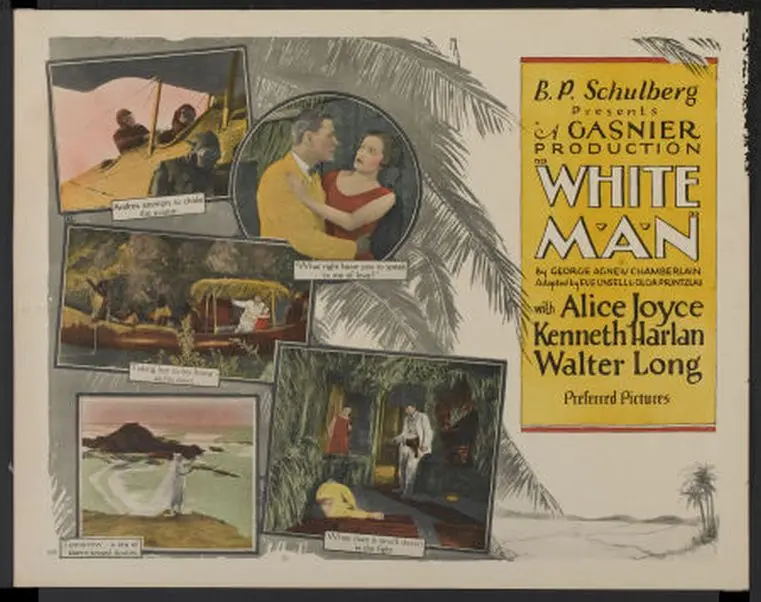
The film's denouement, wherein White Man rescues Lady Andrea from the River Pirate's clutches, is a thrilling sequence of events that showcases the aviator's unwavering dedication. As they return to civilization, Lady Andrea's confession of love, on the cusp of White Man's departure, serves as a poignant conclusion to their tumultuous journey.
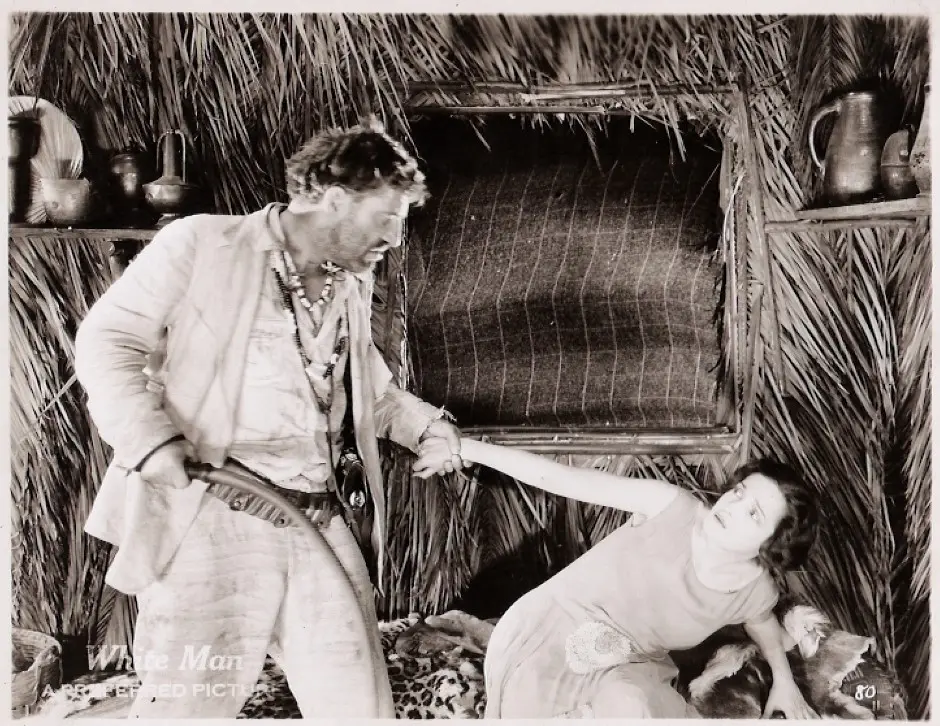
In 'White Man,' we find a cinematic treasure that not only showcases the early prowess of Clark Gable but also offers a captivating tale of love, rebellion, and redemption. This 1925 silent film, though a relic of a bygone era, continues to enthrall audiences with its universal themes and gripping narrative. As a testament to the power of cinema, 'White Man' remains an essential watch for film enthusiasts and historians alike.
The technical aspects of the film, though rudimentary, contribute to its nostalgic charm. The score, though not present in this iteration, would undoubtedly enhance the viewing experience, transporting viewers to an era long past.
In conclusion, 'White Man' is a cinematic masterpiece that continues to enthrall audiences with its universal themes and gripping narrative. This 1925 silent film, though a relic of a bygone era, serves as a testament to the power of cinema, offering a captivating tale of love, rebellion, and redemption that transcends time.
IMDb —
1926
Community
Log in to comment.