DbcultAccessing Vault...
5.8/10
Senior Film Conservator
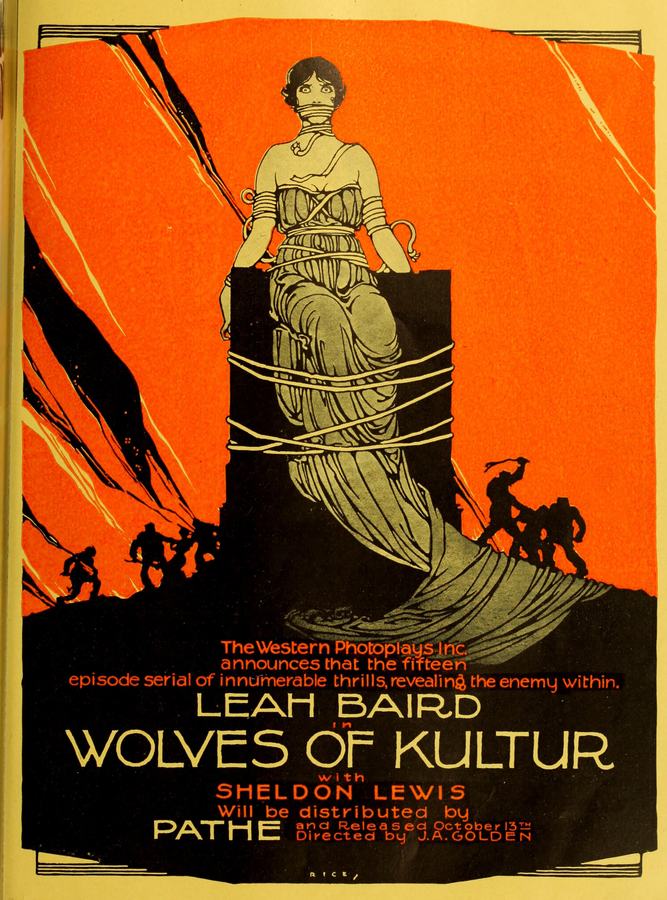
A definitive 5.8/10 rating for a film that redefined the boundaries of cult cinema. Wolves of Kultur remains a cornerstone of transgressive art.
Step back into the nascent days of cinema, when shadows danced and melodrama reigned supreme, to encounter a film that encapsulates the thrilling anxieties of its era: Wolves of Kultur. This silent-era gem, penned by the imaginative Joseph A. Golden, is far more than a simple narrative; it's a pulsating artifact of early cinematic espionage, a testament to the period's fascination with technological marvels and the ever-present specter of international intrigue. From its very opening frames, the film grips the viewer, propelling them into a world where scientific innovation is a double-edged sword, capable of both progress and profound destruction, and where the line between ally and adversary blurs with dangerous fluidity.
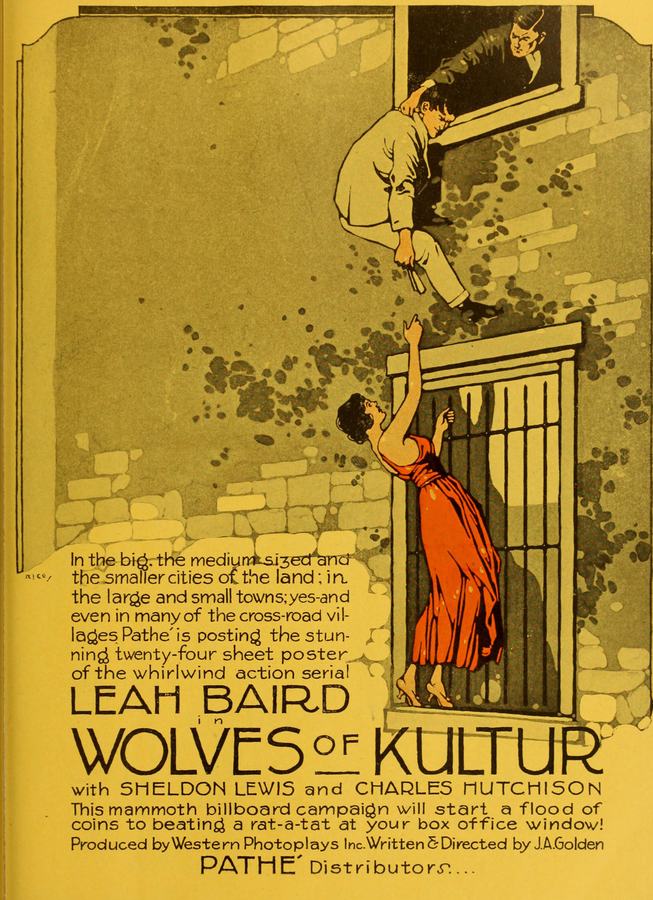
At the heart of this compelling drama lies Professor Grayson, a visionary whose genius births a wireless torpedo, an invention poised to redefine naval warfare. The sheer audacity of such a concept in the early 20th century cannot be overstated; it speaks to a society on the cusp of unprecedented technological leaps, simultaneously thrilled by possibility and terrified by its potential misuse. The Professor’s fatal error, however, is his trust in his colleagues. Following a pivotal announcement of his invention, two serpentine figures, driven by avarice and a chilling disregard for human life, perpetrate a heinous act: the murder of the scientist and the brazen theft of his revolutionary blueprints and the prototype itself. Their nefarious objective is chillingly clear: to peddle this instrument of death to the highest bidder, irrespective of the catastrophic global ramifications. This central premise immediately establishes a high-stakes scenario, echoing the dramatic tension found in other thrillers of the period such as Sealed Orders, where wartime secrets are equally coveted and perilous.
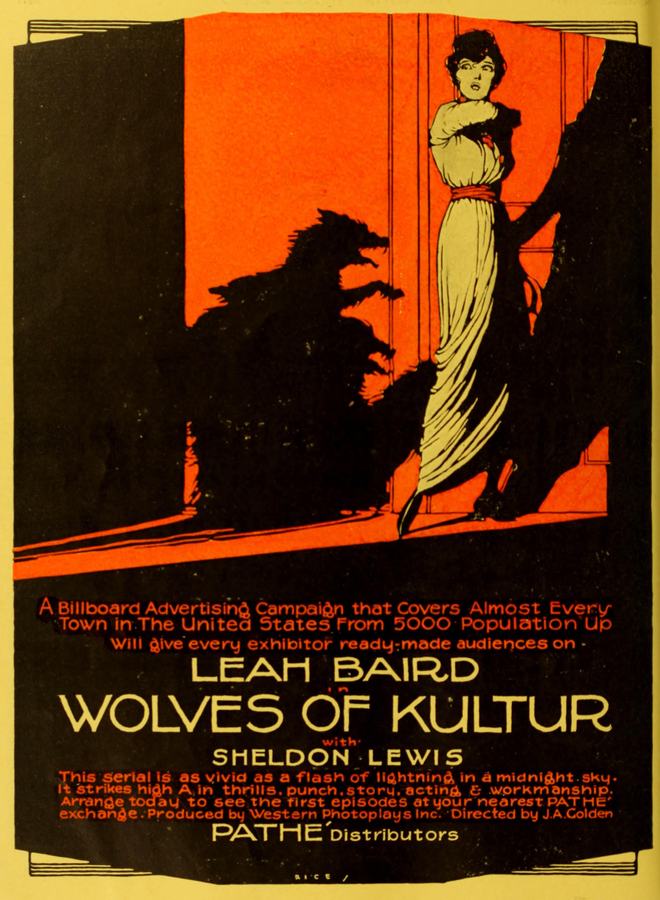
Enter Alice Grayson, the Professor's niece, portrayed with a compelling blend of vulnerability and fierce determination by Betty Howe. Alice is no shrinking violet; her intelligence and courage are immediately evident as she uncovers the horrifying truth behind her uncle's demise and the identity of the treacherous thieves. Her journey transforms her from a grieving relative into an intrepid heroine, a proto-action star navigating a perilous landscape of deceit and danger. This portrayal of a strong female character, actively pursuing justice and taking matters into her own hands, resonates with the spirit of other pioneering female leads of the era, perhaps even drawing a subtle parallel to the indomitable spirit seen in films like Tess of the Storm Country, though Alice's battle is one of espionage rather than social struggle. Assisting Alice in her desperate quest is Bob Moore, her two-fisted boyfriend, brought to life with a robust physicality by Charles Hutchison. Moore embodies the classic heroic archetype: strong, loyal, and ready to face any physical challenge. Their partnership forms the emotional and practical backbone of the narrative, a dynamic duo racing against the clock to recover the stolen technology before it can be unleashed against American ships, a threat that feels palpably real given the geopolitical climate of the early 20th century.
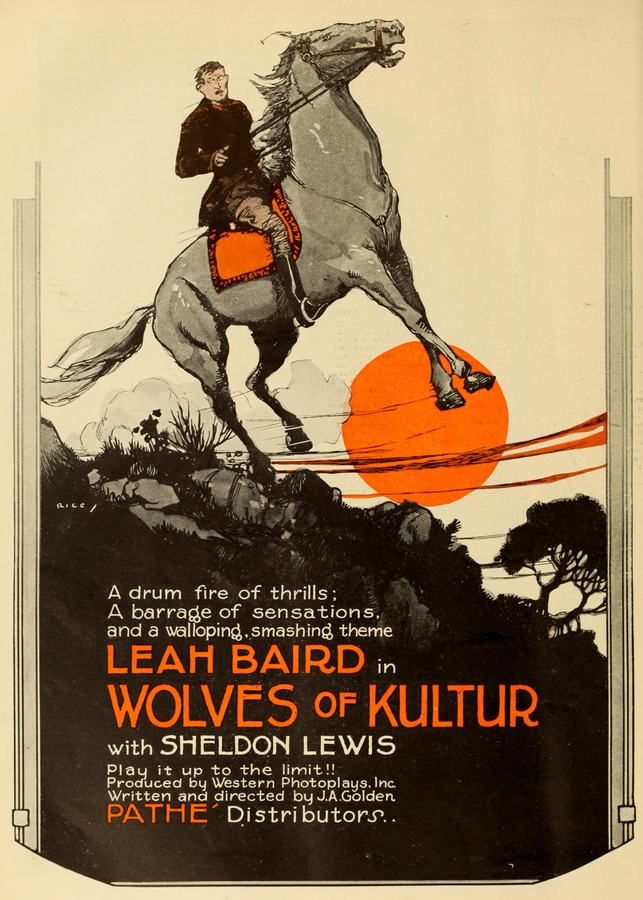
The ensemble cast, while typical of its time in terms of broad character strokes, delivers performances that are both engaging and effective. Sheldon Lewis, often typecast as a villain, likely brings his signature brand of sinister charm to one of the antagonists, embodying the 'wolves' of the title with chilling precision. Edwin Denison and William Cavanaugh, presumably playing the other key conspirators or perhaps supporting roles, contribute to the tapestry of intrigue. Frederick Arthur, Edmund D'Alby, Leah Baird, Austin Webb, Mary Hull, and Karl Dane round out the cast, each adding depth to the unfolding drama. The reliance on exaggerated expressions and gestures, inherent to silent film acting, is utilized here to convey the high stakes and moral complexities, ensuring that even without spoken dialogue, the audience grasps the gravity of the situation. The clear delineation between good and evil, while a hallmark of the era, serves to amplify the tension and make Alice and Bob's struggle all the more compelling. The narrative's focus on a high-value theft and subsequent pursuit aligns it with other crime-centric narratives like The Great Diamond Robbery, though Wolves of Kultur elevates the stakes to an international level.
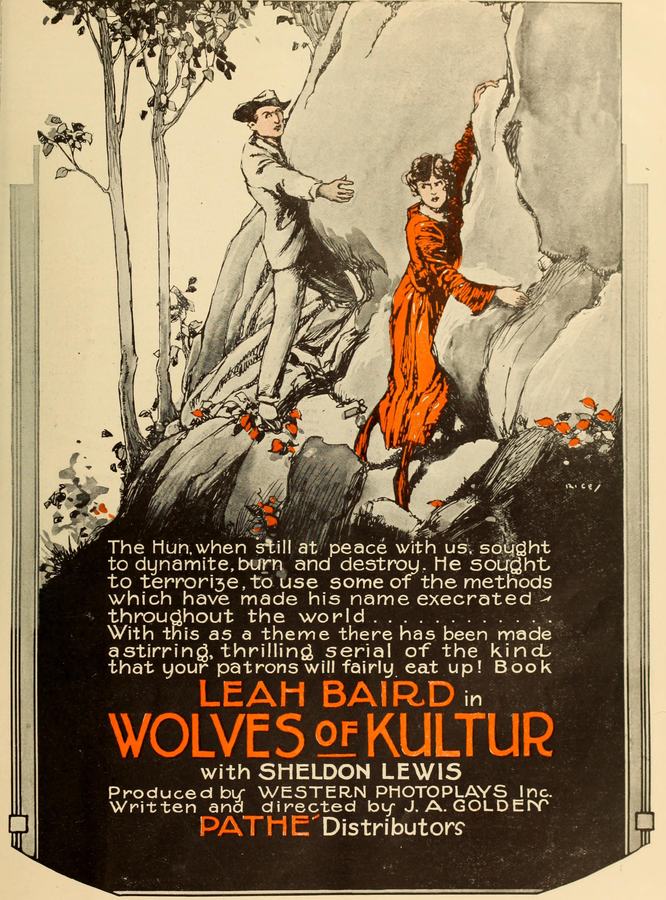
One of the film's most remarkable achievements is its relentless pacing. Joseph A. Golden's script is structured with a palpable sense of urgency, moving from one dramatic confrontation to the next with an almost breathless momentum. This is crucial for a story built around a race against time. The editing, characteristic of early serials, maintains a tautness that prevents any lull in the action, a quality that would have kept audiences riveted in their seats. The use of intertitles is artful, providing necessary exposition without bogging down the visual narrative, a delicate balance that many silent films struggled to achieve. The cinematography, while perhaps lacking the sophisticated camera movements of later eras, effectively captures the danger and the daring of Alice and Bob's escapades. Chase sequences, often a staple of early action cinema, are executed with a verve that belies the technical limitations of the time, making palpable the physical risks taken by the protagonists. The film's ability to sustain suspense over its runtime is a testament to its well-crafted plot and the committed performances, drawing the viewer into every twist and turn of the conspiracy. It manages to build a sense of impending doom, similar to the grand, sweeping narratives of films like The Crisis, but on a more intimate, espionage-driven scale.
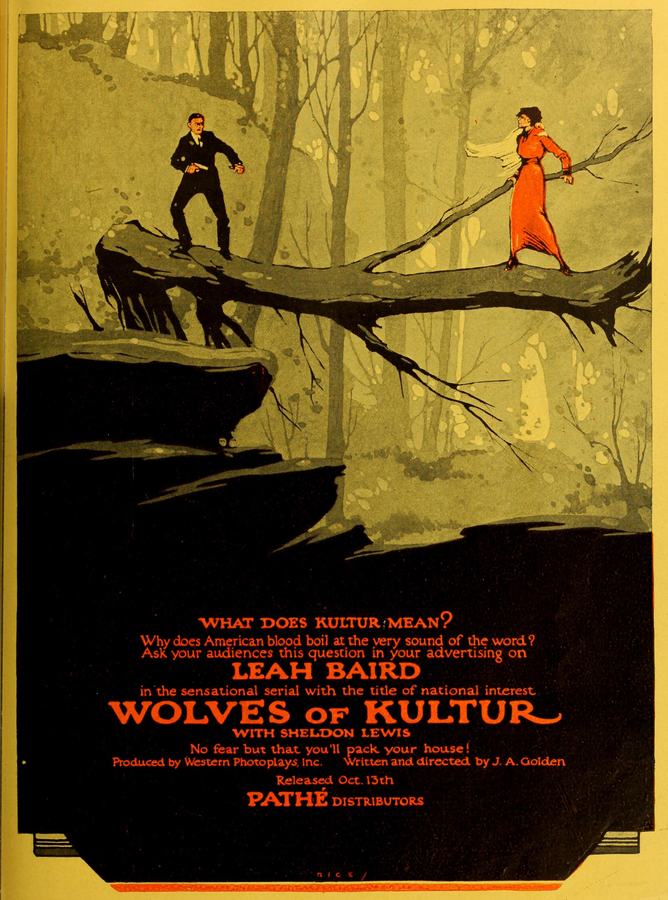
Wolves of Kultur is rich with thematic undercurrents that resonate beyond its immediate plot. The central theme of technological innovation, and its dual capacity for good and evil, is particularly salient. Professor Grayson's torpedo, a symbol of human ingenuity, quickly becomes an object of intense geopolitical contention, reflecting a societal anxiety about scientific advancement outpacing ethical frameworks. This was a period when new inventions were emerging at an astonishing rate, transforming daily life and global power dynamics, making such a narrative highly topical and resonant for contemporary audiences. Patriotism also emerges as a powerful driving force, particularly in Alice and Bob's relentless pursuit to prevent the torpedoes from falling into 'enemy hands' and being used against 'American ships.' This overt appeal to national pride was a common feature of cinema during and immediately after World War I, reflecting a collective desire for unity and protection against external threats. The film taps into a primal fear of unseen enemies and the insidious nature of internal betrayal, presenting a stark warning about the 'wolves' within society who would undermine national security for personal gain. This element of betrayal and high-stakes criminal enterprise can be seen in other films dealing with societal corruption and greed, such as Graft, though Wolves of Kultur frames it within a more overtly nationalistic context.
Viewing Wolves of Kultur today offers a fascinating window into the evolution of cinematic storytelling. It showcases the foundational elements of the spy thriller genre: the brilliant inventor, the stolen plans, the race against time, the plucky hero and heroine, and the nefarious villains. While the conventions might seem quaint by modern standards, their effectiveness in eliciting suspense and excitement is undeniable. The clarity of its moral universe, where heroism is unambiguous and villainy is stark, provides a comforting narrative framework, even amidst the thrilling chaos. The film’s structure, with its escalating stakes and dramatic reversals, is a precursor to the episodic narratives that would dominate serials for decades to come. It’s a reminder that even in its infancy, cinema was capable of crafting complex, emotionally resonant narratives that spoke to the anxieties and aspirations of its audience. The sheer ambition of films like this, to tell a story of global consequence with limited technological means, is truly commendable. It's a far cry from the slapstick of Keystone Comedies, demonstrating the breadth of early filmmaking.
Despite its age, Wolves of Kultur retains a certain captivating energy. It's a film that, while firmly rooted in its historical context, touches upon universal themes of loyalty, betrayal, courage, and the moral responsibilities that accompany scientific discovery. The performances, particularly from Betty Howe as Alice and Charles Hutchison as Bob, imbue their characters with a relatable humanity that transcends the stylistic conventions of the silent era. Joseph A. Golden’s screenplay, with its intricate plotting and unwavering focus on suspense, proves that compelling narratives are timeless. For enthusiasts of early cinema, and particularly those interested in the genesis of the spy thriller, this film is an indispensable viewing experience. It not only entertains but also provides valuable insight into the cultural and technological concerns of its time, demonstrating how art reflects the anxieties and hopes of a society. Its legacy lies not just in its thrilling plot, but in its contribution to shaping the very grammar of cinematic suspense and adventure, proving that even without sound, a story can roar with a powerful, enduring voice. It stands as a testament to the ingenuity of early filmmakers and their capacity to craft thrilling, thought-provoking entertainment from the simplest of means, laying groundwork for countless thrillers that would follow. The film’s ability to maintain a constant state of urgency and peril, even in its silent form, is a masterclass in visual storytelling and dramatic construction, securing its place as a significant, albeit often overlooked, piece of cinematic history.
IMDb —
1931
Community
Log in to comment.