DbcultAccessing Vault...
7.8/10
Senior Film Conservator
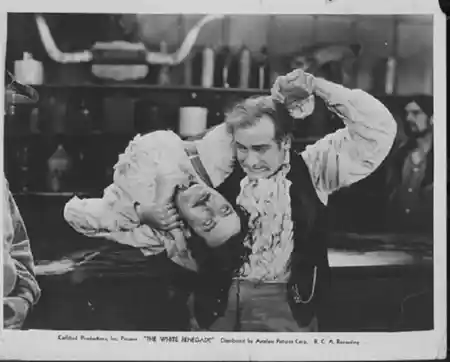
A definitive 7.8/10 rating for a film that redefined the boundaries of cult cinema. White Renegade remains a cornerstone of transgressive art.
So, White Renegade. Is it worth your time today? Hmm. If you're into silent films, especially ones that get a bit melodramatic with some real icky marital dynamics, then yeah, maybe give it a look. If you're looking for something light or even just a well-paced Western, this one might feel like a bit of a slog. Honestly, anyone who gets easily frustrated by characters making truly terrible decisions or just, well, *bad* men, might want to skip it. 😬
This movie, from 1924, is all about Dr. Holt Ezra, played by Philo McCullough, and his wife Hetty (Blanche Mehaffey). They're on this wagon train heading west, which sounds kinda romantic, right? Not so much when Holt is around.
Holt is *intensely* jealous. Like, to an alarming degree. Hetty flirts, sure, but it's more like a subtle glance, a laugh at a joke. Nothing that really warrants the level of outrage he projects.
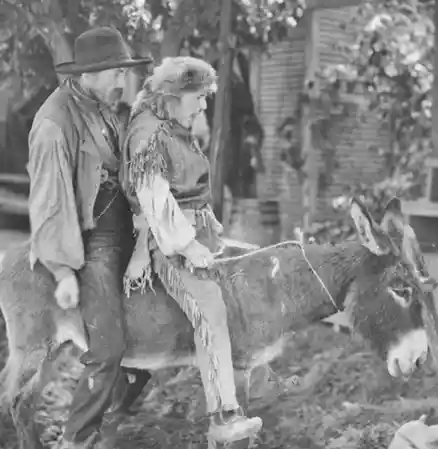
Philo McCullough really leans into the 'brooding husband' thing. You can see him puffing up, his face getting all tight. It's very classic silent film acting, big expressions for big feelings.
One scene, early on, has Hetty laughing with some young fellas by the campfire. Holt just *stomps* over. He doesn't say anything, of course, because silent film. But his whole posture just screams 'mine, back off.' It's a bit much, honestly. 😠
Then he drags her away, practically. He punishes her. The film doesn't show specifics, thankfully, but the implication is clearly that he's locking her up or isolating her. It's unsettling.
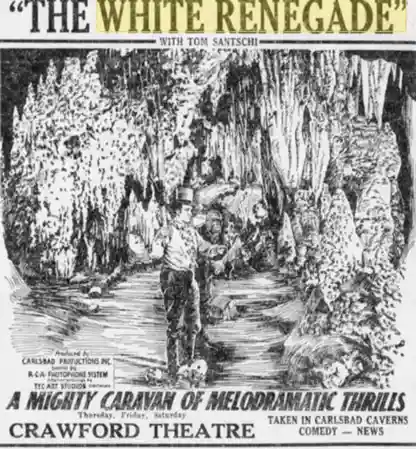
The caravan eventually rolls into this town called Independence. And you just know things are going to boil over here. Small town, fresh faces, and Holt’s temper still on a very short fuse.
Hetty, to her credit, doesn't just fold. Blanche Mehaffey gives her this underlying spark. She's not exactly defiant in a modern sense, but you can see her trying to find some bit of freedom, some little bit of joy. Even when her husband is being, well, *Holt*.
There's this one moment where she catches the eye of a cowboy, maybe Donald Keith's character, or Reed Howes. It's just a fleeting look across a dusty street. But Holt catches it too. And the tension just ratchets up, like you can almost feel the air getting thick.
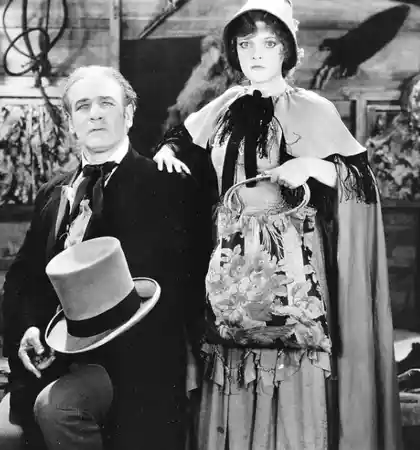
You can tell the movie wants us to feel for Hetty, but also maybe think her flirtatious nature is *part* of the problem. That's a very 1920s take, for sure. It's a reminder of how perspectives have shifted.
The pacing here is... interesting. Some scenes really drag, focusing on the minutiae of the wagon train. Then suddenly, it's a burst of action or drama. Not always smoothly connected. 🤷♀️
Like, you're watching a horse drink water for what feels like a minute, then *bam*, Holt's yelling at Hetty again. It's a bit jarring. The editors probably had their hands full with some of the original footage, maybe.
Tom Santschi is in this too, playing someone probably more honorable than Holt. He has a much more restrained, steady presence. A nice contrast to Holt's theatrics.
There's a scene in the saloon in Independence. Of course there is. And of course, Holt is there, brooding in a corner while Hetty is, gasp, talking to other men. The way the camera cuts between them, it's almost comical how predictable the escalation is.
But then, something genuinely unexpected happens. Or, well, it was unexpected for me. It's not a major plot twist, but a reaction from a minor character that just felt... real. Like someone actually *saw* Holt's behavior and wasn't okay with it. A small nod from a bartender, almost imperceptible.
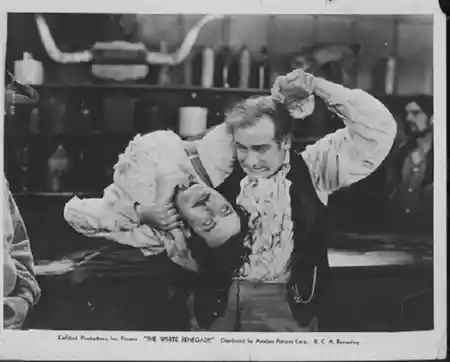
It’s these small, almost overlooked details that make watching these older films kinda fun. You catch a glimpse of something that feels genuinely human, even amidst the over-the-top acting.
The sets are what you'd expect. Dusty towns, open plains. Nothing too flashy, but effective enough. The costumes are period-appropriate, obviously. Everyone looks a bit too clean for a dusty wagon train, but hey, it's Hollywood. ✨
The title card descriptions are pretty direct, no real poetic flourish. Just tells you what's happening or what someone's feeling. Sometimes they feel a little redundant, stating what the actors are already clearly conveying with their faces.
Overall, White Renegade isn't a masterpiece, not by a long shot. But it's a solid example of a certain type of silent era drama. It’s got its rough edges, its moments that feel dated, and a central character you really want to smack. But it keeps your attention if you're patient enough for its rhythms. And maybe you’ll appreciate the subtle performances hiding beneath the broad gestures.
IMDb 6.4
1933
Community
Log in to comment.